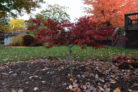
A tree gives your garden its own unique personality and provides a much-needed escape from the sun on those scorching summer days. We’ve rounded up seven of the most popular and beautiful garden trees to help you find your perfect match—plus, we’re sharing our favorite pro tip at the end!
[[pflanzen]]
++Cornelian Cherry (Cornus mas)
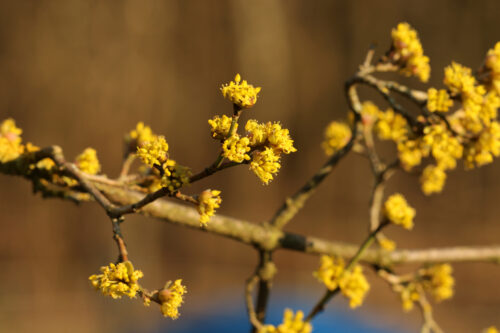
Don’t let the name fool you—this is actually a type of dogwood that can reach up to 25 feet tall. It features glossy leaves with wavy edges that turn a stunning yellow or reddish-orange in the fall. But the real show starts in late February: before the leaves even appear, the Cornelian Cherry bursts into clusters of bright yellow blossoms. By September, it produces red stone fruits that are incredibly sweet once fully ripe. They make for some of the best homemade jam or juice you’ll ever taste!
++Lilac (Syringa)
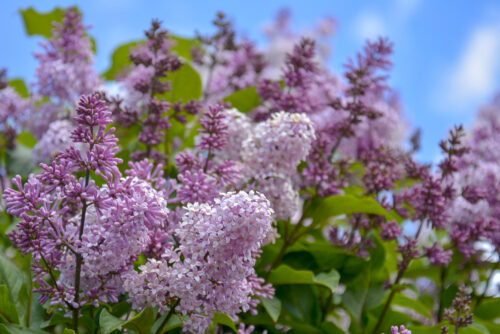
For many gardeners, it isn’t officially spring until the lilacs bloom. Whether they are white, pink, or deep purple, their fragrance is absolutely iconic. These trees are tough, low-maintenance, and no longer just for old-fashioned cottage gardens; newer varieties look amazing in modern landscapes too. Depending on the type, they can grow anywhere from 5 to 23 feet tall. Lilacs love the sun and handle dry heat and urban environments like total pros.
++Maple (Acer)
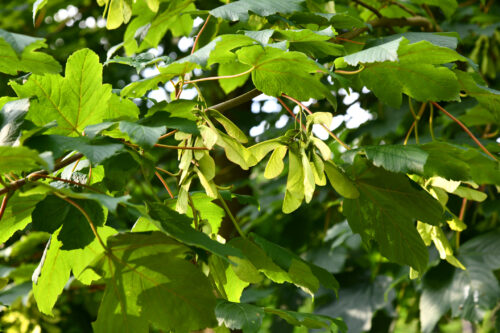
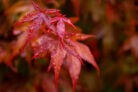
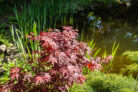
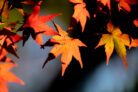
Whether you choose a dwarf variety that stays around 5 feet or a massive shade tree, maples are showstoppers. Their signature lobed leaves turn brilliant shades of gold and red in the autumn. While their spring flowers are subtle, they lead to those classic “helicopter” winged seeds we all loved as kids. Maples are incredibly frost-hardy but also handle summer heat well, making them a great choice for our changing climate.
++Magnolia (Magnolia)
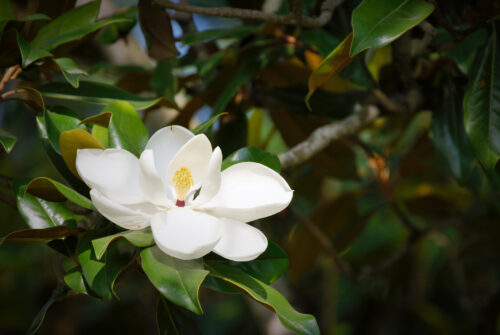
With their massive white, pink, or red blossoms, magnolias are often called the “queens” of ornamental trees—and for good reason! Depending on the species, they can be evergreen or deciduous. The spring-blooming types are especially magical, as the flowers emerge from fuzzy winter buds before the leaves even show up. Their vibrant colors and delicate scent are a magnet for local pollinators.
++Linden (Tilia)
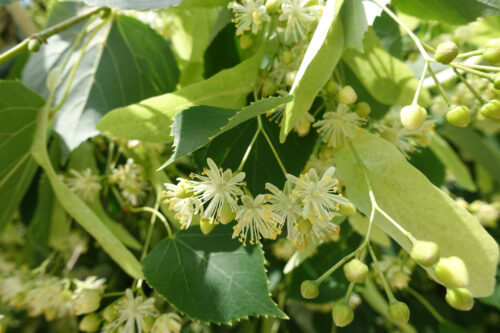
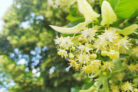
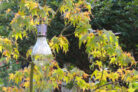
If you have the space, Linden trees (also known as Basswood or Lime trees) are magnificent, reaching heights between 50 and 130 feet. Their wide, sweeping canopies offer the perfect shade for a summer picnic. In June, they produce sweet-smelling flowers that bees absolutely adore. Fun fact: Linden flowers are a traditional remedy for soothing a common cold. Plus, their heart-shaped leaves add a lovely touch of romance to any backyard.
++Yew (Taxus)
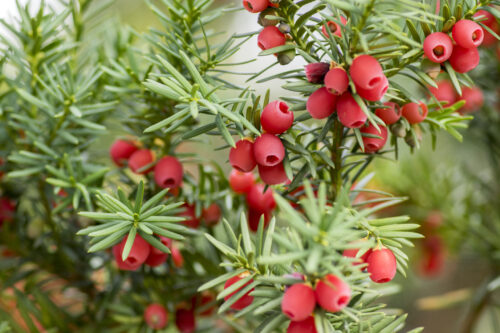
These evergreens are the “old souls” of the garden world and can live for centuries. They come in all shapes—columnar, bushy, or even creeping. Their dark green needles stay lush year-round, and the bright red berries that appear in August add a beautiful pop of color. Yews are super easy-going and grow in almost any soil. Just a heads-up: every part of this tree is toxic, so it’s best to skip this one if you have curious kids or pets playing nearby.
++Serviceberry (Amelanchier)
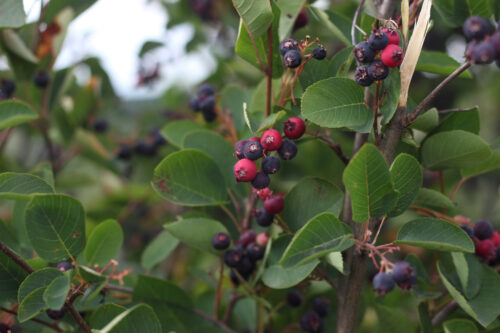
The Serviceberry is hands-down one of the most beautiful choices for a home garden. Some varieties start the season with gorgeous copper-colored new leaves, followed by a massive explosion of white flowers in April. When it’s in full bloom, the tree looks like a fluffy white cloud! By July, you’ll get blue-black berries that are not only edible but delicious—tasting a bit like a mix of blueberry and almond. Eat them fresh or bake them into a pie!
%%Japanese Flowering Cherry (Prunus serrulata)
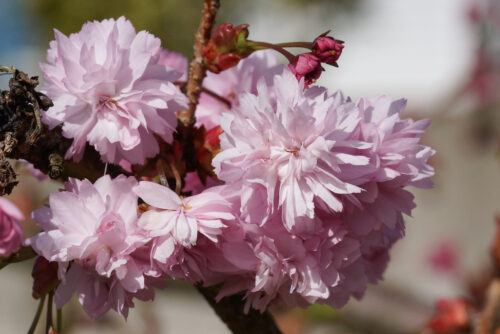
When the pink or white blossoms of the Japanese Flowering Cherry open between March and May, it’s a sight you’ll never forget. Once the “flower storm” is over, the tree fills out with deep green leaves that turn a fiery yellow or orange in the fall. While they are relatively easy to care for, they don’t like to get too thirsty. Make sure to give them a little extra water during those hot, dry summer stretches to keep them happy!