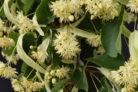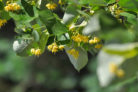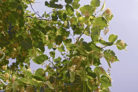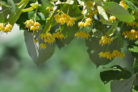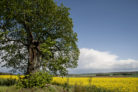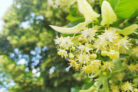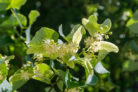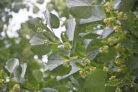
Scientists can’t quite seem to agree on exactly how many species of Linden trees (also known as Basswood or Lime trees) are out there. Some researchers claim there are only about 20 genetically distinct species, while others count up to 40. Here in Central Europe, you’ll mostly run into the Large-leaved Lime, the Small-leaved Lime, and the Silver Lime.
Linden Tree Quick Facts
Name: Linden (Basswood)
Scientific Name: Tilia
Number of Species: Up to 40
Native Range: Central Europe, Central Asia
Bloom Time: May to July
Fruit: Small nutlets
Height: 30 to 100 feet
Width: Up to 50 feet
Lifespan: Up to 800 years
Bark: Gray with long, vertical furrows
Wood: Soft, reddish-yellow hue
Preferred Soil: Chalky, sandy, or loamy soils
Leaves: About 2 inches long, heart-shaped, and pointed
The Best Spot for Your Linden
When it comes to light, Linden trees are happiest in partial shade. They aren’t too picky about soil texture, but they definitely have a “sweet tooth” for lime—high calcium content in the soil is a big plus. One thing to watch out for: they absolutely hate salt. Road salt or heavy synthetic fertilizers can really stress them out.
When Do They Bloom?
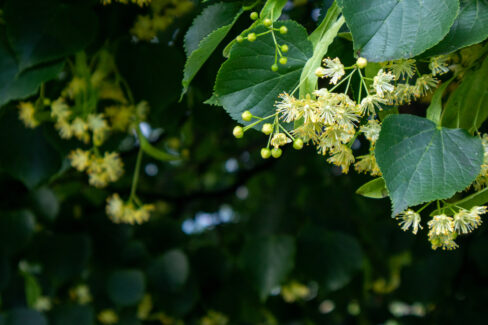
The blooming schedule depends on which species you have in your yard. The Large-leaved Lime kicks things off in early June, followed by the Small-leaved (Winter) Lime in late June. If you have a Silver Lime, you’ll have to wait until July to see those blossoms.
All About the Fruit
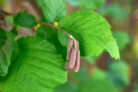
Linden fruits are small, round, nut-like pods that are slightly pentagonal in shape. Technically, they are edible! However, they’re only really worth snacking on if the shells are soft, which is usually the case with the Small-leaved Lime. These pods house the tree’s seeds. Because each fruit is attached to a leafy wing (called a bract), the wind can carry them surprisingly far away from the parent tree.
Leaf Identification
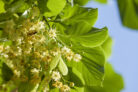
You can usually spot a Linden by its classic heart-shaped leaves. Depending on the specific variety, the size and exact shade of green can vary quite a bit.
How They Multiply
Linden trees don’t just rely on seeds to keep the family line going; they can also reproduce vegetatively. If a tree starts struggling or its nutrient flow is interrupted, it often reacts by sending up “suckers” or new shoots directly from the upper parts of its root system.
Why We Love the Linden
The Linden holds a special place in history and literature. Because these trees grow such massive, wide crowns, they provide incredible shade. That’s why you’ll so often see them planted in front of old inns, lining beautiful avenues, or as centerpieces in public parks. They’ve been famous for centuries—appearing in ancient epics like the *Nibelungenlied* and countless traditional folk songs. There’s just something timeless about sitting under the shade of a Linden tree!