Looking to learn more about the beloved lilac? You’ve come to the right place! I’ve put together a quick guide with everything you need to know about these fragrant beauties at a glance. If you want to dive deeper into a specific topic, just click the links for our detailed articles.
Lilac at a Glance: The Syringa Profile
- Genus: Lilac (Syringa)
- Plant Family: Olive family (Oleaceae)
- Botanical Name: Syringa; the most famous variety is the Common Lilac, *Syringa vulgaris*
- Origin: Asia
- Distribution: Throughout Asia and Europe
- Popular Lilac Varieties: There are about 30 different species recognized worldwide
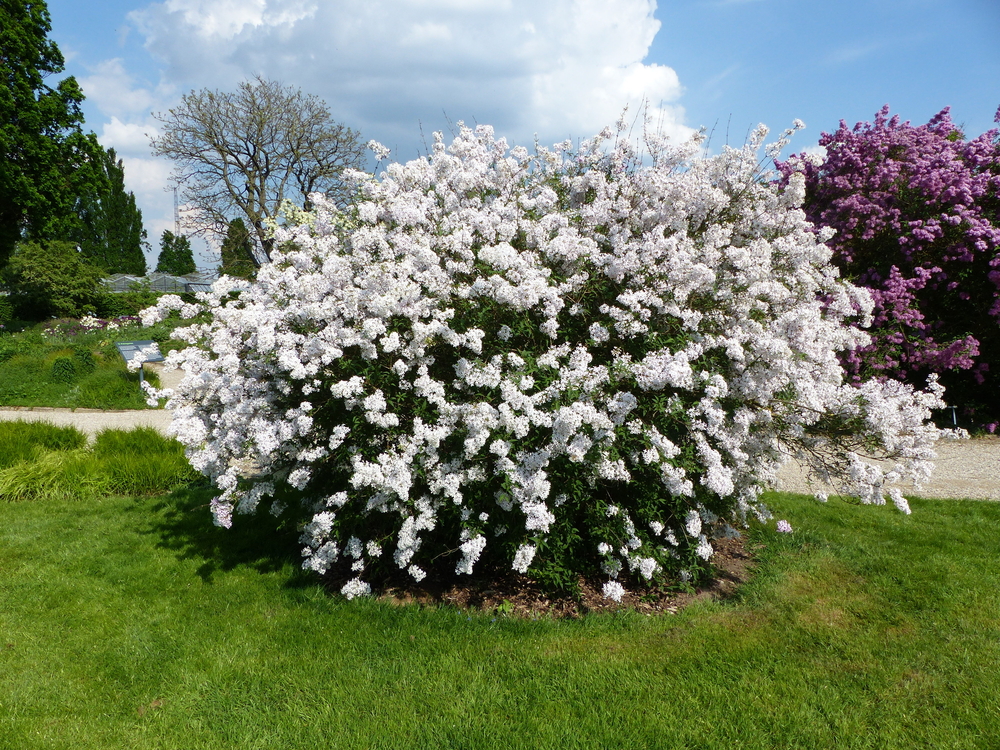
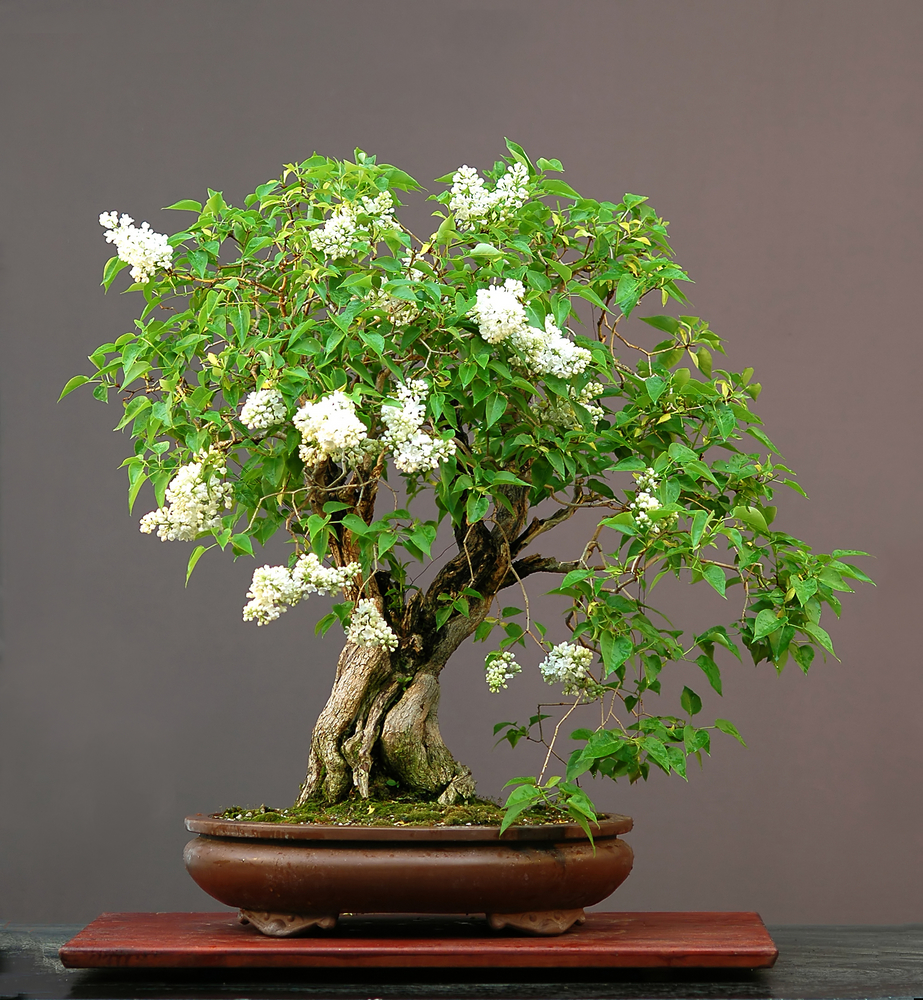
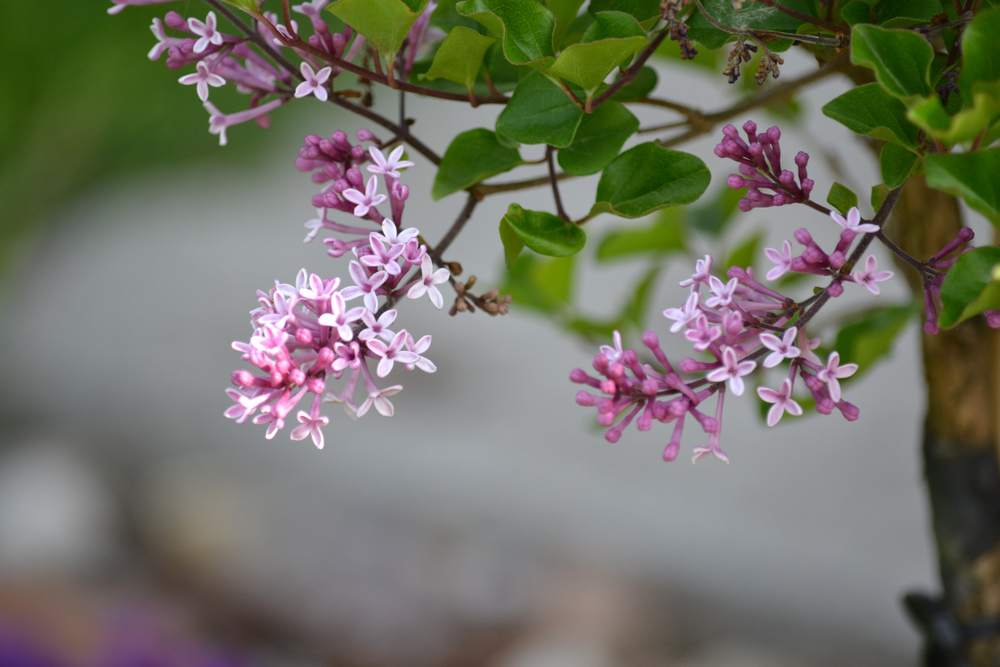
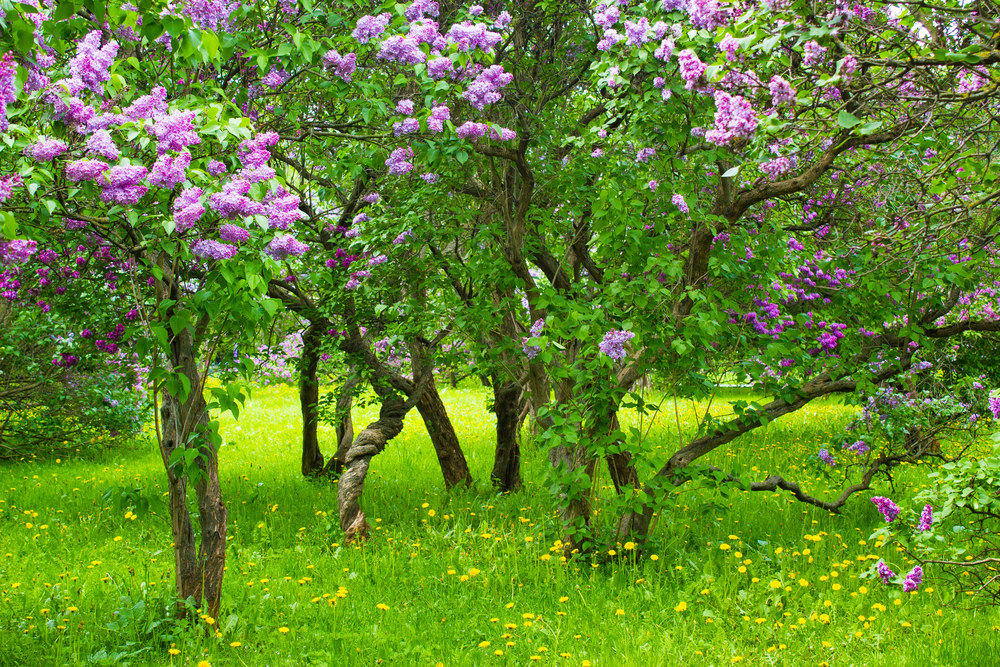
- Growth Habit: Upright; starts as a shrub when young, but older lilacs can grow into small trees. They can also be trained as bonsai or “standards” (tree-form)
- Growth Height: Usually starts at about 6 feet, though dwarf varieties stay much smaller. Depending on the variety, they can reach up to 15 to 20 feet
- Root Suckers: They do produce runners and can be quite invasive if not managed
- Root System: Lilacs are versatile, featuring both deep and shallow roots
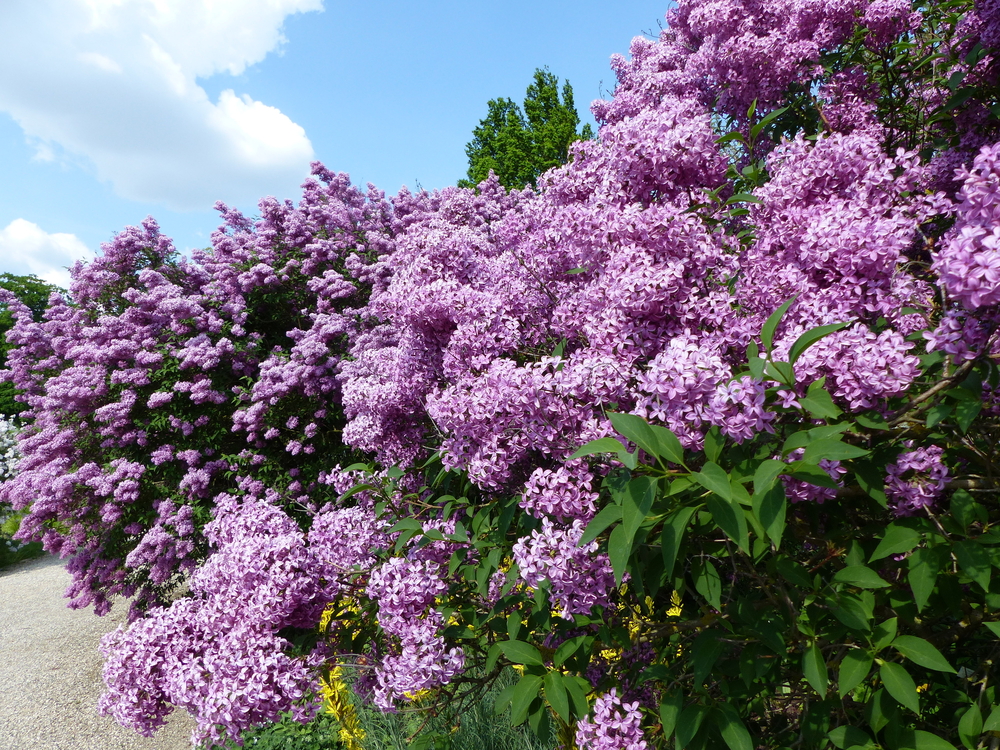
- Blooms: They grow in beautiful clusters called panicles, which can reach up to 12 inches long depending on the variety
- Bloom Time: This varies by type, but the main season is May to June. Some early bloomers start in April, while others can keep going into late summer
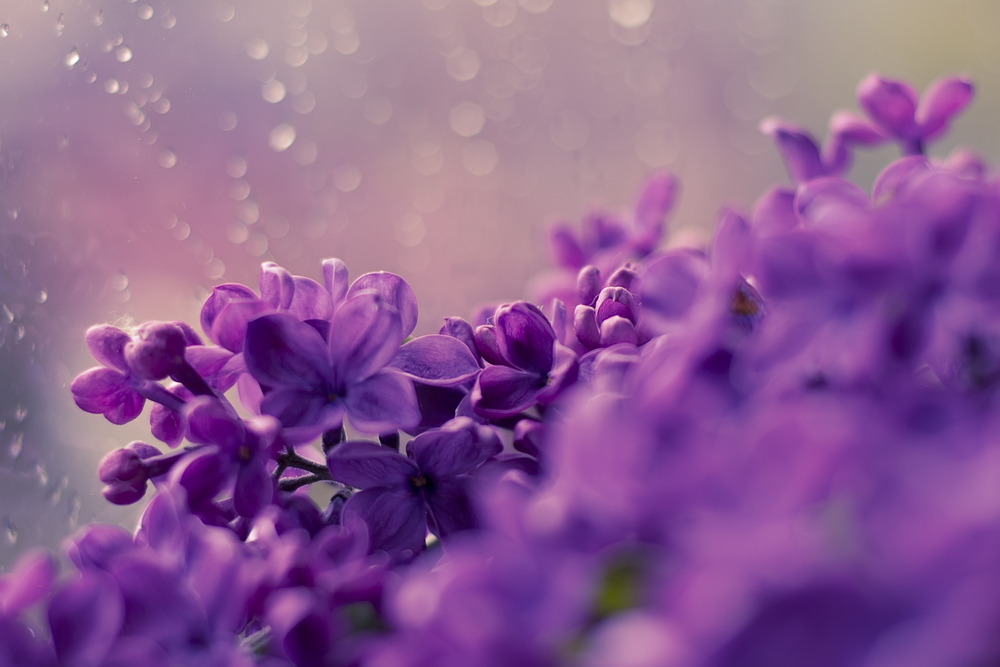
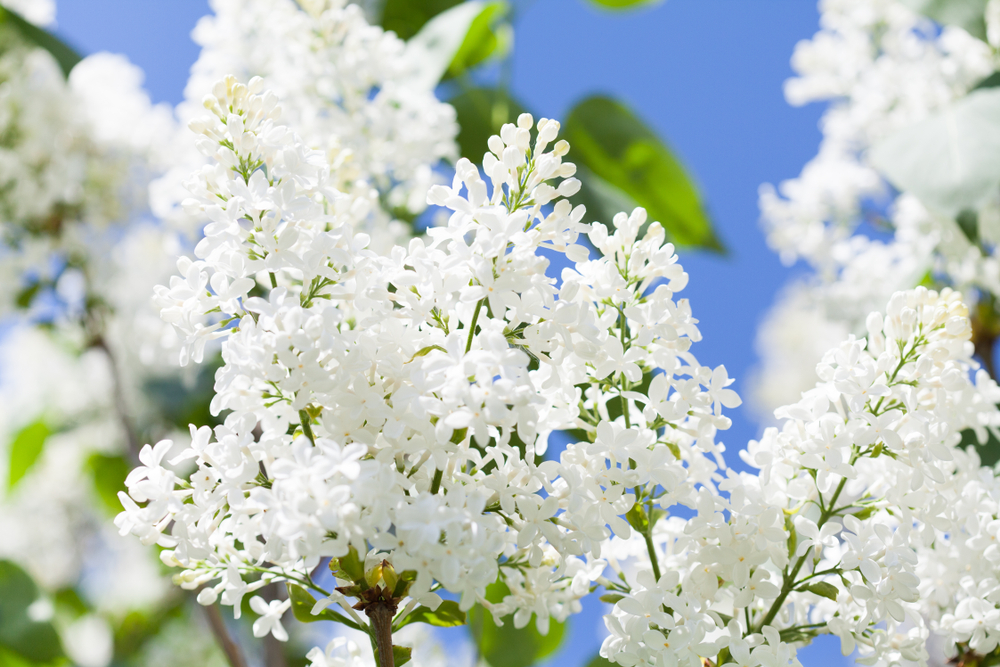
- Flower Colors: Classic lilac shades include white, light pink, violet, and occasionally yellow
- Leaves: Simple, heart-shaped foliage
- Preferred Location: Full sun is best, though they can handle partial shade. They love airy, breezy spots
- Preferred Soil: Sandy, dry, loose, and well-draining soil is ideal
- Lime Tolerance: They handle lime quite well
- pH Value: Neutral to slightly alkaline or slightly acidic
- Humus: They prefer soil rich in organic matter
- Uses: Primarily an ornamental plant for gardens, parks, and landscapes
- Planting Style: Great as a focal point (specimen plant), in groups, or as a hedge. Container growing is also an option for smaller varieties
- Garden Style: Perfect for cottage gardens, farmhouse styles, or traditional country gardens
- Hardiness: Very winter-hardy—though plants in pots need a little extra protection
- Toxicity: Mildly toxic; keep an eye on pets and children
- Edibility: No, no part of the lilac plant is edible
- Forestry Use: Currently not significant for timber or forestry
A Quick Word of Caution: Don’t Get Confused!
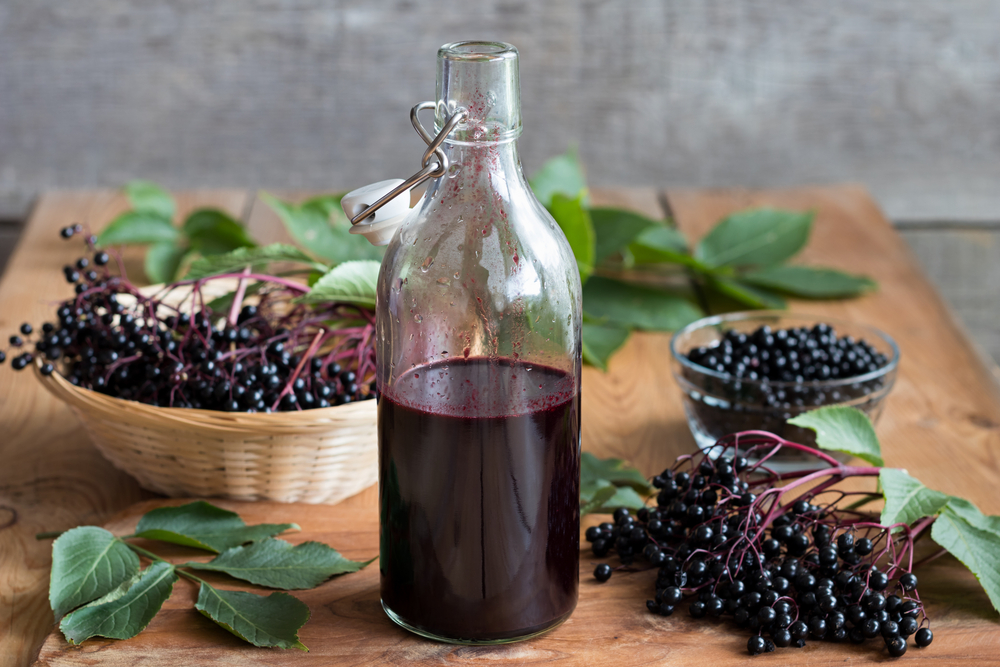
It’s easy to mix up the Lilac (*Syringa*) with the Butterfly Bush (*Buddleja*), but they aren’t actually related, despite the similar look and name. Another common mix-up involves the Black Elderberry (*Sambucus nigra*). You might wonder why I’m mentioning elderberry here—well, in some regions (especially in Northern Europe), elderberry is actually referred to as “lilac.”
You’ve probably heard of “lilac berry tea” or “lilac flower syrup” and wondered, “Wait, I thought lilacs were toxic?” Here’s the deal: those treats are actually made from Black Elderberry, which is perfectly safe to eat when prepared correctly. So, please don’t go picking actual lilac flowers to brew a tea! Any “lilac tea” you see in a store is definitely elderberry. Just a reminder: not only are lilac flowers toxic, but the berries, leaves, and bark are as well.