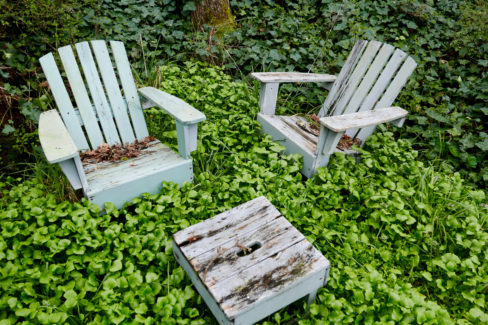
Most of us bring English ivy into our gardens on purpose—after all, it’s hard to find another plant that stays so lush, green, and dense all year round. But the moment it starts conquering parts of the yard where it wasn’t invited, it officially crosses the line into weed territory. And let me tell you, getting rid of it takes some serious elbow grease!
How Ivy Turns Into a Garden Bully
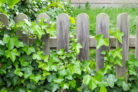
Ivy is a master of expansion. It sends out long runners that grow roots the second they touch the soil. Before you know it, those spots turn into brand-new offshoots. This is especially risky if you’re using it as a groundcover. Because of its lightning-fast growth, it easily outcompetes other plants or shades them out until they eventually give up the ghost. Even ivy growing up a wall can spread out at the base if you aren’t keeping it in check with regular trims.
Prevention is the Best Medicine
The trick is to pick the right spot for your ivy from the get-go—somewhere it has room to roam within reason. Shady spots that other plants usually snub are ideal. There, it can cover the bare ground beautifully without feeling like an invader. Just make sure to give it plenty of space from trees and walls when planting, as it loves to climb anything in its path.
Beyond that, don’t be afraid to get those shears out. Ivy is incredibly resilient, so you can prune it several times a year to keep it within its boundaries.
Pro Tip:
If you don’t want your ivy turning into a monster, skip the fertilizer. It needs very few nutrients to thrive, so over-fertilizing will just cause it to grow wild and out of control.
Removing Ivy for Good
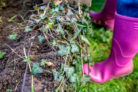
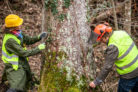
If you’ve decided it’s time for the ivy to go, you have to be meticulous. Even a tiny piece of root or a forgotten runner left on the ground can sprout into a whole new plant. Also, safety first! Ivy is toxic and can irritate the skin, so suit up with gloves, safety glasses, and even a mask if you’re dealing with a lot of dust and debris.
- Wait for a rainy day or soak the ivy and soil with a hose first.
- Cut back all the surface runners.
- Rip out the vines that are anchored by those stubborn aerial roots.
- Pull the main root balls out of the ground.
- Use a spade to dig out any deep roots.
- Turn over the soil and sift through it to catch any remaining root fragments.
A Quick Note:
Chemical weed killers like Roundup aren’t great for killing ivy because they only really affect the leaves. Plus, they contain glyphosate, which many gardeners prefer to avoid. Unfortunately, there really aren’t any “easy” shortcuts or magic remedies against ivy—it’s all about the manual labor.
Proper Disposal is Key
Once you’ve managed to remove the ivy from your flower beds, you need to dispose of it properly right away. If you just toss it on the compost pile, those vines with aerial roots can actually take root again and start the whole cycle over. If the ivy has reached its mature stage, there’s also a risk that the seeds in the berries will sprout. Your best bet is to put it in the trash or take it to a local green waste recycling center.