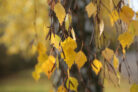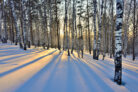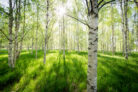
Spring is finally here, and for the birch tree, that means it’s time to kick off a brand-new growing season! It’s honestly amazing to watch how quickly these trees transform their bare branches into a lush canopy of green. But while we’re busy admiring them, there are a few things we can do to make sure our birch trees get the best possible start to the year. Here’s the scoop on what’s happening with your birches right now.
Leaf Out is Picking Up Speed
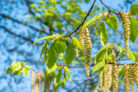
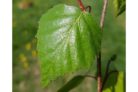
Starting in March, the “naked branch” phase officially comes to an end. Birches are early birds—they tend to leaf out much sooner than many other tree species. While there are about 50 different types of birch trees, their leaves all share a similar look: they’re usually oval or diamond-shaped, pointy at the tip, and have those classic jagged (serrated) edges. Depending on the variety, leaves can grow up to 5.5 inches long, though dwarf shrubs might sport tiny leaves only a quarter-inch wide.
In the spring, look for that gorgeous, delicate light green color. You might notice the buds and young leaves feel a bit sticky—that’s just the tree secreting natural resin.
Pro Tip:
Did you know birch leaves are edible? They’re packed with healthy nutrients that are great for detoxing. If you’re looking for a snack or a tea base, the young leaves and buds are the most tender.
Spring is Bloom Time
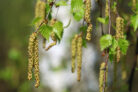
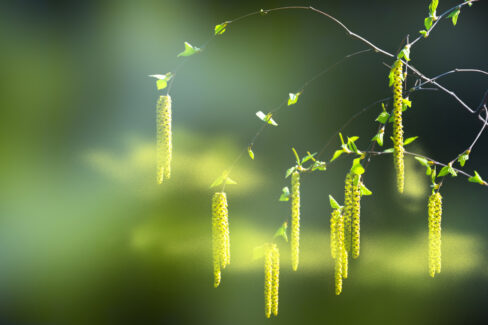
Almost as soon as the leaves appear, the blooming season begins. This usually happens between late March and late May, with the “peak” show hitting around mid-April. Keep in mind that a birch tree won’t start flowering until it’s about five years old. Once it matures, it produces both male and female flowers, which we gardeners call “catkins.”
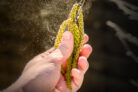
- Male catkins are about 4 inches long, cylindrical, and a bright, bold yellow.
- Female catkins are smaller (about 1 to 1.5 inches), egg-shaped, and start out pale green before turning light brown.
A quick heads-up:
Spring can be a tough time for my friends with allergies! Birch trees release a fine yellow pollen that can trigger some pretty nasty hay fever symptoms.
What Your Birch Needs Right Now
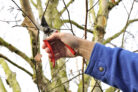
One big rule for spring: Put the shears away! You shouldn’t prune a birch tree in the spring because the sap is flowing so strongly that the tree will “bleed” or drip excessively. Save the heavy pruning for the fall. Instead, focus on these spring chores:
- Keep them hydrated with plenty of water.
- Give them a light feeding with fertilizer if they seem to need a boost.
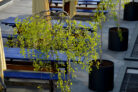
- If you have a potted birch, spring is the perfect time to repot it with fresh soil.
If you’re growing a birch on your balcony or patio, make sure it’s getting plenty of direct sunlight. If it’s stuck in a dark corner, move the pot to a sunnier spot. For trees in the yard, remember to thin out the branches in the fall so that when spring rolls around again, plenty of light can reach the center of the canopy!