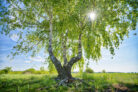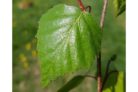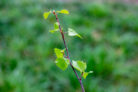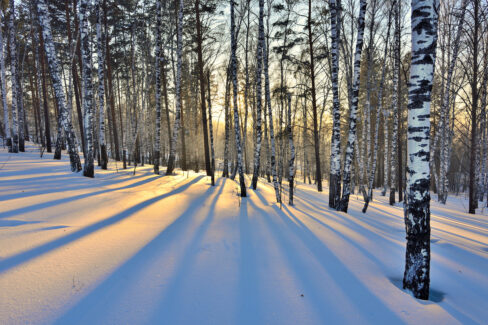
When winter rolls around, the vibrant green landscape usually starts looking a little bleak. But there’s one tree that keeps its magic all season long: the birch. With its iconic white bark and delicate, wispy branches, it looks like something out of a storybook—especially when a fresh layer of snow settles on its limbs. Even without its leaves, the birch is a total winter beauty.
Birch Trees Are Tough as Nails
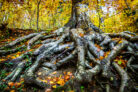
Don’t let those slender branches fool you; the birch is incredibly frost-resistant. Even though its roots sit pretty close to the surface, they aren’t bothered by freezing temperatures, even when the thermometer dips well into the double digits below zero. We’re talking “Siberian-level” hardiness here—down to -45°F! Whether you have a Silver Birch or a Downy Birch in your yard, you can rest easy knowing it’ll make it through the winter just fine without any help from you.
How the Birch Preps for the Cold
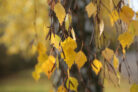
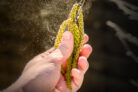
Every birch tree in the fall works overtime to get ready for the big chill. It drops its leaves and actually starts forming the catkins for next year’s male flowers ahead of time. This head start allows the birch in the spring to kick off new growth the moment the weather warms up. During the winter itself, the tree stays dormant and bare, providing a perfect perch for overwintering birds and a place for snowflakes to pile up.
Winter Care (Or Lack Thereof!)
Birch trees love the sun, so they just have to make do with the gloomy light of winter. As a gardener, there isn’t much you can do about the weather, but there are a few things you should definitely *avoid* doing during the off-season:
- Don’t prune.
- Don’t fertilize.
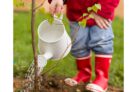
- Don’t water trees planted in the ground.
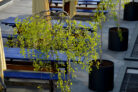
- If you have a birch in a pot, give it a little water only if it’s in a spot where it doesn’t get any rain or snow.
When it comes to pruning, many of us get the itch to grab the shears early in the year. Resist the urge! Fall is actually the best time to trim a birch. If you cut it too late in the winter or early spring, the birch will “bleed” sap excessively, which isn’t great for the tree.
Quick Tip:
In the spring, try harvesting some fresh buds or young leaves to dry out. Then, when winter comes back around, you can brew yourself a healthy cup of tea, curl up by the window, and admire the rugged beauty of your birch tree from the warmth of your home.