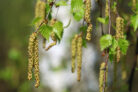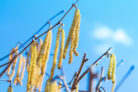
There’s no denying that birch trees are stunning, especially with those delicate, airy crowns. In the spring, they get covered in those iconic drooping catkins. But while some of us see a beautiful sign of spring, others see nothing but “yellow dust” and a looming nightmare for their seasonal allergies.
First blooms after five years
A young birch sapling has a lot of work to do first—it needs to establish a strong root system and build up its crown. It usually takes about five years before the tree is ready to put its energy into flowering. From that point on, it’ll bloom every single year, often until it’s well over a hundred years old.
When do they bloom?
A birch tree in the spring is a classic sight because that’s exactly when the flowering magic happens. While different species might vary slightly, and the weather can shift things by a few days, here’s the general timeline for birch pollen season:
- Early bloom: Late March to mid-April
- Peak season: Mid-April
- Late bloom: Mid-April through late May or early June
What do birch flowers look like?
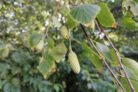
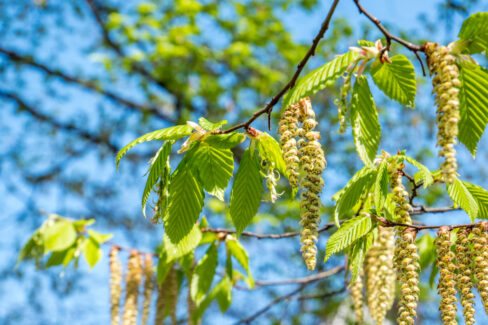
Birch trees are “monoecious,” which is just a fancy botanical way of saying that both male and female flowers grow on the same tree. They aren’t super flashy, but if you look closely, you can definitely tell them apart.
- The flowers grow in clusters called catkins.
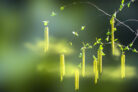
- Male catkins hang in groups at the tips of the branches.
- They are bright yellow, cylindrical, and can get up to 4 inches long.
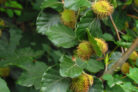
- Female catkins usually sit below the male ones.
- They typically stand upright and grow solo.
- They are egg-shaped to cylindrical and much smaller (about 1 to 1.5 inches).
- They start out pale yellow-green in spring and turn light brown by late summer.
Quick note:
The male catkins actually start forming in the fall of the previous year, while the female flowers stay tucked away in their buds until the leaves start to emerge in spring.
The “yellow dust” dilemma
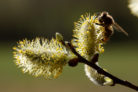
Birches rely on the wind for pollination, which means they produce a massive amount of pollen. This fine yellow dust can get everywhere. It coats the ground under the tree, covers your garden paths, and turns nearby parked cars bright yellow. It even finds its way through open windows! It can be a bit of a headache for homeowners, and let’s just say the neighbors might not be thrilled about it either.
Pro Tip:
If you’re still dreaming of planting a birch in your yard despite the pollen, just make sure to give it plenty of space. Since they have shallow roots, keep them a good distance away from property lines, walkways, buildings, and other shallow-rooted plants.
The struggle for allergy sufferers
For folks with hay fever, birch season is the toughest time of year. Birch pollen is a high-level allergen, and the symptoms can feel as bad as a nasty flu. It used to be that we’d get a “heavy” pollen year every other year, but lately, it seems like every spring is a big one for birch allergies.