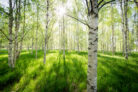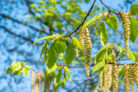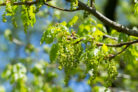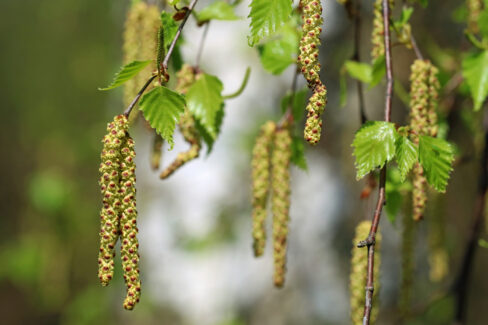
When it comes to spring blooms, the birch tree definitely knows how to make an entrance. Unlike some other trees that keep things subtle, birches show off long, colorful catkins that really pop against their fresh green leaves. But while some of us love getting a close-up look at that gorgeous canopy, others—especially those with seasonal allergies—might find themselves cursing every single blossom.
Patience is a Virtue: When Do Birches Start Blooming?
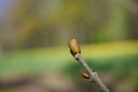
Before we dive into the details of the flowers, it’s worth noting that birch trees aren’t early bloomers in the developmental sense. A young sapling needs time to establish its root system and build up some strength first. You’ll need a little patience here; it usually takes about five years before you’ll spot the first buds.
Interestingly, birches are “monoecious” (a fancy botanical term for “one house”). This means a single tree hosts both male and female flowers separately on the same branch.
The Birch in Spring: Peak Bloom Season
Spring is when the magic happens. Across more than 50 different species, the flowering schedule is pretty consistent. It all kicks off with a “pre-bloom” in late March, leading into the main event in mid-April. By the time the “post-bloom” phase wraps up in early June, the show is over. But while it lasts, a birch in full bloom is a total showstopper.
Spotting the Difference: Male vs. Female Catkins
The flowers grow in clusters called catkins. If you look closely, it’s actually pretty easy to tell the boys from the girls:
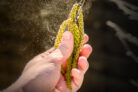
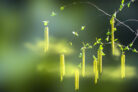
- Male flowers hang out in groups at the tips of older branches. They are long, cylindrical (about 4 inches), and range from bright yellow to orange.
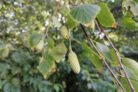
- Female flowers sit on the tips of this year’s new growth. They usually hang out just below the male flowers, standing upright and solo. They’re much smaller (about 1 to 1.5 inches) and egg-shaped. They start out a pale lime green and turn light brown by late summer.
The Not-So-Fun Part: Pollen
Birch trees rely almost entirely on the wind for pollination. To make sure the job gets done, the male flowers pump out a massive amount of fine pollen. You can’t miss it—it settles over sidewalks, garden plants, and parked cars like a thick yellow blanket. While some people just see a messy car, for allergy sufferers, this pollen can trigger some pretty rough flu-like symptoms.
Pro Tip:
By the time the birch reaches autumn, the flowers are long gone, but the tree is still a beauty. Keep an eye out for the winged nutlets called samaras. These tiny seeds catch the breeze and fly off to find a new spot to grow, acting as “pioneer trees” that are often the first to colonize open spaces.