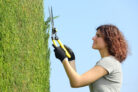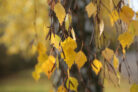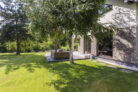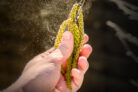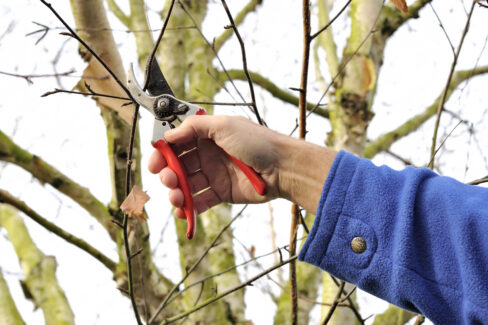
Birch trees are pretty low-maintenance, and most homeowners are thrilled to hear they generally don’t need pruning. Let’s be honest—hauling out the ladder and shears is usually a time-consuming chore nobody looks forward to. However, if your birch is feeling a bit cramped or the inner canopy isn’t getting enough sunlight, you might eventually have to step in with some strategic cuts.
Heads Up: Birches are “Bleeders!”
When you cut a birch branch, the tree starts to “bleed” sap from the wound. While many trees do this to some extent, birches are notorious overachievers in this department. They are what we call “poor compartmentalizers,” meaning they struggle to seal off wounds quickly. The sap can drip so heavily and for so long that you might worry the tree is literally draining its life force away. While experts are still debating exactly how much damage this sap loss causes, the golden rule is: only prune a birch if it’s absolutely necessary.
The Best Time to Prune
To keep your birch from bleeding out, never—and I mean *never*—prune it in the spring. That’s when the tree is pushing all its energy into new leaves and flowers, so the sap pressure is at its peak. The best time of year to prune a birch is in the fall. This is when the tree is settling down for dormancy and the sap pressure drops significantly. Just a fair warning: even in the fall, you’ll likely still see a little bit of dripping.
If your birch is suffering from a serious disease like anthracnose, you can’t afford to wait until autumn. In that case, you’ve got to act fast and cut away the affected branches immediately to give the tree a fighting chance.
Pro Tip:
If you absolutely can’t wait until fall to prune, it’s a good idea to call in a professional arborist. They have the experience to minimize sap loss and keep the tree as healthy as possible.
Thinning Out the Canopy
Birch trees crave sunlight more than almost any other tree. Even if it’s in a perfect spot, a birch can actually shade itself out if the branches grow too thick. If light isn’t reaching the center of the crown, you’ll need to clear a path. In home gardens, people often try to just trim back small side branches. But birches are incredibly vigorous and famous for their fast growth. They’ll just sprout right back, closing those air gaps before you know it. You’ll end up in a never-ending cycle of pruning, which isn’t great for you or the tree. Try to avoid this “haircut” approach if you can.
Reducing the Crown Size
Constant light pruning is also a bad idea because it causes ugly “knobs” or calluses to form at the cut sites. Plus, losing too many leaves weakens the remaining branches and, eventually, the whole tree. A better strategy is to reduce the overall size of the crown with a few targeted, major cuts. Aim to keep the tree’s natural shape as much as possible by following these tips:
- Leave the main leader (the central trunk) alone; birches hate having their tops cut off.
- Look for “double” branches (where two are growing right next to each other) and pick one to go.
- Don’t just “tip” or shorten the branches!
- Instead, remove the entire outer branch back to a fork.
- On the outer edges of the tree, always remove the thicker branch.
- Leave the thinner branch to continue growing.
- Only keep thick branches if they are close to the main trunk.