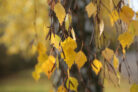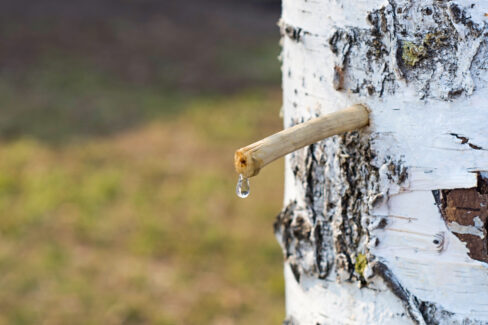
It can be a pretty startling sight to see a birch tree literally dripping. Some homeowners even start to panic, worrying that their tree is on its last legs. Is it going to lose every last drop of sap until it withers away? Let’s dive into what’s actually going on when a birch starts “bleeding.”
Do Birch Trees Really Bleed?
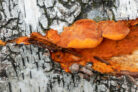
Technically, birch trees don’t have blood, but the term “bleeding” has stuck around because it’s easy to say and describes the scene perfectly. Sometimes, that dripping sap even takes on a reddish tint. Don’t worry—it’s not blood! That color usually comes from metabolic byproducts of bacteria, fungi, or viruses that are attracted to the birch’s sugary sap.
Why Is My Birch Tree Dripping?
A birch tree drips when its “skin” (the bark or wood) is injured. In the wild, most trees are experts at sealing off wounds quickly. However, birches are notoriously bad at “compartmentalizing,” meaning they can’t close up an open wound fast enough to stop the flow. There are a few common reasons your birch might have an open wound:
- The tree was pruned, perhaps at the wrong time or a bit too aggressively.
- Branches or twigs were snapped off by high winds.
- Frost damage following a particularly brutal winter.
- Damage caused by pests like beetles or infections from viruses.
Is the Dripping Harmful or Helpful?
The jury is still out on this one, and even the experts don’t always agree. On one hand, some believe the outflowing sap helps flush the wound and prevents harmful germs from getting inside. On the other hand, losing gallons of nutrient-rich sap can be a major drain on the tree’s energy. What we do know is this: even when a birch loses a shocking amount of sap, the tree almost always finds a way to pull through.
How Can You Stop the Bleeding?
Unfortunately, there’s no “magic bandage” to stop a tree from leaking sap. In fact, the old-school method of using wound sealants or “tree paint” is falling out of favor with modern arborists. The best strategy is prevention: try to prune your birch as little as possible. If you absolutely need to thin out the canopy or you’re trying to keep your birch small, grab your shears on a frost-free day in late autumn. At that point, the tree is dormant. In the spring, the sap is under high pressure as it moves nutrients to create new leaves and prepare for the blooming season, making it the worst time to cut.
Pro Tip:
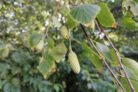
A birch tree in the spring is actually a bit of a superfood goldmine. The edible buds and young leaves are packed with nutrients that are great for your skin and kidneys. You can brew them into a tea or toss them into your morning green smoothie for a healthy boost!