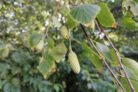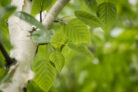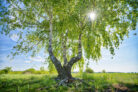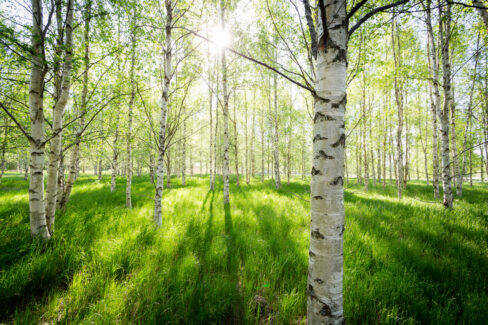
With those iconic white trunks, birch trees really stand out from the crowd. They look so delicate, graceful, and almost fragile against the landscape. But once you get to know these beauties, you’ll discover they’re way tougher than they look! Let’s dive into what makes these trees so special.
The Quick Stats
- Scientific Name: Betula
- Species: Around 50
- Family: Betulaceae (Birch family)
- Growth Habit: Deciduous tree; can have a single trunk or multiple stems
- Height: Up to 100 feet
- Lifespan: 100 years or more
- Range: Europe, Asia, and North America
- Light: Full sun to light dappled shade
- Soil: Moderately moist, sandy-loam, pH 5 to 8
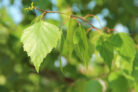
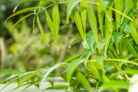
- Leaves: Oval, pointed, and serrated (though this varies by species)
- Blooming: Starts after about five years; happens between late March and early June
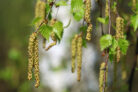
- Catkins: Male catkins are yellow and about 4 inches long; females are 1–2 inches and more subtle
- Fruit: Small winged nutlets, about 1 inch long, yellowish-brown; ripens starting in August
- Bark: Silvery-white with occasional black fissures or “cracks”
Propagation: How They Spread
In the wild, birches are masters of self-seeding. Because their seeds are lightweight and winged, the wind can carry them over huge distances. Since they aren’t picky about soil and germinate quickly, they’re known as “pioneer species”—the very first trees to move in and colonize bare land. If you want one for your yard, you can propagate them from seed or even try growing one from a cutting.
Pro Tip:
In the spring, keep an eye out for tiny saplings popping up near mature birch trees. If the landowner gives you the thumbs up, you can carefully dig one up and plant it in your own garden.
Growing Birch at Home
Birches are super versatile. You can plant them directly in the ground or even keep them in a large pot. If you’re diligent about pruning to keep them small, they can even add some greenery to a balcony. I’m a big fan of the Weeping Birch for smaller spaces—those drooping branches look absolutely enchanting. With the right care, you can even keep a birch as a houseplant or train it into a stunning bonsai.
Pests and Diseases
Generally, birch trees are pretty hardy. They usually bounce back from common issues like rust, mildew, or aphids on their own. If they’re feeling stressed, they might just drop their leaves a little early. However, watch out for Anthracnose; it can be fatal if you don’t prune away the affected areas early on. Also, keep an eye out for fungi. While birches have great symbiotic relationships with some fungi, others—like the Birch Polypore—are parasitic and can rot the tree from the inside out. In a residential garden, a tree with a fungal infestation should be removed before it becomes a falling hazard during a storm.
Fun Birch Facts
- The Paper Birch (White Birch) is one of the most common varieties in North America.
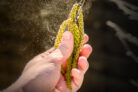
- Heads up, allergy sufferers: that yellow pollen can cause some serious hay fever symptoms.
- Birch trees “bleed” or drip sap heavily if they are pruned or injured during the growing season.
- The buds and young leaves are actually edible (great for smoothies or tea!).
- They contain healthy compounds that support the kidneys and skin.
- Their essential oils are a popular ingredient in natural cosmetics.
- Birches are incredibly cold-hardy and can handle even the harshest winters.