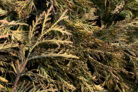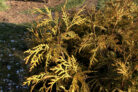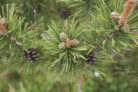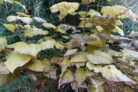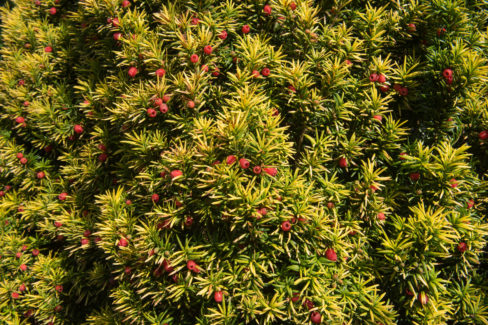
Generally speaking, if you’ve got a yew tree in your yard, you’ve got a real survivor. These trees are incredibly hardy, rarely get sick, and aren’t usually the first choice for fungal infections. So, if you notice those beautiful evergreen needles starting to turn yellow, it’s usually a sign that something else is off. Here’s a look at what might be going on with your yew.
Is your yew in the wrong spot?
Yellow needles are often a “cry for help” regarding the tree’s nutrients or environment. It’s possible the tree was planted in a less-than-ideal location, or maybe something in your yard has changed recently. For younger plants, too much direct sunlight can actually cause sunburn, turning the needles yellow or brown. Interestingly, this can even happen during a particularly sunny winter!
Other environmental factors can play a role, too. For instance, yews really hate “wet feet”—meaning standing water or waterlogged soil. You want to make sure the soil around the yew’s roots is well-draining so water can flow away easily. If you’re worried your soil is too heavy or compacted, adding a drainage layer can go a long way in fixing the problem.
Could pests be the culprit?
While healthy yews aren’t usually a target, a pest infestation can sometimes be the reason behind those yellowing needles. Scale insects are the usual suspects here. These tiny critters are almost impossible to see with the naked eye, but they leave behind a sticky residue that ants absolutely love. If you see “ant highways” running up and down your tree, you’ve likely got a scale problem.
Here’s how to handle pests on your yew:
- Clear out the ants to disrupt their “farming” of the scale insects.
- Prune away any heavily infested branches.
- For a serious infestation, try releasing parasitic wasps (a gardener’s best friend!).
I’d recommend skipping the chemical pesticides for scale. Their hard shells act like little suits of armor against sprays, and you’d just be introducing harsh chemicals into your garden for nothing. Using parasitic wasps is a much more effective, natural way to let Mother Nature take care of the problem for you.