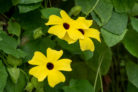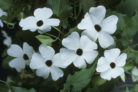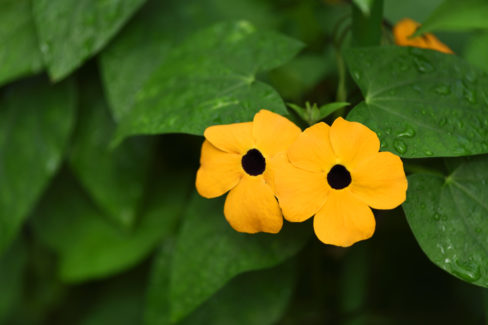
Don’t let the title worry you! Even though the Black-eyed Susan vine hails from sunny Africa, it’s actually a pretty tough cookie once it settles into your garden. Usually, you’ll only see pests or diseases move in if the plant is already feeling a bit stressed out by its environment.
Common Diseases
For the most part, Black-eyed Susan vines are remarkably healthy. However, if they aren’t getting the right TLC, they can fall victim to powdery mildew or root rot—especially when things get cold and soggy.
When you’re out with your watering can, just remember: this plant is an African native. It actually handles a bit of drought much better than “wet feet.” It thrives in well-draining soil that stays moderately moist, but you should always let the top layer of soil dry out before watering again. If you’re growing yours in a pot, a good drainage layer at the bottom is a must. It’s also a great idea to tuck it into a spot that’s protected from heavy rain.
This climber is a total sun-worshipper. If we’re having a particularly chilly summer, try moving your potted plants to the warmest, brightest spot you have. If powdery mildew has already taken over, you can try a few home remedies, but sometimes it’s better to start fresh. You can always collect seeds to propagate new, healthy plants for next season.
Common Pests
You’re more likely to run into spider mites or aphids than disease, especially if you’re keeping your plant indoors for the winter in a room that’s a bit too toasty.
- Give your plant a thorough “physical” before overwintering.
- Check both the tops and the undersides of the leaves.
- Keep a close eye on it throughout the winter months.
- Watch out for yellow leaves dropping off—that’s a classic sign of spider mites.
Since these vines don’t really enjoy being sprayed down with a heavy stream of water, you might need to use an insecticide to clear up an infestation. Just a heads-up: if you go the chemical route, you shouldn’t use this edible plant in your salads or smoothies anymore!
What if it won’t bloom?
If your Black-eyed Susan vine refuses to bloom, your first thought might be that it’s sick. Usually, though, it’s just a location issue. To really show off those flowers, this climber needs at least three hours of direct sun a day, plenty of heat, and a spot sheltered from the wind and rain. Move it to a happier home, and it should bounce back in no time.
Quick Tip:
Keep your vine strong by giving it regular organic fertilizer during the peak growing season. Not only will this result in a massive flush of flowers, but it also builds up the plant’s natural “immune system” against pests and diseases.