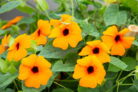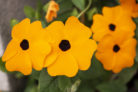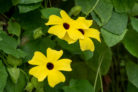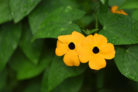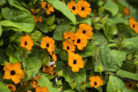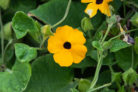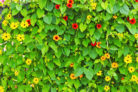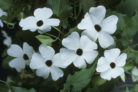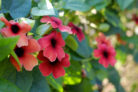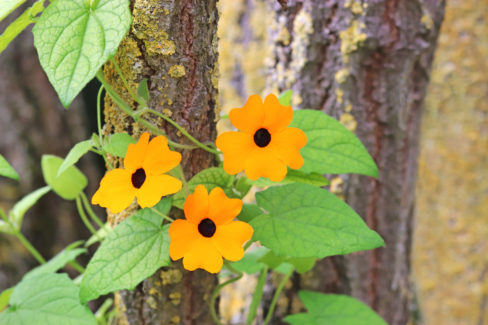
The Black-eyed Susan vine is a total favorite in our gardens, and it’s easy to see why. Those bright yellow and orange blooms are like a little vacation for your eyes! But as much as we love looking at them, a question I get a lot is: can we actually eat them?
Flowers and Leaves: A Tasty Garden Gift
The blossoms of the Black-eyed Susan vine (botanically known as *Thunbergia alata*) might be small—only a couple of inches across—but the plant produces them in absolute abundance. Go ahead and pluck a few! They aren’t just edible; they’re actually delicious. If you’re a fan of the peppery kick of watercress, you’re going to love these. The leaves are edible too and have a similar flavor profile, though let’s be honest, they aren’t quite as pretty on a plate as the flowers.
Harvesting Your Blooms and Greens
You can harvest the leaves and flowers whenever you need them, just make sure to leave enough foliage on the vine so the plant stays healthy and keeps growing strong. The best time to head out with your garden shears is in the morning. Wait until the morning dew has dried off, but before the midday heat hits—that’s when the flavor is at its peak.
Fresh Ideas for the Kitchen
The best way to enjoy Black-eyed Susan vine is raw. This keeps the flavor sharp and ensures those gorgeous flowers don’t lose their “wow” factor. Freshly picked from your balcony, these yellow pops of color can level up any basic green salad. Here are a few of my favorite ways to use them:
- Tossed into floral summer salads
- Finely chopped as a zesty sandwich topping
- As a garnish for both savory dishes and fruit salads
- Floating as a decorative touch in cocktails
Quick Tip:
This plant is also non-toxic for our furry friends! In fact, most pets seem to like it. If you have small pets like hamsters or rabbits, they’ll definitely appreciate a few leaves or flowers as a special treat.
Grow Organic for the Best Flavor
It only takes about 3 to 4 months to go from sowing seeds in the spring to seeing those first blooms. If you’re growing them yourself specifically to eat, you’ll be able to taste the fruits of your labor in the very same season.
To keep things healthy and tasty, stick to organic gardening practices. Use organic fertilizers, as synthetic ones can leave a weird aftertaste. If you run into any pests or diseases, stick to natural remedies. And don’t forget: give your vine a sunny spot, otherwise, it might be shy about blooming!