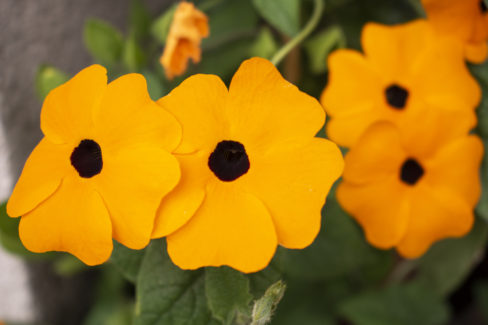
If you have a lush, climbing Black-eyed Susan vine, you won’t even notice if a few cuttings go missing! The great news is that you can easily turn those cuttings into brand-new plants in no time. To give your new plant babies the best start, timing is everything.
The Best Time for Rooting Success
When it comes to propagating Black-eyed Susans from cuttings, you’ve got two main windows: spring and late summer. If you’ve successfully overwintered a plant indoors, you can take cuttings from January to March. This gives you plenty of flowering climbers ready to go for the current season.
Alternatively, you can start taking cuttings again in August. Just keep in mind that these young plants will need to spend the winter indoors before they’re ready to take over your garden next year. Depending on your windowsill space, that might get a little crowded!
How to Take the Perfect Cutting
To ensure success, I always recommend starting with several cuttings at once. These little guys can be a bit finicky—they only root if conditions stay just right, so it’s normal to lose one or two along the way. Here’s how to prep them:
- Use a clean, sharp knife or garden snips.
- Choose mature but still green, flexible shoots.
- Cut pieces about 6 inches (15 cm) long.
- Strip off the bottom leaves, leaving about three pairs of leaves at the top.
Quick Tip:
If you want a ton of plants or want to try out different colors on a budget, starting seeds on a sunny windowsill in the spring is a fantastic option. You can find seeds at just about any garden center.
Step-by-Step Guide
- Grab one large pot or several small ones—just make sure they have drainage holes.
- Mix some seed-starting soil with a bit of sand and fill your pots.
- Gently poke the cuttings into the pre-moistened soil.
- Cover the pot with a clear plastic bag to create a mini-greenhouse.
- Place them in a warm, bright spot (but out of direct, scorching sun).
- Keep the soil moist and lift the plastic cover daily to let in some fresh air.
Potting Up and Moving Outdoors
Once you see new leaves sprouting, you’ll know they’ve successfully rooted! At this point, move the young plants into their own larger pots and give them a trellis or support to climb on. If you plant two or three cuttings together in one pot, you’ll get a much fuller, bushier look. Don’t be afraid to pinch off the tips early on—this encourages the plant to branch out.
Since these climbers are sensitive to frost, wait until mid-May (after the last frost) before moving them to the balcony or garden bed. Gradually acclimate them to a full-sun location. Remember, if your Black-eyed Susan is stuck in a chilly, shady spot, it won’t bloom its heart out like it should!