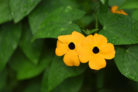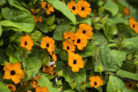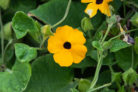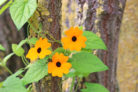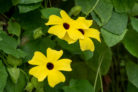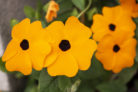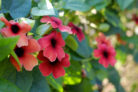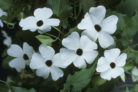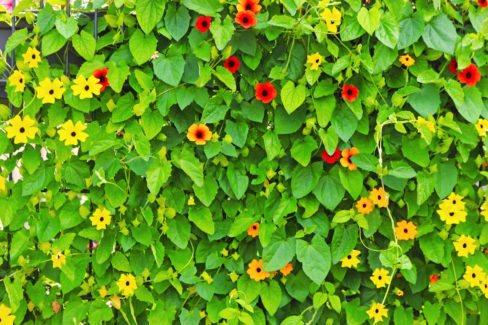
While some varieties of the Black-eyed Susan vine sport gorgeous yellow blooms, that’s the only place you should see that color on a healthy plant. If those lush green leaves start turning yellow, you’ve got a problem. The culprit is tiny, but if you look closely, you can’t miss it!
Annuals usually stay green
The Black-eyed Susan vine (botanically known as *Thunbergia alata*) hails from Africa. Because of its tropical roots, it’s not hardy enough to survive a cold winter outdoors. That’s why most of us here in the States grow it as an annual. Luckily, it grows like crazy, making it super easy to start fresh every spring. Whether you’re sowing store-bought seeds or ones you’ve saved yourself, these plants usually stay vibrant and green throughout their short summer lifespan.
The winter indoor challenge
Once temperatures dip below 50°F, you’ll need to bring your Black-eyed Susan vine indoors to overwinter. Unlike some plants that naturally drop their leaves in the fall, this vine should stay green. If you start seeing yellowing leaves in its winter quarters, you’re likely looking at an eight-legged problem: spider mites!
Dry indoor heating is like a luxury spa for these tiny pests, causing their population to explode. Because they are microscopic, you might not notice them at first—especially since we don’t always keep a close eye on our dormant plants. But by the time you go to water it and notice a yellow tint to the foliage, the infestation is well underway.
Should you fight or let go?
If the infestation is severe, honestly, it’s often not worth the struggle. The best move is to toss the plant immediately so the mites don’t hitch a ride to your other houseplants. However, if you caught it early, you can try these rescue steps:
- Isolate the plant from your other greenery.
- Clean up any fallen leaves (they can harbor mold).
- Give the plant a good “shower” in the sink or tub, but cover the root ball so it doesn’t get waterlogged.
- Use a standard store-bought miticide or insecticidal soap.
- Repeat the treatment as needed.
- Give the plant a hard prune if necessary.
Pro Tip:
Did you know the leaves and flowers of the Black-eyed Susan vine are actually edible? However, once you start using chemicals to fight off pests, you should keep the plant strictly for decoration and keep it out of the kitchen!
Prevention is the best medicine
The best way to handle pests is to stop them before they start. Remember, the Black-eyed Susan vine isn’t really a “houseplant”—it prefers a cool spot to overwinter. Make sure it has plenty of space for air to circulate around it. Before you even bring it inside, give it a thorough pest inspection, and keep checking the tops and bottoms of the leaves throughout the winter.
During the summer growing season, make sure it’s in a sunny spot and gets regular fertilizer. A strong, well-fed plant is much better at fending off diseases and pests on its own!