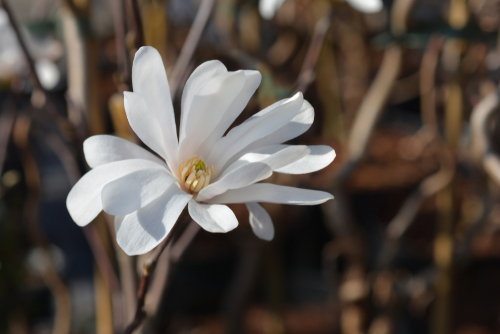
Magnolias aren’t just stunning showstoppers in the garden; they’re actually pretty tough cookies. For the most part, they’re hardy plants that don’t get sick very often. However, even the strongest tree can have a bad day. To keep your magnolia looking its best, you’ll want to keep an eye out for a few specific issues so you can jump in and help early on.
Mildew
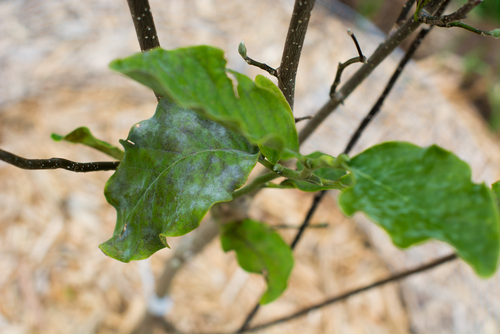
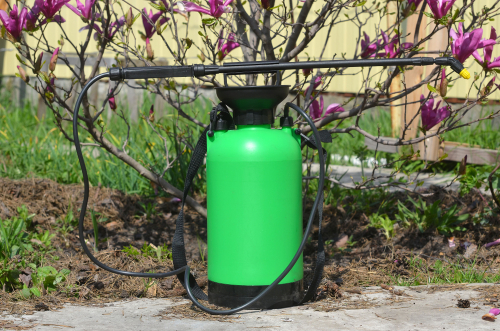
When it comes to mildew, we’re usually looking at two culprits: Powdery Mildew and Downy Mildew. A good rule of thumb is that Powdery Mildew loves dry spells, while Downy Mildew thrives when things get soggy. You can tell them apart by where they hide: Powdery Mildew looks like a white, dusty coating on the tops of the leaves, while Downy Mildew shows up as a grayish-purple fuzzy growth on the undersides. Powdery Mildew is the one to really watch out for, as it can actually kill the whole plant if left unchecked. If you spot it, grab your shears and prune away any affected areas immediately. Following up with a good fungicide spray is also a smart move.
Leaf Spot Disease
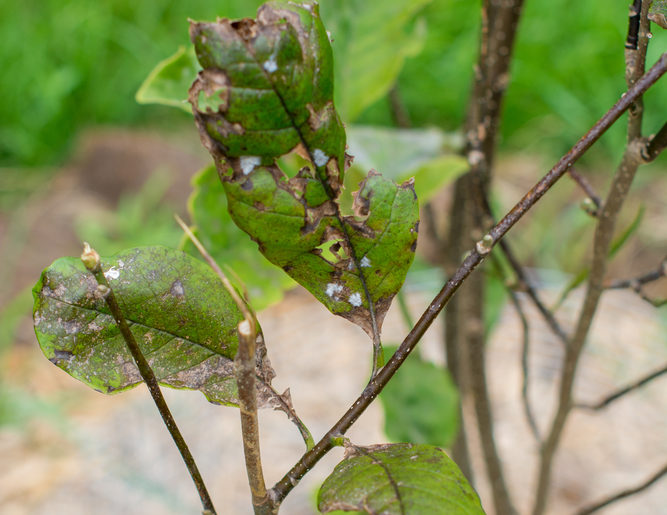
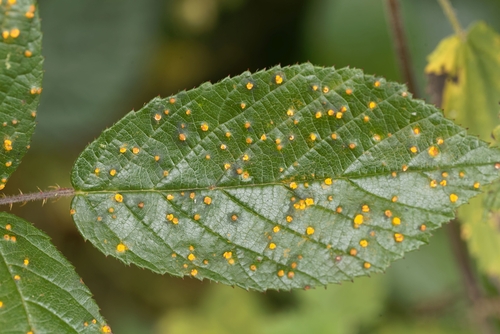
If you start seeing black spots with yellow halos on your leaves, you’re likely dealing with Leaf Spot, caused by Pseudomonas bacteria. These little guys usually hitch a ride onto your tree via splashing rainwater. Eventually, those spots can turn into full-blown holes, and the affected shoots will drop off. The real kicker? These bacteria can overwinter in the stems, making your magnolia much more susceptible to frost damage. To prevent this, try to keep the leaves as dry as possible. Thinning out the canopy helps air circulate and lets the sun dry things off quickly. If your tree is already infected, make sure to prune out and dispose of all the diseased parts.
Pests
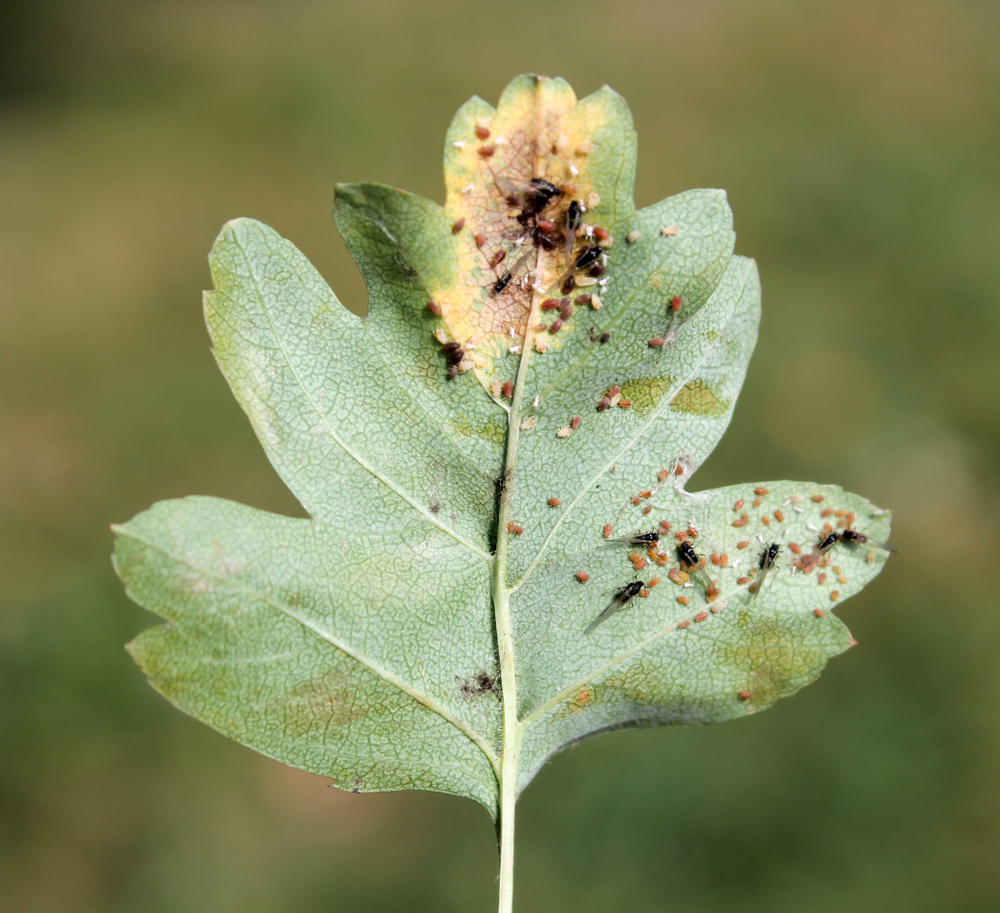
Generally, pests only go after magnolias that are already feeling a bit run down—maybe because they’re getting older or they’re stressed out from being transplanted. The most common uninvited guests are scale insects and whiteflies. Their sticky residue (honeydew) can lead to fungal growth or attract aphids. Down in the dirt, you might also deal with larvae, caterpillars, or even voles nibbling on the roots. Since healthy magnolias usually fend these off just fine, it’s often better to focus on improving the tree’s overall health rather than reaching for heavy chemicals.
To recap, here are the main issues to watch for:
- Powdery and Downy Mildew
- Leaf Spot Disease
- Various garden pests