For the most part, Virginia Creeper is a total rockstar in the garden—it’s super hardy and usually laughs off pests and diseases. But even the toughest vines have their bad days. If your “wild wine” is looking a little under the weather, there are a few usual suspects to look out for. Here’s a quick guide to what might be bugging your plants.
Common Pests and Diseases for Virginia Creeper
While it’s generally low-maintenance, the most common issues you’ll run into are:
- Powdery or Downy Mildew
- Various types of scale or mealybugs
- Verticillium wilt (the one you really need to watch out for)
Dealing with Mildew
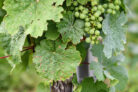
Both powdery and downy mildew show up as fuzzy white or gray patches on the leaves and stems, and they can even spread to the berries. While Virginia Creeper has built up a pretty good natural resistance to mildew over time, you still want to jump on it quickly if you spot it. Snip off any infected parts right away and treat the vine with a fungicide to keep the infection from spreading.
Pest Problems: Scale and Mealybugs
Depending on your plant’s location and how it’s being cared for, you might run into scale insects or mealybugs. You’ll usually spot these little guys by the white, cottony webs they leave behind, mostly on the undersides of the leaves. The good news? You don’t always need harsh chemicals. Simple DIY remedies, like a mix of water and dish soap or a bit of rubbing alcohol, usually do the trick.
The Dreaded Verticillium Wilt
Verticillium wilt is the one disease that really strikes fear into the hearts of gardeners. Like mildew, it’s caused by fungal spores, but these guys are soil-borne. They creep into the vine’s vascular system and basically clog the “pipes,” cutting off the flow of water and nutrients. The result? Leaves and stems start wilting and dying off fast.
If you notice Verticillium wilt, you have to act fast to save the rest of your garden. To stop the fungus from spreading to your other plants, it’s usually best to remove the entire vine—roots and all. Unfortunately, once a plant has this, it rarely recovers, so it’s better to clear it out than to let it linger.
Yellowing Leaves
If your Virginia Creeper starts turning yellow or brown in the middle of summer, it’s usually a sign of stress rather than a disease. Most of the time, it’s because the spot isn’t quite right, or it’s not getting the right balance of water and nutrients. Believe it or not, over-fertilizing is a common culprit for leaf discoloration, so take it easy on the plant food!