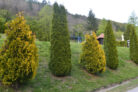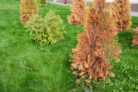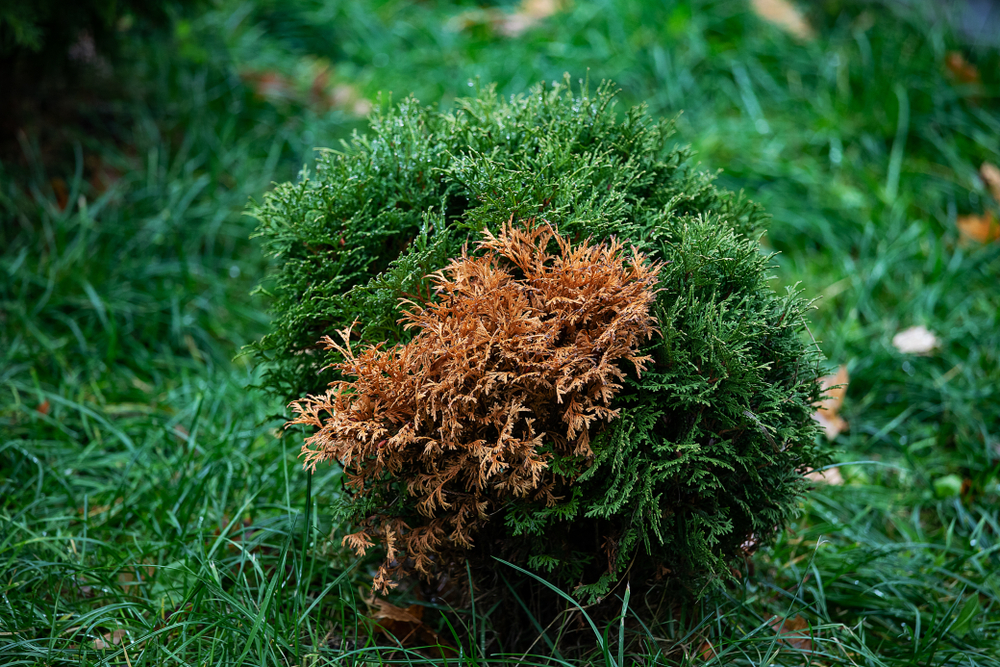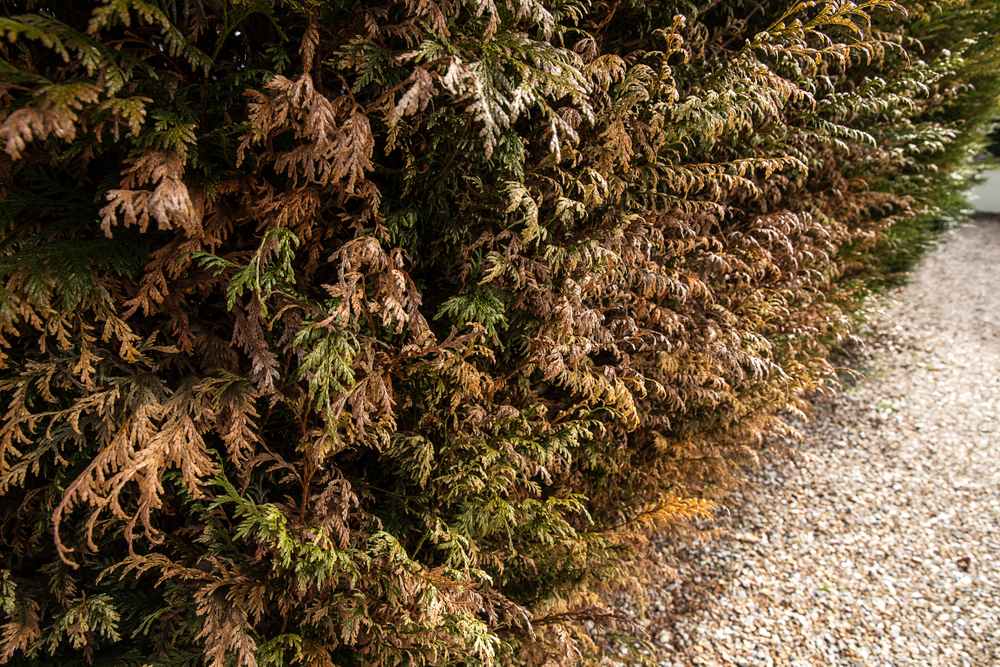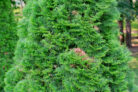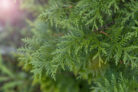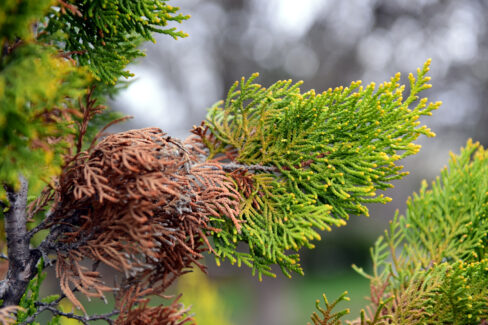
If you’re noticing brown tips on your Arborvitae (Thuja), it’s usually a sign that something is a little off with its care routine. While there are a few other culprits, most of the time it’s an easy fix. Let’s dive into why those needles are turning brown and how you can get your evergreens looking lush and vibrant again.
Why are my Arborvitae tips turning brown?
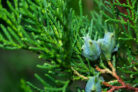
There are several reasons your Thuja might be losing its green glow. In most cases, you’ll want to act quickly to help the tree bounce back. Just a heads-up: brown buds are actually totally normal and aren’t a sign of poor care. However, brown tips are usually caused by:
- New plantings settling in
- Too much direct, intense sun
- Drought stress (lack of water)
- Improper fertilizing
- Pest infestations
- Road salt exposure
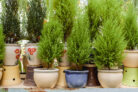
When you first plant a hedge, the tree puts all its energy into establishing a strong root system. This can sometimes cause the needles to brown slightly as the plant prioritizes its roots. If you’re working with rootless cuttings, definitely give them a boost with some organic fertilizer. Choosing the right spot—ideally full sun to partial shade—is also key. Try to avoid planting right next to sidewalks or driveways where road salt is used in the winter, and keep them shielded from harsh, drying winds if possible.
How do I fix brown tips on my Arborvitae?
To treat the problem effectively, you first need to play detective and find the cause. Aside from root rot, it’s actually pretty rare for pests or fungal diseases to be the main reason for brown tips, but it’s always worth a quick double-check.
Young trees and privacy hedges are hungry! They need regular nutrients to stay healthy. I recommend using well-aged compost, cured manure, or a nice layer of organic mulch to feed them naturally. Be careful with synthetic mineral fertilizers; Arborvitae are sensitive, and it’s very easy to accidentally over-fertilize and burn them.
As for the brown tips themselves, you can simply prune them off. Just be careful not to cut back into the “old wood” (the bare branches inside). Thuja won’t grow back from old wood, so keep your trims light. Finally, if you’re in a particularly scorching climate, providing a little shade during the intense midday summer sun can work wonders.