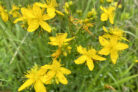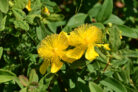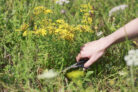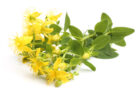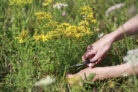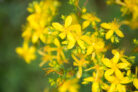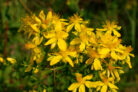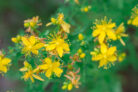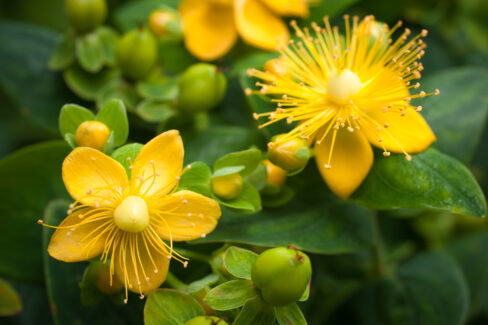
Common St. John’s Wort (*Hypericum perforatum*) is a striking wildflower that always catches your eye with its bright yellow blooms while out on a hike. But most gardeners welcome it into their backyard for its medicinal properties rather than just its good looks. If you’re looking to add this powerhouse herb to your garden, here is how to find the perfect spot so it can reach its full potential.
Find a Sunny, Warm Corner
St. John’s Wort is a total sun-seeker. To get the best results, you’ll want to tuck it into a sunny garden bed. While it can handle a bit of partial shade, it definitely won’t be happy in a dark corner—and a sad plant means fewer flowers for you! You can sow seeds directly into the ground, or if you want a head start, start them indoors and transplant them once they’re about 4 inches tall.
Don’t worry too much about the winter chill; this plant is quite hardy. However, if you live in a region with particularly harsh, biting winters, it’s a good idea to give it a little extra protection (like a layer of mulch) to help it through the frost.
Give It Some Elbow Room
If you’re planning on growing St. John’s Wort for home remedies, you’ll want more than just one plant to ensure you have enough to harvest. Just make sure you aren’t crowding them! Give each plant plenty of space to spread its wings. A good rule of thumb is to space them at least 6 inches apart, though 12 inches is even better if you have the room.
Soil Preferences
While St. John’s Wort is pretty easy-going, it does have a “wish list” for the perfect soil. It’ll be happiest if your dirt is:
- Rich in organic matter (humus) and nutrients
- Consistently dry to slightly moist (but never soggy!)
- Slightly alkaline
- Deep and well-draining (mixing in some sand or gravel helps a lot)
Growing Different Varieties
The *Hypericum* family is actually quite large! While Common St. John’s Wort is the most popular, there are a dozen or so other cousins you might find at the nursery. Most of them like the same conditions, but there are a few “rebels” out there. For example, Canadian St. John’s Wort actually prefers acidic soil, while Marsh St. John’s Wort loves having “wet feet” in swampy areas. Before you dig a hole, just double-check exactly which variety you have so you can give it exactly what it needs.
Quick Tip:
Want to dive deeper into the world of this amazing herb? Check out our St. John’s Wort Fact Sheet for more details.