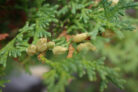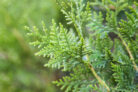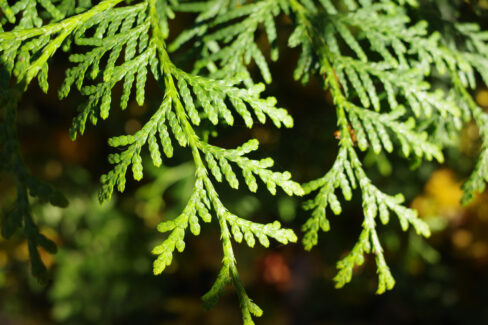
After pruning or removing a hedge, you’re often left with a massive pile of debris to deal with. If you’re wondering whether you can just light a match and be done with it, the answer is: it depends. Even though Thuja (Arborvitae) contains toxic compounds, burning it is generally safe—but the legal side of things can be a bit tricky.
Is it legal to burn Thuja?
In many areas, local ordinances or state laws actually prohibit burning yard waste, and getting caught can lead to some hefty fines. However, many counties or municipalities do offer exceptions or specific permits if you apply in advance. If you live in a big city, though, there’s a good chance backyard burning is banned entirely. Your best bet is to check with your local town hall or fire department to see what the rules are in your neck of the woods. If burning isn’t an option, here are a few great ways to recycle those clippings:
- Add them to your compost pile
- Drop them off at a local yard waste recycling center
- Chop them up to use as mulch for your garden beds
Tips for burning Arborvitae safely
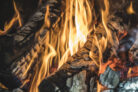
If you do get the green light to burn, keep in mind that Thuja creates a *lot* of smoke, especially if it was recently pruned and is still green. To keep the peace, it’s always a good idea to give your neighbors a heads-up before you start. Most permits will also specify certain “burn days” when the weather conditions are just right.
Safety is key: always use a contained fire pit or a fire-safe surface. Make sure the fire is far away from people, pets, buildings, or other trees. You might be worried about the toxins in the plant, but those are actually contained in the essential oils. These oils burn off completely in the fire, so you don’t have to worry about inhaling anything dangerous.
Can you use Thuja as firewood for your fireplace?
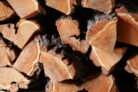
Believe it or not, Thuja wood is actually a favorite for fireplaces and wood-burning stoves! People love it because it releases a wonderful, aromatic scent as it burns. The trick is patience: you’ll need to season the wood for at least two years. This gives the moisture enough time to evaporate so you don’t end up with a house full of smoke instead of a cozy fire.