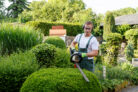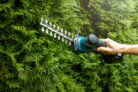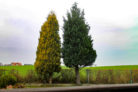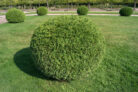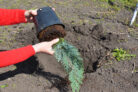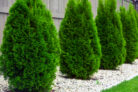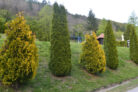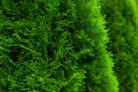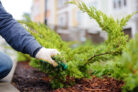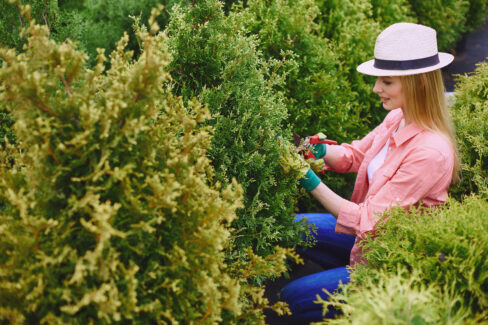
Arborvitae (or “Thuja”) are famous for being tough and easy to prune, and that definitely includes the fan-favorite ‘Smaragd’ (often called Emerald Green). Keeping up with a regular pruning schedule is the secret to keeping these evergreens looking lush, youthful, and perfectly shaped. In this guide, I’ll walk you through exactly how to give your Thuja a professional-looking haircut.
Why should you prune your Emerald Green Arborvitae?
If you want a healthy tree, proper maintenance is key. The ‘Smaragd’ variety is a bit more of a “diva” than other types and needs a little extra TLC. Pruning isn’t just about looks, though; here’s why you shouldn’t skip it:
- It rejuvenates the plant
- It keeps growth under control
- It maintains that beautiful shape
- It helps prevent diseases
- It allows you to remove dried-out or dead branches
When is the best time to prune an Arborvitae?
For basic maintenance, you should start pruning your Emerald Green once a year starting around its third year in the ground. If you’re growing a formal hedge, a second light trim is usually a good idea to keep those lines sharp. Just a heads-up: always check local regulations regarding bird nesting seasons before doing any heavy pruning in the spring or summer!
Generally speaking, the best time for a “major” prune is in February. This is the perfect window to thin out deadwood and fix any messy, overgrown branches. Then, in late June, you can do a quick touch-up trim to keep the silhouette tidy.
Pro tip: Sunlight can actually “burn” the fresh cuts on your tree. Try to wait for a cloudy but dry day. If it’s a scorching summer, you might want to push your pruning back a few weeks. Also, avoid pruning in the rain—wet branches and open cuts are an open invitation for fungal diseases to move in.
How to prune your Thuja Smaragd like a pro
Before you grab the shears, there are a few things to keep in mind. Once you snip the “leader” (the main vertical trunk) of an Emerald Green, the tree will stop growing up and start putting all its energy into growing wider. Don’t top the tree until it has reached your desired height! Also, remember that Arborvitae are toxic and the sap can irritate your skin. Definitely wear long sleeves and sturdy gloves.
The golden rule: Never cut back into the “old wood” (the brown, leafless interior). Arborvitae won’t grow back from old wood, so always make sure you’re leaving some green behind. To avoid any “oops” moments, follow these steps:
- For hedges, aim for a trapezoid shape (wider at the bottom). For a standalone tree, a tapered, tiered look works best.
- Only trim about 2 inches (5 cm) at a time until you hit your target width.
- Give your Thuja Smaragd a good drink of water right after pruning.
- If the trimmings are healthy, shred them and toss them in your compost pile.