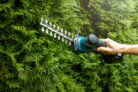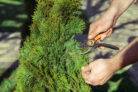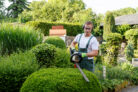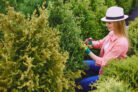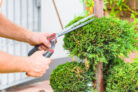
To get a thick, lush Thuja (Arborvitae), you’ll want to stay on top of trimming the tips and the lead shoot. While pruning isn’t strictly mandatory for the tree to survive, your “Tree of Life” will definitely thank you for the rejuvenation with much healthier, denser growth.
Why should you prune your Thuja regularly?
Even though pruning isn’t a survival requirement, it’s the secret to achieving that beautiful, full canopy. Regular maintenance keeps your Arborvitae looking young and vibrant. Plus, these trees don’t handle “hard pruning” very well—they much prefer frequent, light haircuts over one massive chop.
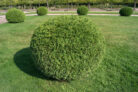
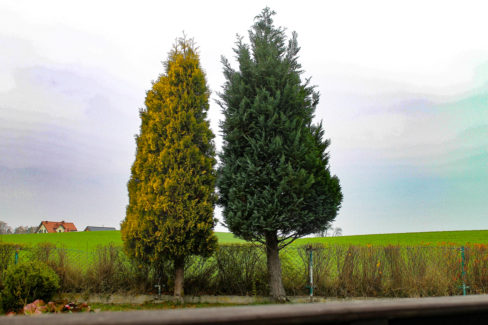
If you have a standalone Thuja, the sky is the limit when it comes to shaping! You can get creative with topiary styles like a globe, a spiral, or even a lollipop-style standard. Because they are so flexible and easy to shape, they are a top choice for privacy hedges.
When is the best time to trim a Thuja?
If your Thuja is a standalone specimen, you can technically prune it year-round. However, if you’re dealing with a hedge, keep in mind that between March 1st and September 30th, you should stick to light maintenance trims only (to protect nesting birds!). Always check your local ordinances, as some areas have specific rules about tree cutting. Avoid pruning in the winter, and always keep an eye on the forecast. Ideally, you want a day that is:
- Frost-free
- Not too sunny (to avoid scorching the fresh cuts)
- Relatively dry
For the best results, aim to prune your Thuja twice a year. Do your heavy lifting with a main prune in the spring, followed by a light “touch-up” trim in the summer to keep everything tidy.
How do you actually prune a Thuja?
Pruning your Arborvitae generally falls into three categories:
- Shaping in the spring
- Maintenance trimming in the summer
- Immediate pruning if you spot disease
Spring Pruning
You might hear people talk about a radical pruning in the spring. While it’s true that this is the time for more significant shaping, be careful! Arborvitae will not grow back from old wood. If you cut back too far into the brown, woody interior, you’ll be left with permanent bald spots. Only trim back as far as the green growth before the new shoots emerge.
Summer Pruning
In the summer, your goal is just to tidy up any “stray” branches or a runaway lead shoot. These trees are fast growers and can get a bit shaggy during the warm months. Just make sure you don’t do this on a scorching hot, sunny day, as the freshly cut tips can burn.
Pruning for Pests and Disease
If your Thuja needles or branches start turning brown, it’s usually a sign of stress or disease—often caused by improper care. Do a little detective work to find the root cause, and then generously prune out the brown sections to prevent anything from spreading.