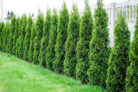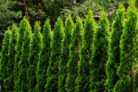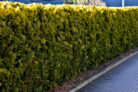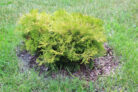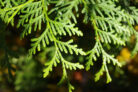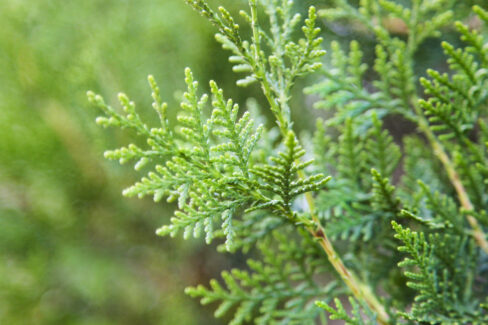
Even though arborvitae (Thuja) is technically a toxic plant, you don’t have to let those trimmings go to waste! You can absolutely shred them and put them to good use around your yard—you just need to take a few safety precautions first. Here’s my guide on how to safely mulch your Thuja clippings.
How Do You Shred Arborvitae?
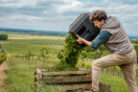
After pruning your arborvitae, you’re usually left with a mountain of branches, especially if you have a long hedge. Because Thuja contains thujone (which is toxic), many gardeners are a little nervous about shredding it. While the biggest risk comes from actually eating the plant, skin contact or breathing in fine dust particles can cause nasty allergic reactions or skin irritation. To stay safe while shredding, keep these tips in mind:
- Pick a calm day with very little wind.
- Wear protection for your skin, eyes, and lungs.
- Only shred healthy plant material.
Staying Safe While Shredding Your Thuja
Follow these steps to gear up before you start the wood chipper. These safety rules are also super important if you plan on burning the debris.
- Wear long sleeves and pants to prevent “Thuja dermatitis” (skin rash).
- Pop on some safety goggles or even sunglasses to keep flying debris out of your eyes.
- Use a dust mask or respirator to protect your lungs from airborne particles.
What Can You Do With Shredded Arborvitae?
Before you start, make sure you’re only using healthy branches. If your hedge has fungal diseases, shredding them will just spread the spores all over your garden and could ruin your hard work. If the branches are healthy, you can use the mulch for:
- Your compost pile
- A protective mulch layer
You can definitely add arborvitae to your compost without worry. Since it’s quite acidic, it’s best to mix it well with your other green waste. The toxic oils break down naturally over time during the composting process. Just to be safe, keep your compost pile covered so kids or pets don’t get into the fresh clippings while they’re still potent.
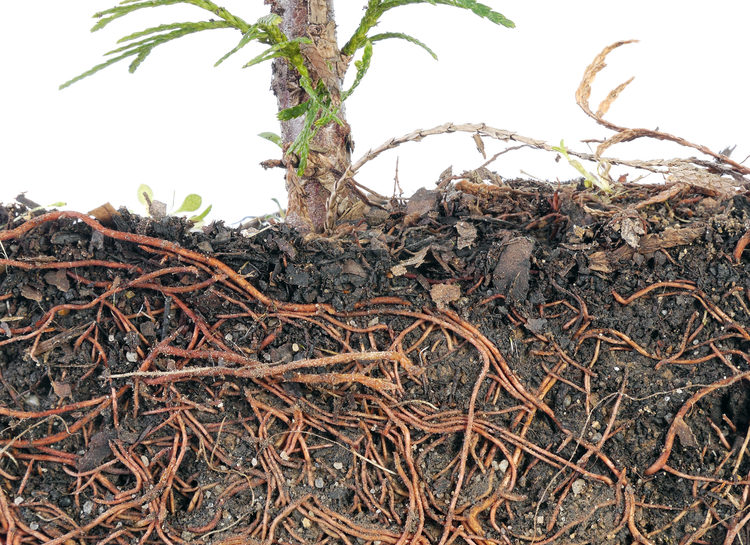
Using the shredded remains as mulch directly under your arborvitae hedge is actually a great move! Mulch helps keep the soil moist during those hot summer months and does a fantastic job of suppressing weeds. Plus, as it breaks down, it acts as a slow-release fertilizer for your trees.