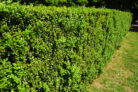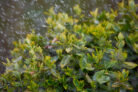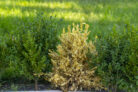
When we talk about frost damage, most people picture frozen branches snapping off. But for boxwoods, the real winter struggle isn’t actually the cold itself—it’s thirst. These hardy evergreens have a tough time keeping all those tiny green leaves hydrated when the temperature drops, and sometimes, they just can’t keep up.
It’s All About the Water!
Boxwoods (botanically known as *Buxus*) are evergreens, which means they never stop working. Those countless little leaves are constantly transpiring (basically “breathing” out water vapor), even in the dead of winter. Sure, they lose less water than they would on a scorching July day, but when you add up the surface area of all those leaves, it’s a lot of moisture loss. If the ground freezes solid, the roots are effectively locked out of their water supply, leaving the plant stranded.
How to Spot Winter Drought
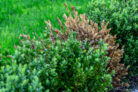
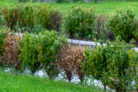
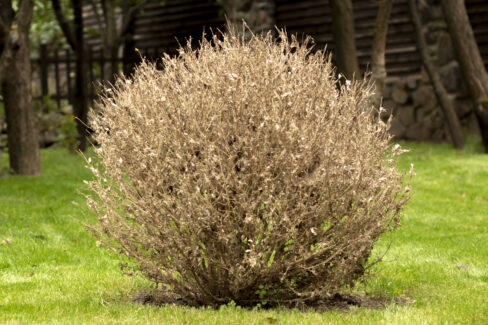
If a deep freeze lasts for a while, your boxwood can suffer from acute dehydration. In severe cases, parts of the shrub—or even the whole plant—can dry out and die. The tricky part? You often won’t see the damage until spring when the new growth is supposed to kick in. That’s when you’ll suddenly notice those dreaded yellow or brown leaves. Once the damage is done, you can’t “un-freeze” those leaves, so the goal shifts to helping the plant recover.
Pro Tip:
Take a close look before you panic. While yellow and brown leaves often mean frost damage, they can also be signs of boxwood blight or a simple nutrient deficiency.
Fixing the Damage and Boosting New Growth
If your boxwood is looking a little rough, don’t give up on it! Here’s how you can nurse it back to its lush, green self:
- Accept that yellow and brown leaves won’t turn green again.
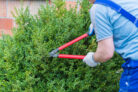
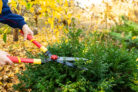
- Prune away the affected leaves and stems.
- This pruning actually stimulates fresh new growth.
- It also helps the boxwood become denser and more compact over time.
- Give it a boost by fertilizing with a good slow-release option.
- A mix of compost, horn meal, and a bit of rock flour works wonders.
Pro Tip:
Don’t be afraid to cut back into the old wood if you have to. It might look a bit “naked” for a while, but boxwoods are resilient—they will sprout back!
Protecting Potted Boxwoods from the Cold
When a boxwood is in a container, it’s much more vulnerable because the cold hits the roots from all sides, not just the top. To keep your potted boxwoods happy through the winter, try these tips:
- Get your protection ready in the fall.
- Wrap the pot in bubble wrap, garden fleece, or burlap to insulate the roots.
- Make sure you can still get to the soil to water it.
- Ensure excess water can drain away so the roots don’t rot.
- Water the plant on frost-free days during the winter.
- Usually, a quick drink once a week is plenty.