Carnivorous plants are definitely the “cool kids” of the botanical world, but let’s be real—they can be a bit high-maintenance. That reputation holds true when you decide to try your hand at DIY propagation, too. While some species are notoriously tricky to multiply, others are surprisingly easy to propagate through simple methods like division.
Growing from Seeds
One way to grow your own carnivorous plants is by starting from seed. Now, keep in mind that these plants usually only bloom when they are living their absolute best life. If you see a flower, give yourself a pat on the back—it means your care routine is spot on! Once the plant has been pollinated and the seed pods start to crack open, you’ll want to harvest those seeds and sow them immediately.
Most carnivores are “light germinators,” meaning they need light to wake up. Just scatter the seeds on the surface of your soil and press them down gently—don’t bury them! Skip the standard potting soil from the big-box store; instead, use a specialized peat-based bog mix or a dedicated carnivorous plant substrate. This gives the tiny seeds exactly what they need to thrive without burning them with too many nutrients.
The golden rule for germination? Never let them dry out. I highly recommend using a covered indoor seed tray or a mini-greenhouse to keep the humidity up. Also, pro-tip: mist the seeds with a spray bottle rather than pouring water on them. This prevents the soil from washing over the seeds and burying them, which would seriously tank your success rate.
Propagating via Cuttings
If you’re a fan of Pitcher Plants (Nepenthes), cuttings are a great way to go. The best part about this method is that you get a genetic clone of your original plant. While you can technically take cuttings year-round, early spring is the sweet spot. This is usually when we’re pruning back plants coming out of winter dormancy anyway. Instead of tossing those trimmings, why not turn them into new plant babies?
Depending on the species, you can take tip cuttings or leaf cuttings. Some varieties even allow for root cuttings, which you can easily snip off while you’re already in the dirt during a repotting session.
Propagation by Division
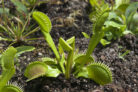
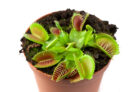
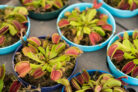
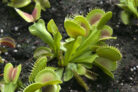
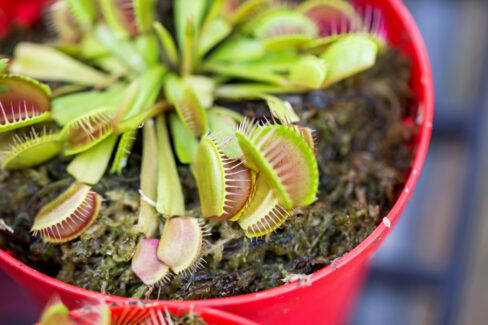
Plants like Butterworts (Pinguicula) or the iconic Venus Flytrap are perfect candidates for division. For example, after a Butterwort finishes blooming, it often produces tiny “brood bulbs” underground. Before you know it, the pot starts looking a little crowded.
Dividing these plants is a win-win: it gives the original plant more breathing room and leaves you with extra plants to share (or keep!). The best time to split these clumps is in the spring when you’re already repotting your carnivorous plants.