Growing peppermint in your backyard or in pots on the patio is the best way to ensure a steady supply of fresh tea all year long. But let’s be real—nothing ruins a harvest faster than a pest infestation.
Common Pests
For the most part, mint is a pretty hardy herb and can handle a few uninvited guests without falling apart. However, if you want high-quality leaves for your kitchen, you’ll want to keep an eye out for these culprits:
- Mint leaf beetles
- Mint aphids
- Leafhoppers
- Green tortoise beetles
- Flea beetles
- Japanese beetles
Mint Leaf Beetles
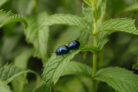
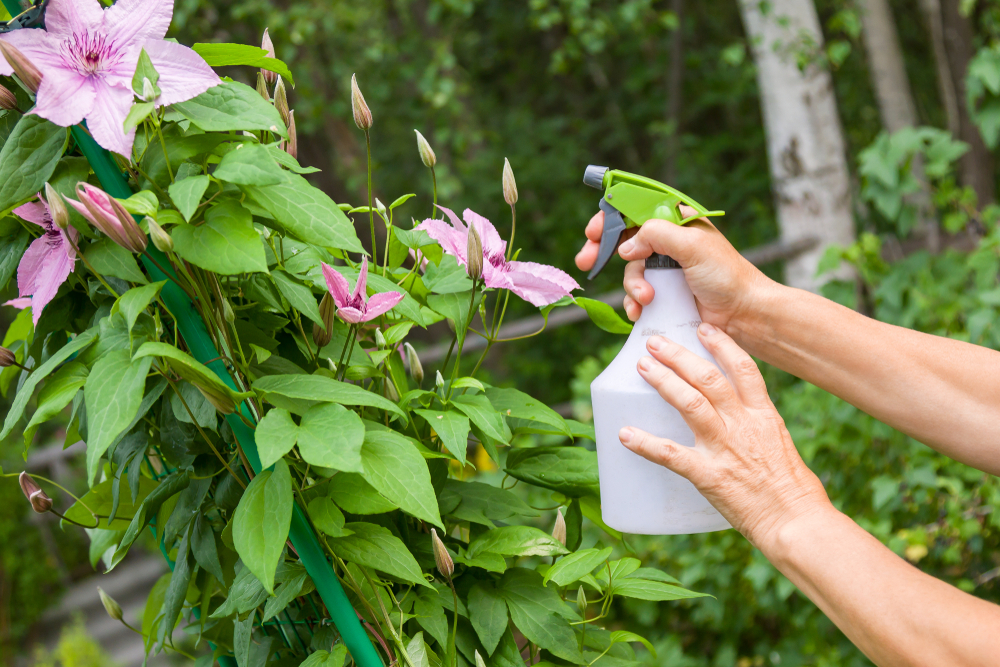
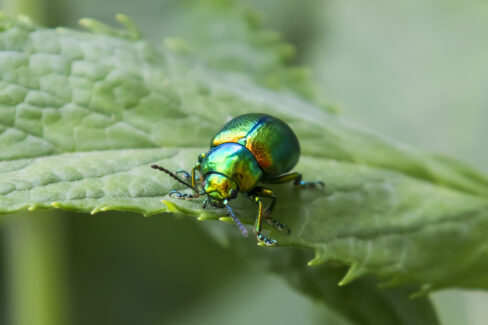
These guys are masters of disguise. Because they’re bright green, they blend right in with the leaves, so you’ll usually notice the holes the larvae chew before you see the beetles themselves. The easiest fix? Just pick them off by hand. If things get out of control, you can use canola oil-based sprays or neem oil. Just a pro-tip: always apply neem products after 10 PM when the bees have gone to bed for the night.
Mint Aphids
These tiny, pale-colored aphids love to hang out on the tender tips of your mint plants to suck out the sap. Not only does this stunt growth, but these pests can also spread plant viruses. If you catch them early, a sharp blast of water from the hose usually does the trick. For bigger infestations, try spraying with stinging nettle tea, a tobacco infusion, or a simple soapy water solution. You can also invite “good bugs” like hoverflies or parasitic wasps to do the dirty work for you.
Leafhoppers
Leafhoppers are another group of sap-suckers. They cause the leaves to thin out, lose their vibrant color, and eventually wither away. Your best bet here is to prune back any infested stems. If the problem persists, it might be worth replacing the whole plant in the fall. Neem oil is also an option here—again, just wait until after 10 PM to protect our pollinator friends.
Green Tortoise Beetles
These green beetles can grow up to about half an inch long and love to lay their eggs right on the mint leaves. Once the larvae hatch, they’ll start munching holes through your crop. The most effective way to deal with them is to head out early in the morning and hand-pick them off the plants.
Flea Beetles
Don’t let the name fool you—these are tiny beetles, not actual fleas. They live in the soil around your peppermint; the larvae snack on the roots while the adults go for the stems. A great organic way to keep them away is to regularly hoe the soil around your plants to disturb their habitat. If they’re still hanging around, neem oil can help clear them out.
Japanese Beetles
Originally from Asia, these beetles can really do a number on a mint patch. You can spot them by their metallic copper wings and the little tufts of white hair along their abdomen. Luckily, nature provides some help: birds, moles, and even mice love to eat the larvae (grubs) living in the soil. You can also use beneficial nematodes, specific bacteria, or fungi to control them. If you only see a few, just hand-pick them and drop them in a bucket of soapy water.