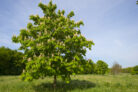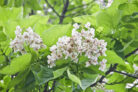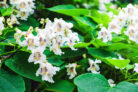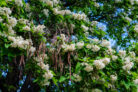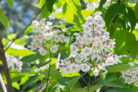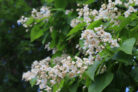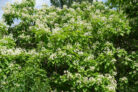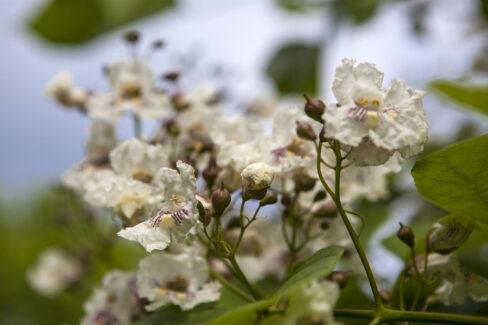
If you’ve got a healthy, happy Catalpa tree (also known as a Southern Catalpa or Cigar Tree) in the right spot, it’s usually a tough customer that stands up well against pests and diseases. However, even the hardiest trees have their bad days. There are a few specific issues you should keep an eye out for to keep your backyard centerpiece looking its best.
Common Health Issues for Catalpa Trees
While there are a few pests that might drop by, there are two main diseases that tend to target Catalpas more than others:
- Gray Mold (Botrytis)
- Verticillium Wilt
Dealing with Gray Mold
You’ll know you’re dealing with Gray Mold if you see the tips of young, new shoots starting to wither and die off. As it progresses, you’ll notice a fuzzy gray or black fungal growth appearing on the affected areas. This usually pops up during those extra humid, rainy summers. The good news? A quick treatment with a specific fungicide usually clears this right up in no time.
The Danger of Verticillium Wilt
Verticillium Wilt is the one you really need to watch out for—it’s much more serious and can actually kill the entire tree if left unchecked. This fungus lives in the soil and sneaks into the tree through the roots, eventually clogging up the tree’s “plumbing” (the vascular system). Once those pathways are blocked, water and nutrients can’t reach the branches and leaves. Before long, the whole tree can start to decline.
Unfortunately, there isn’t a “magic pill” or spray to cure this one. Your best bet is a radical pruning to try and stop the spread. Cut back all the branches until you see healthy, green wood, and then try transplanting the tree to a fresh location. If the tree continues to wilt even after moving it, it might be time to say goodbye.
An Ounce of Prevention
While you can’t always bubble-wrap your garden against every disease, a strong, vibrant tree is much better at fighting off infections. Keeping your Catalpa happy is your best line of defense! Choosing the perfect planting spot and staying on top of regular maintenance makes a world of difference.
One pro tip: If you’ve dealt with Verticillium Wilt in a specific part of your yard before, don’t plant another Catalpa there. Since the fungus hangs out in the soil for a long time, a repeat performance is almost guaranteed.