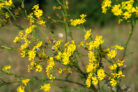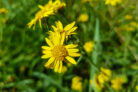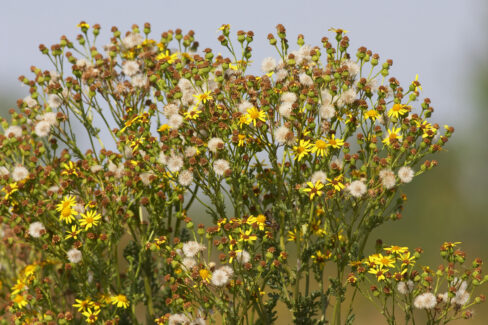
The genus *Senecio*, commonly known as groundsel or ragwort, is a massive family of plants. In most home gardens, you’re likely to run into two main culprits: Tansy Ragwort and Common Groundsel. Both sport pretty yellow flowers, but don’t let those looks fool you—they are toxic. Because these plants spread like wildfire, you’ll want to show them the exit door early before they become dangerous, permanent residents in your yard.
How to Spot Ragwort and Groundsel
The list below gives you a quick cheat sheet on how to identify these plants. Since some look-alikes are tricky, I always recommend double-checking with a color photo before you start pulling.
- Tansy Ragwort can grow up to 4 feet tall.
- Bright yellow flowers appear from June to October in upright clusters.
- Each flower typically has 13 ray petals.
- Leaves grow directly on the stem.
- The foliage looks a bit like arugula, but it’s usually smaller and darker.
- Common Groundsel is much smaller, usually only 4 to 12 inches tall.
- The leaves are lobed and slightly hairy.
- The yellow “button” flowers are enclosed by short green bracts.
- It lacks the long outer petals (ray florets) entirely.
- The seed heads of all species look like little dandelion puffs.
Pro Tip:
Tansy Ragwort is a master of disguise and has several look-alikes. If you enjoy foraging for St. John’s Wort, you need to be 100% sure you can tell the difference so you don’t accidentally pick something toxic!
Why They’re Hard to Get Rid Of
Ragwort poisoning is no joke. It’s dangerous for humans and especially toxic to livestock like horses. The reason you need to jump on it immediately is its incredible ability to multiply. These plants spread aggressively via seeds, but they can also regenerate from tiny pieces of root left in the soil. If you aren’t thorough, they’ll be back before you know it.
Getting Rid of It by Hand
In a private garden setting, reaching for heavy chemicals isn’t the best (or often legal) way to handle these weeds. Mechanical removal is your best bet.
- Stop the seeds from spreading!
- Take action before the plants start to bloom.
- Dig out individual plants one by one.
- Make sure to get the entire root system (they have deep taproots!).
- For larger patches, mow regularly to keep them from seeding.
- Be careful: Ragwort seeds can actually finish ripening even after the plant is cut down.
- Burn the pulled weeds or toss them in your green waste bin—never put them in your home compost pile.
If you’re dealing with a massive infestation that mowing and pulling can’t fix, you might need to go nuclear. After mowing the area down, cover it with heavy-duty weed barrier fabric. After a few months, the ragwort will be gone, though keep in mind this will also kill off any other plants underneath the tarp.