Since we love using those aromatic mint leaves for everything from mojitos to tea, keeping our plants healthy is a top priority. But let’s be real—even the toughest herbs have their bad days. Even though mint is pretty hardy, it can still run into some trouble. There are two (well, technically three) common diseases you’ll likely run into in your garden.
Mint Rust
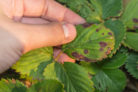
This fungal disease can pop up anytime during the growing season, but it absolutely thrives when the weather is warm and humid. You’ll know you’re dealing with rust if you spot brown spots on the leaves. Sometimes, entire stems will just wither away.
- Skip the harsh chemicals—you want to eat this stuff, after all!
- Cut the affected stems back hard, right down to the ground.
- Leave just one leaf node behind.
- Don’t compost the clippings! Burn them or toss them in the trash so the fungus doesn’t spread.
- Give your mint a boost by watering it with horsetail tea.
- This helps strengthen the new growth coming in.
Pro Tip:
Brown spots can also be a sign of leaf spot disease. The good news? You treat it exactly the same way as rust, so the steps above still apply!
Mildew
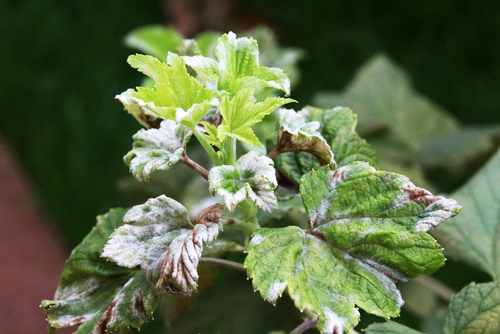
Let’s face it: mildew spores are pretty much everywhere in a home garden. They hide out in the soil and wait for the first warm days of early summer to spread like wildfire. Powdery mildew loves dry weather and covers the tops of leaves, stems, and flowers in a white coating that looks just like flour. Downy mildew, on the other hand, prefers damp weather and shows up as a grayish fuzz on the undersides of the leaves. For our purposes, it doesn’t really matter which one you have—the fix is the same.
- If you catch it early, just prune off the parts that look sick.
- Spray the plant with a mix of milk and water (a 9:1 ratio).
- Use raw or whole milk for this—skim or UHT milk won’t do the trick.
- Alternatively, try a spray made from fresh garlic tea (let it steep for an hour).
- If the plant is totally covered, go ahead and cut the whole thing back to the ground.
Technically, the white coating isn’t toxic, so the mint is still edible. But let’s be honest—nobody really wants to harvest fuzzy leaves, even if powdery mildew does wash off pretty easily.
Preventing Disease
The best offense is a good defense! Here’s how to keep your mint from getting sick in the first place: