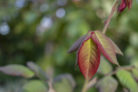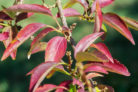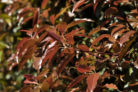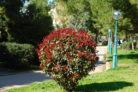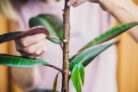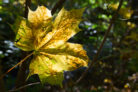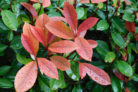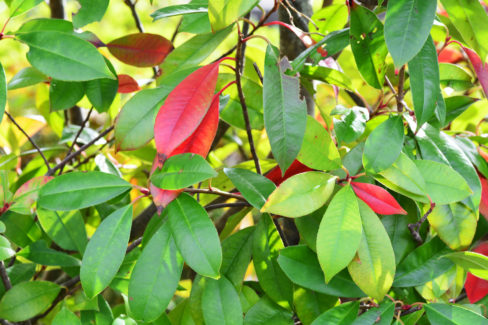
Don’t panic! If you see a few leaves dropping from your Red Tip Photinia, it’s not necessarily a disaster. Just like us, plants need to shed the old to make room for the new. As long as your shrub is putting out fresh growth to replace what’s falling, you’re in good shape. However, if your bush is starting to look a little thin or “naked,” it’s time to play detective.
Why is my Photinia losing its leaves?
There are plenty of reasons why a Photinia might drop its foliage. The most common (and least worrying) reason is simply old age. Even though Photinias are evergreens, they still swap out their old leaves eventually. They just do it gradually throughout the year rather than all at once in the fall, so it’s usually not that noticeable.
The rule of thumb is balance: new growth should keep pace with the shedding. If your Photinia is losing leaves faster than it can grow them—or if those beautiful new red leaves are falling off prematurely—you’ll want to check for care mistakes, pests, or diseases. Sometimes, the fix is as simple as a little extra water or a boost of fertilizer.
Weather can also play a huge role. Depending on the season, keep an eye out for frost damage after a deep freeze, dehydration during a summer dry spell, or “wet feet” (root rot) if you’ve had non-stop rain and poor drainage.
Common culprits for heavy leaf drop:
- Extreme weather conditions
- Care mistakes (thirst or lack of nutrients)
- Damaged root systems
- Diseases
- Pest infestations
How do I handle pests?
If you notice chewed edges, a sticky residue on the leaves, or brown spots, you’ve likely got uninvited guests. The most common troublemakers are vine weevils and aphids. You can usually handle these by picking them off by hand or using an organic neem oil spray. The best defense is a good offense: making sure your plant is in the right location and well-fed will keep it strong. You can also use natural “plant tonics” like nettle tea to boost its immune system.
What about serious diseases?
Most Photinia diseases are manageable if you catch them early. If you spot a fungal infection (like leaf spot, powdery mildew, or apple scab), the best move is to prune away the infected branches immediately. Try to avoid heavy fungicides if you can—they aren’t great for the environment, and good pruning usually does the trick.
The one “scary” diagnosis is Fire Blight. This is a bacterial infection that can spread quickly to nearby fruit trees. While young plants are most at risk, even established Photinias can struggle to survive it. It’s a serious issue that gardeners used to have to report to local authorities because of how easily it spreads.
Quick Tip: As long as your Photinia is sprouting new leaves to replace the old ones and looks generally healthy, don’t sweat the small stuff. A little shedding is just part of the circle of life!