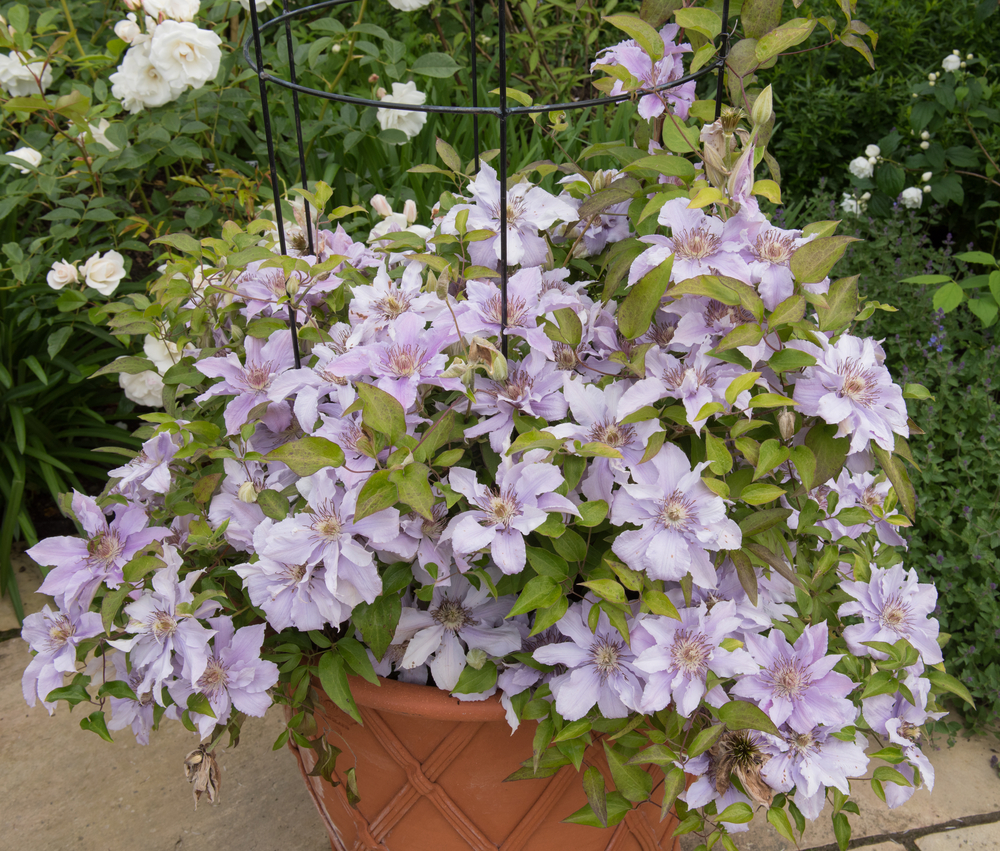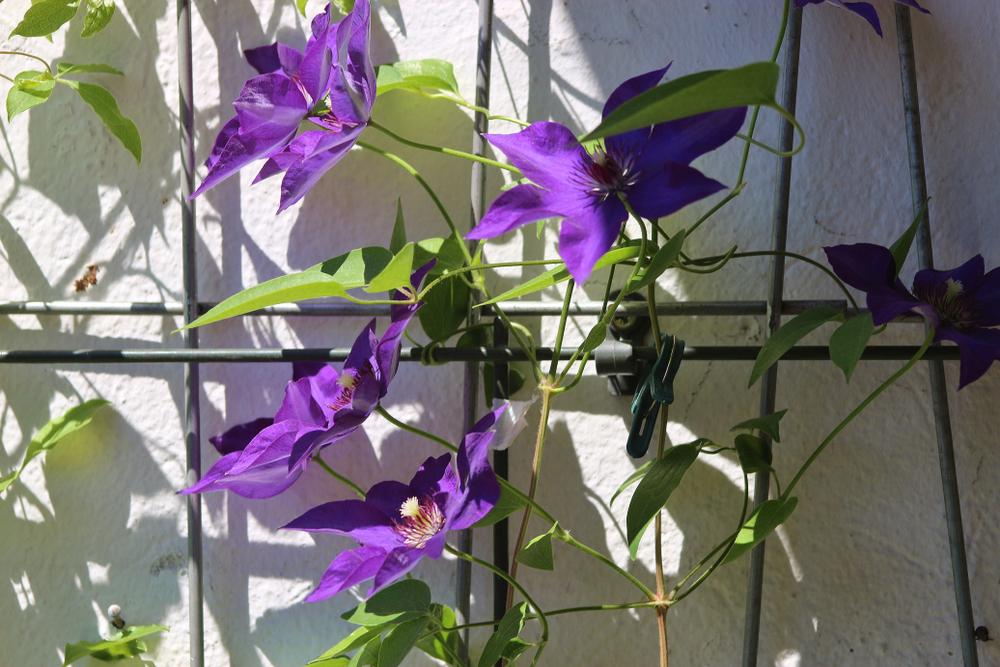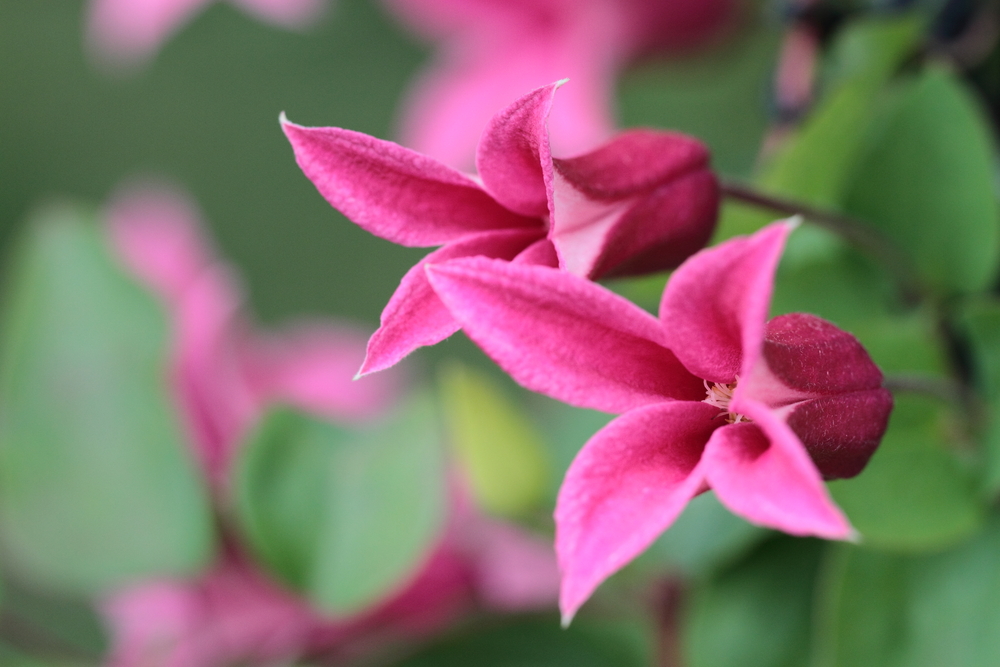
Not everyone is lucky enough to have a sprawling backyard. For many of us, our “outdoor oasis” is a cozy balcony. But here’s the good news: having limited space doesn’t mean you have to miss out on the stunning blooms of a Clematis! Plenty of the 300+ varieties out there actually do quite well in containers. You just need to keep a few key tips in mind to keep them happy.
Choosing the Right Varieties
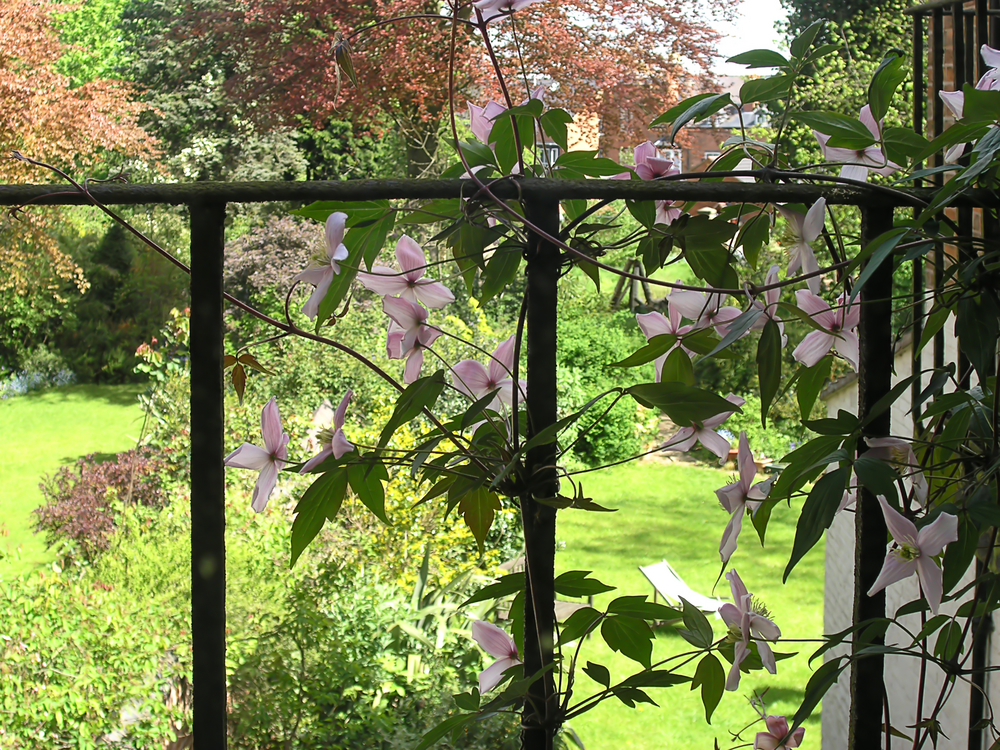
Since Clematis is a climbing plant, some types can get pretty wild and shoot up high into the sky. Those big climbers also have a massive appetite for nutrients. If you’re planting on a balcony rather than a large patio, it’s a smart move to stick with more compact, lower-growing varieties. Some great options include:
- Italian Clematis (Clematis viticella)
- Texas Clematis (Clematis texensis)
- Large-flowered hybrids like ‘Königskind’, ‘Nelly Moser’, or ‘Prince Charles’
What You’ll Need
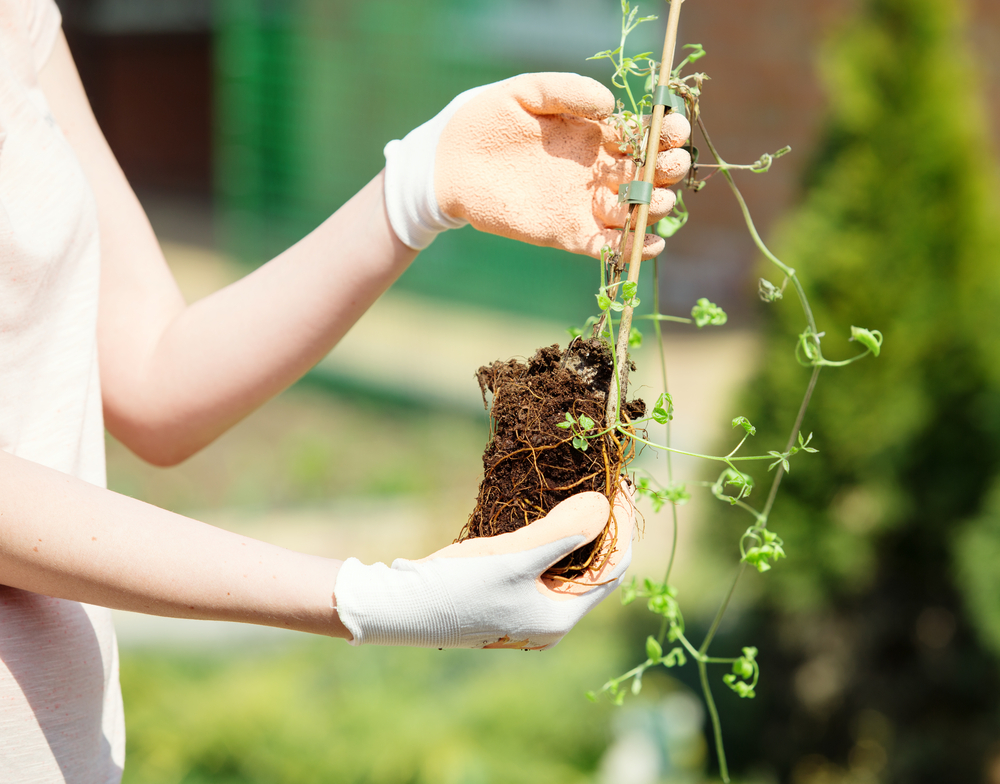
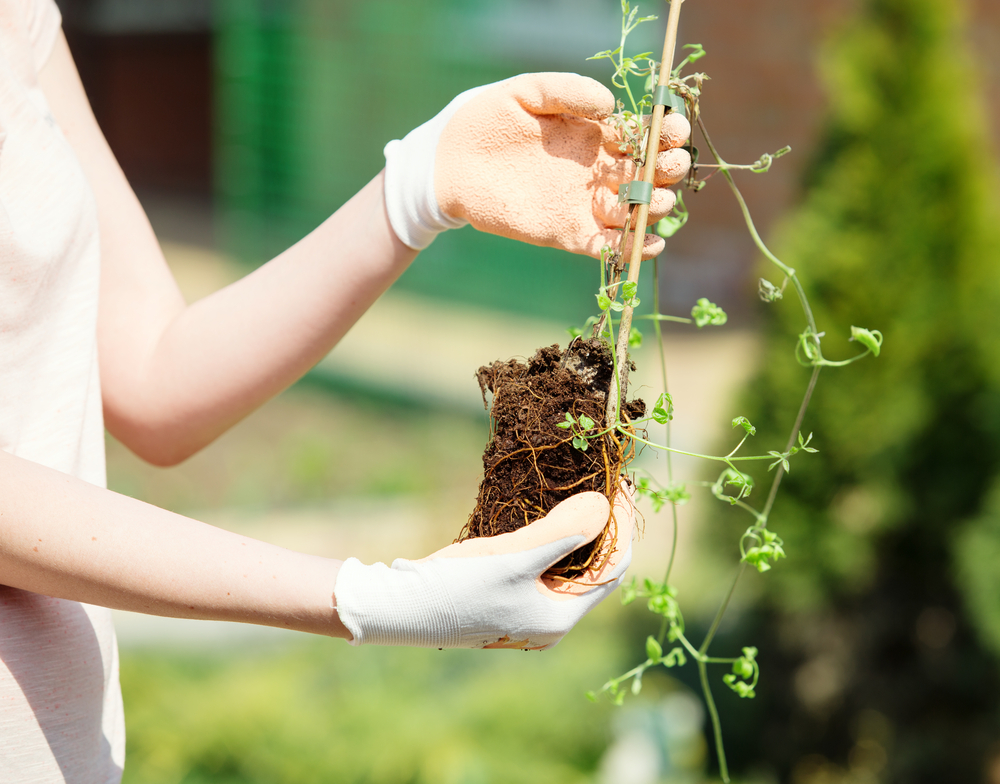
The most important thing for a container-grown Clematis is a pot that gives the roots room to breathe. I recommend a container that holds about 7 to 8 gallons (25–30 liters)—you can even fit up to three plants in a pot that size. To prevent the dreaded “wet feet” (root rot), make sure your pot has drainage holes. I also suggest adding a 2- to 3-inch layer of gravel or crushed stone at the bottom for drainage. And don’t forget: your Clematis needs something to climb on, like a trellis or a decorative grid.
Feeding Your Plants
To get those gorgeous, show-stopping flowers, you need nutrient-rich soil. Start with a high-quality potting mix. Every 3 to 4 years, you should swap out the old soil for fresh stuff. In the meantime, regular fertilizing is the secret to a bloom explosion. You can use a slow-release fertilizer, and then switch to a liquid fertilizer mixed into your watering can right before and during the blooming season. Speaking of water: the goal is to keep the soil consistently moist, but never soggy!
Quick Checklist for Container Clematis:
- A large enough pot (7+ gallons)
- A solid drainage layer at the bottom
- High-quality potting soil
- Consistent watering and regular feeding