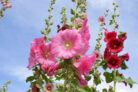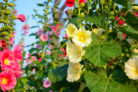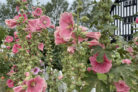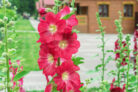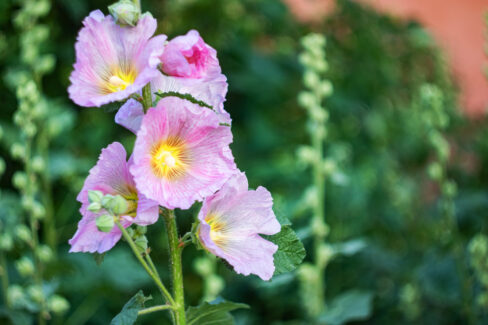
Fungal infections can really take a toll on your garden, and fast. Luckily, they’re usually pretty easy to spot if you know what to look for. If your hollyhocks are looking a little under the weather, you might be dealing with rust. Here’s how to identify the signs and get your plants back on their feet.
How Rust Affects Your Hollyhocks
Unfortunately, hollyhocks are a favorite target for “hollyhock rust.” This disease is caused by a specific type of fungus that hitches a ride on your plant and starts draining its energy. It usually starts in one spot and slowly creeps across the rest of the plant. If it spreads too far and kills off too much tissue, the whole plant can die. But don’t worry—it doesn’t have to come to that!
Spotting a rust infection is actually pretty straightforward. You just need to take a close look at your hollyhock leaves. At first, you’ll notice small yellowish spots on the tops of the leaves. If you flip the leaf over, you’ll see reddish-brown spots or even little pustules on the underside. This reddish color looks exactly like iron rust, which is how the disease got its name.
How to Treat the Infection
The good news is that you can save a hollyhock from rust! The key is to act fast and be consistent about pruning away any infected areas. To do this right, you’ll need a sharp, clean set of garden shears or loppers.
Here’s your toolkit:
- Sharp pruning shears
- Disinfectant (like rubbing alcohol)
- A yard waste bag
- Gardening gloves
Before you head out to your hollyhock patch, pop on some gloves so you aren’t touching the fungus directly. It’s also a great idea to disinfect your shears first; this ensures you aren’t introducing any new bacteria to the fresh cuts.
Now, go ahead and trim off all the affected leaves and stems, cutting back until you reach the healthy, green parts of the plant. Don’t leave even a single “rusty” spot behind! Once you’re done, put all the clippings into a sealed yard waste bag immediately. Whatever you do, don’t toss them in your compost pile—you want to get those spores out of your garden so they don’t spread!