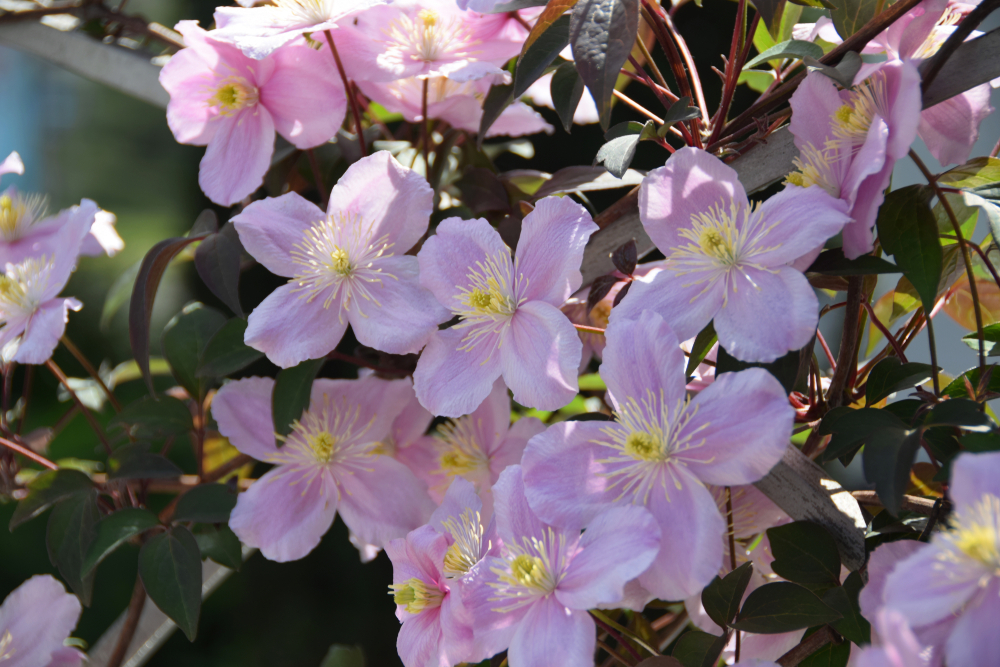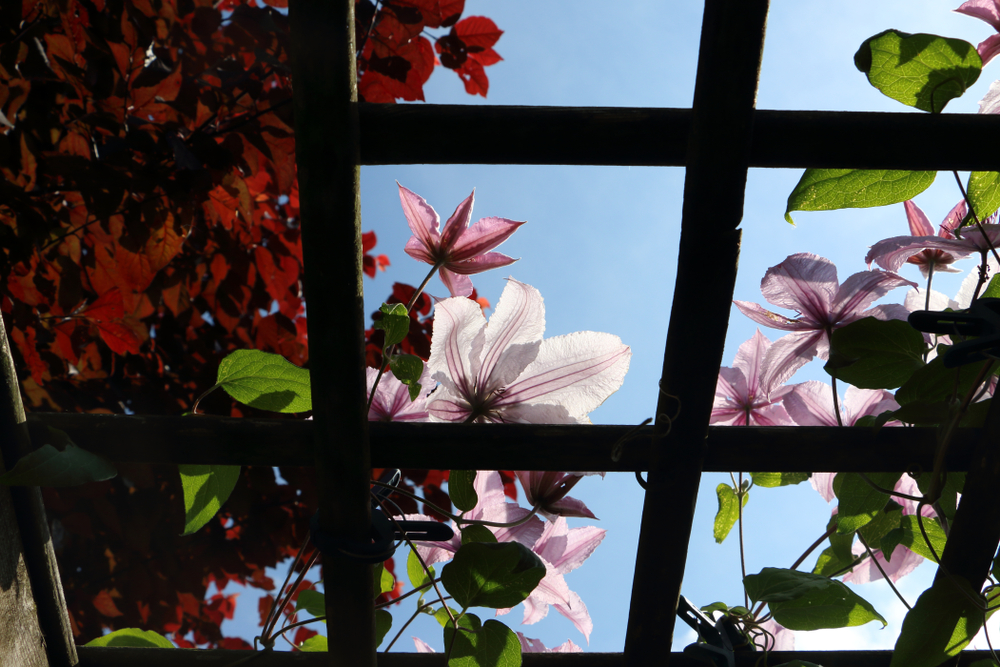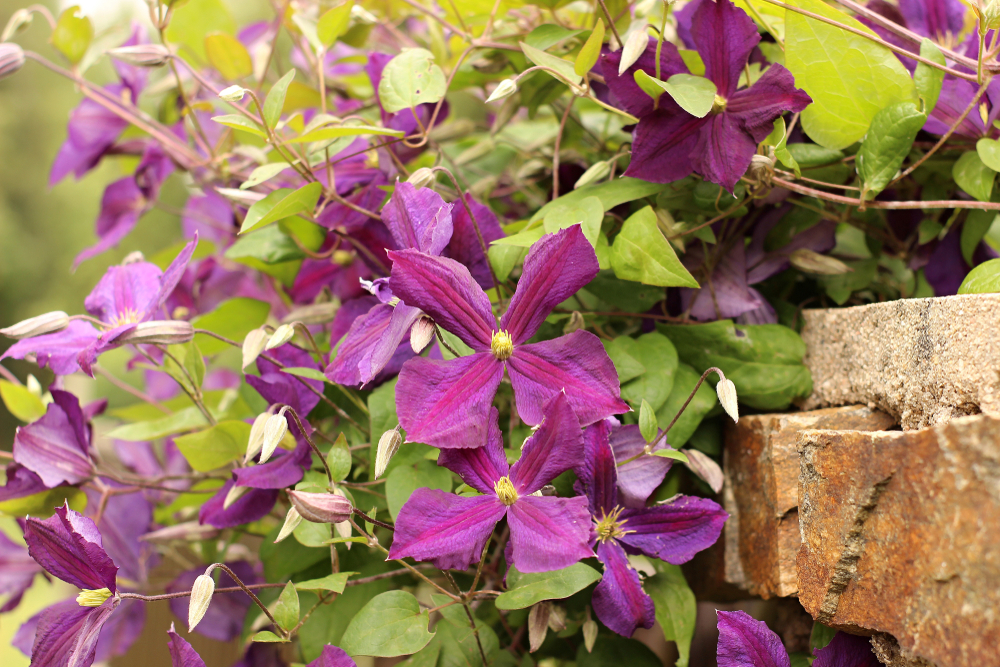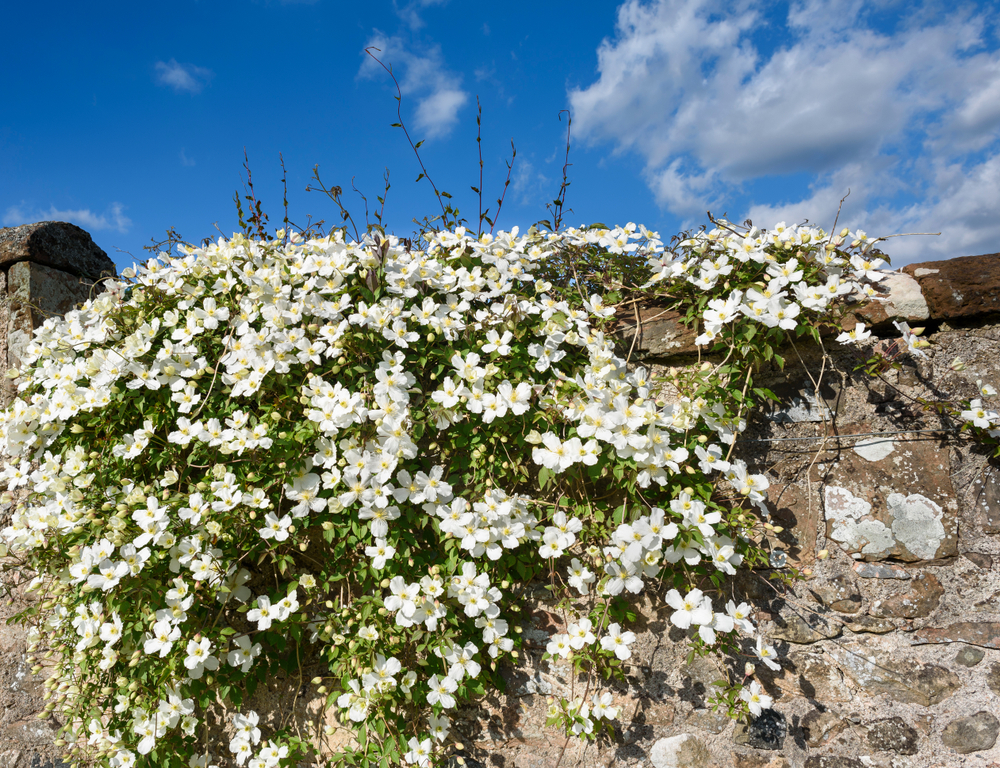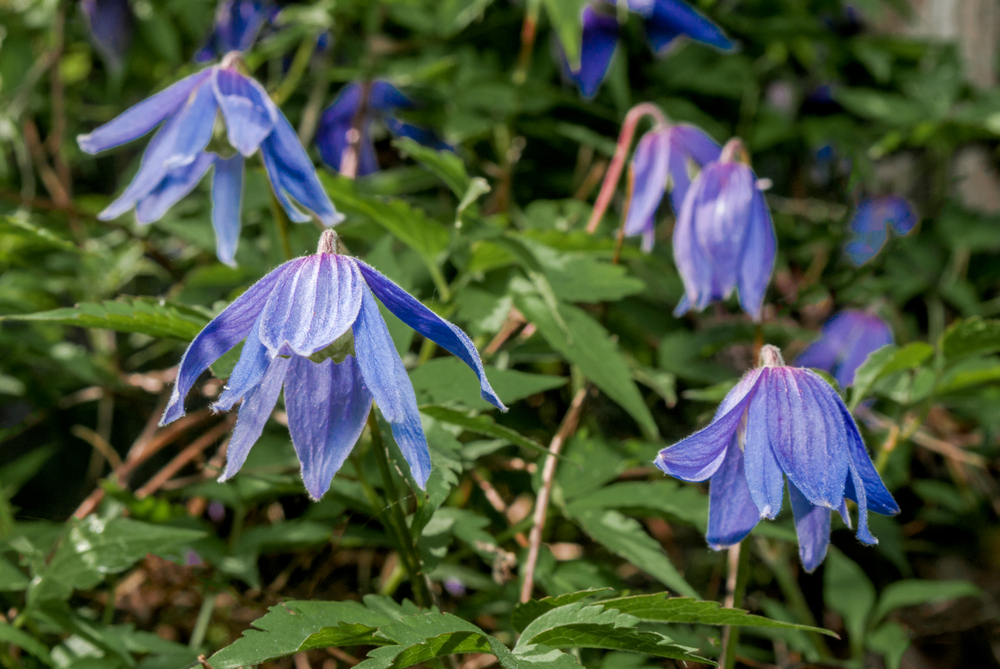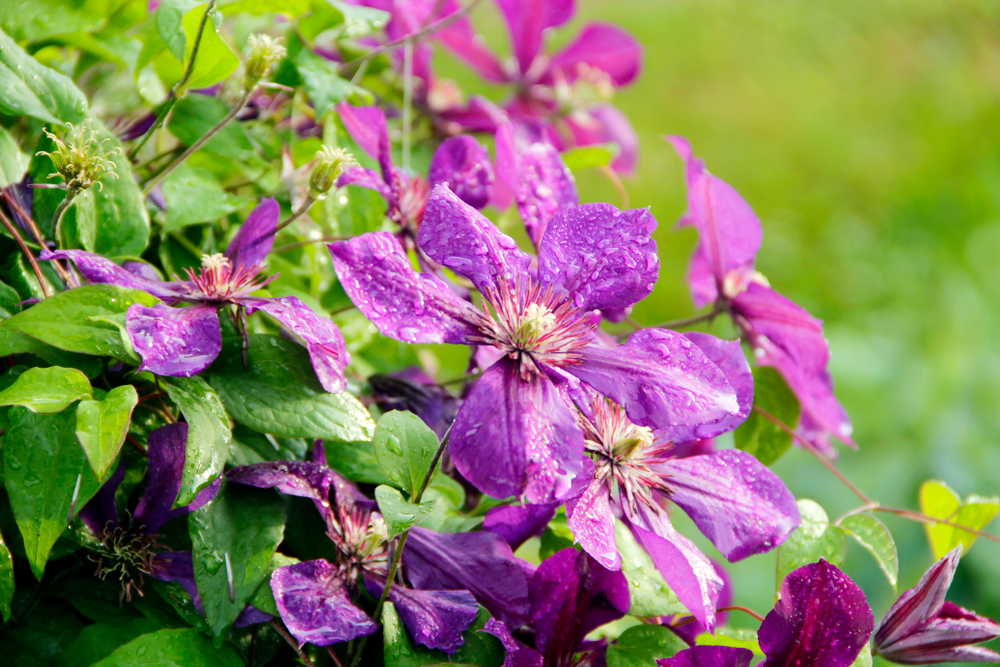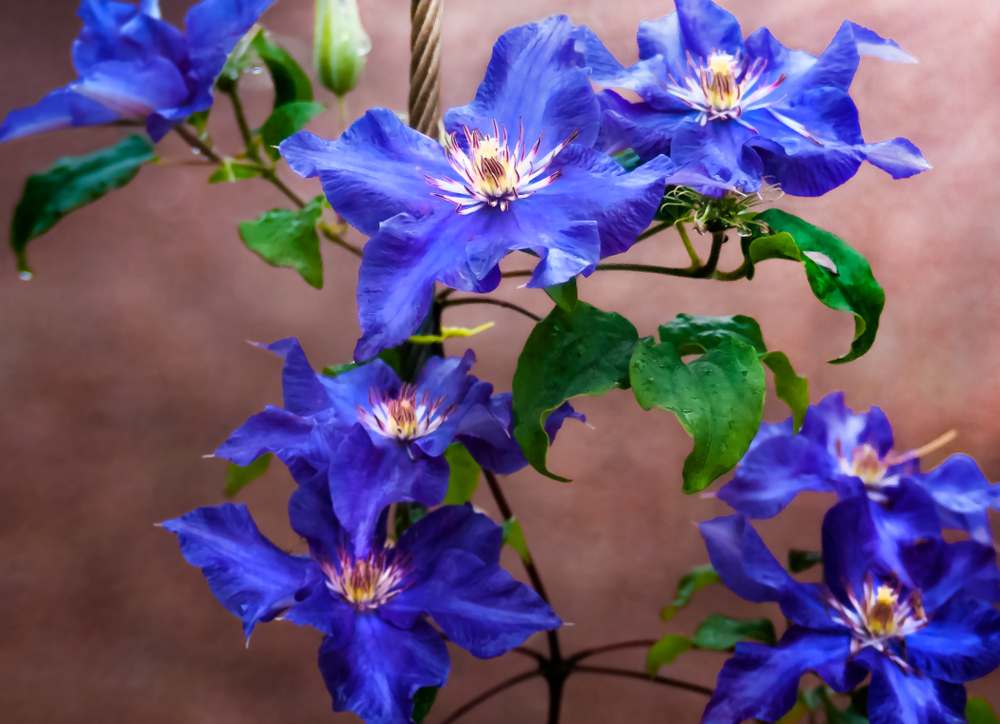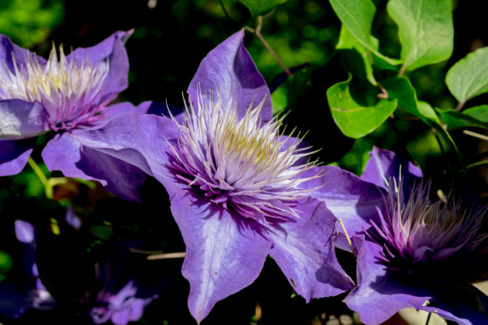
The stunning blooms of the Clematis are definitely a showstopper, but let’s be real—that beauty comes with a bit of a “maintenance fee.” Beyond needing nutrient-rich soil, these climbers are pretty picky about their lighting. If you want your Clematis to thrive, you’ve got to be strategic about where you pick its spot in the garden.
How much sun is too much?
When it comes to sunlight, there’s no one-size-fits-all rule for Clematis. Because different varieties originate from all over the globe, they’ve adapted to all sorts of climates. Believe it or not, sticking your plant in a spot with scorching, all-day sun can actually cause problems. These plants need consistent moisture to grow well, and a baking sun can dry them out way too fast.
The “Cool Feet, Warm Head” Rule
The trickiest part about Clematis is that different parts of the plant want different things. To get those gorgeous flowers, the top of the plant (the “head”) needs plenty of light and warmth. However, the base of the plant (the “feet”) absolutely craves shade.
Think about where they grow in the wild: you’ll usually find them at the edge of a forest or in a clearing. In those spots, the surrounding brush and low-lying plants keep the roots cool and shaded while the vines climb upward toward the sun. Because of this, a spot with partial shade is usually the sweet spot for most varieties.
Choosing the Right Garden Buddies
We don’t all have the “perfect” west-facing, wind-protected wall ready to go. If your Clematis is in a sunnier spot, you’ll need to get creative to protect those roots. The best way to do this is by planting low-growing, spreading perennials around the base.
Hostas, Bellflowers, or Coral Bells are fantastic companions for this. Just a pro-tip: to make sure your Clematis doesn’t have to fight for nutrients, it’s a good idea to use a root barrier (like pond liner or a similar material) underground to keep the companion plants’ roots from tangling with your Clematis.