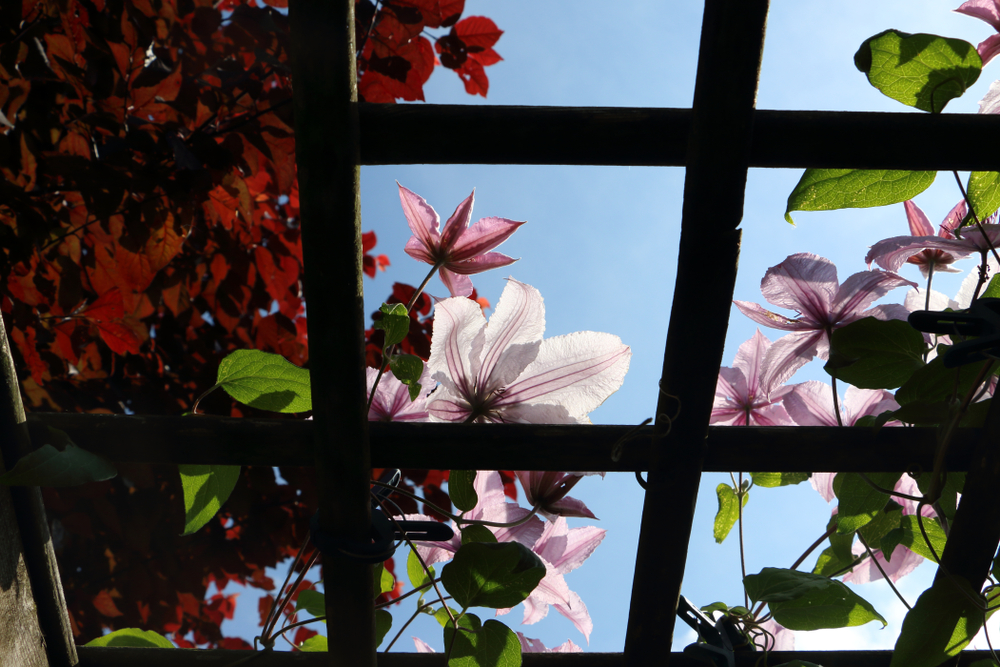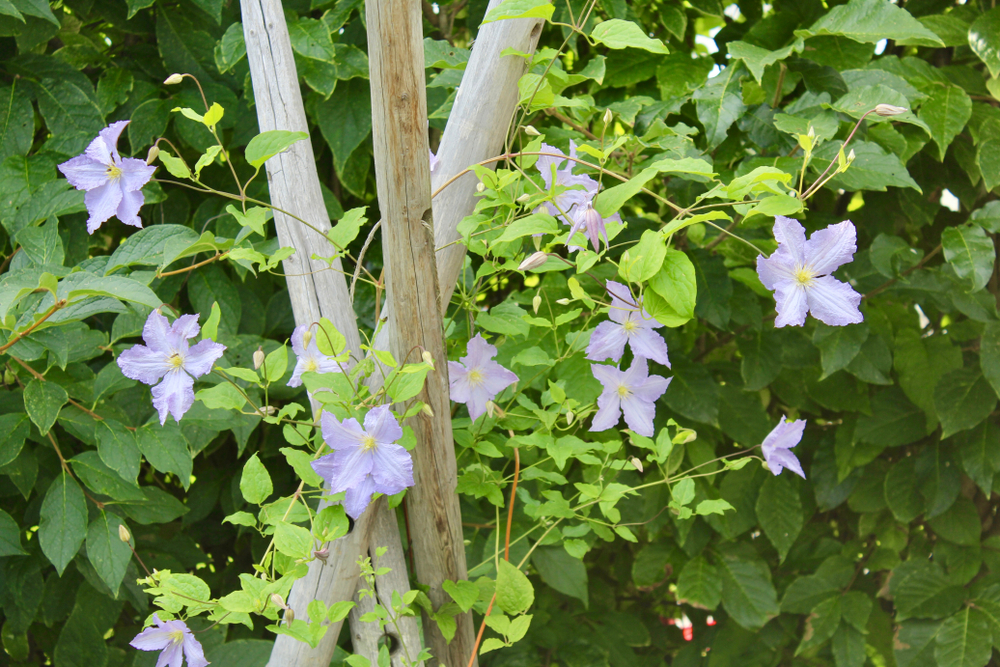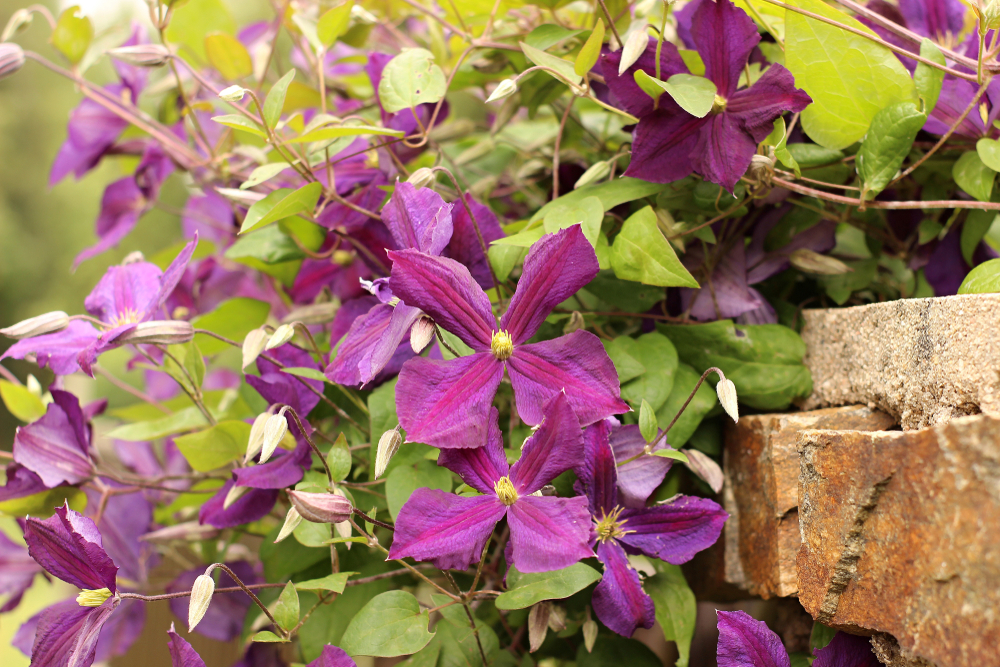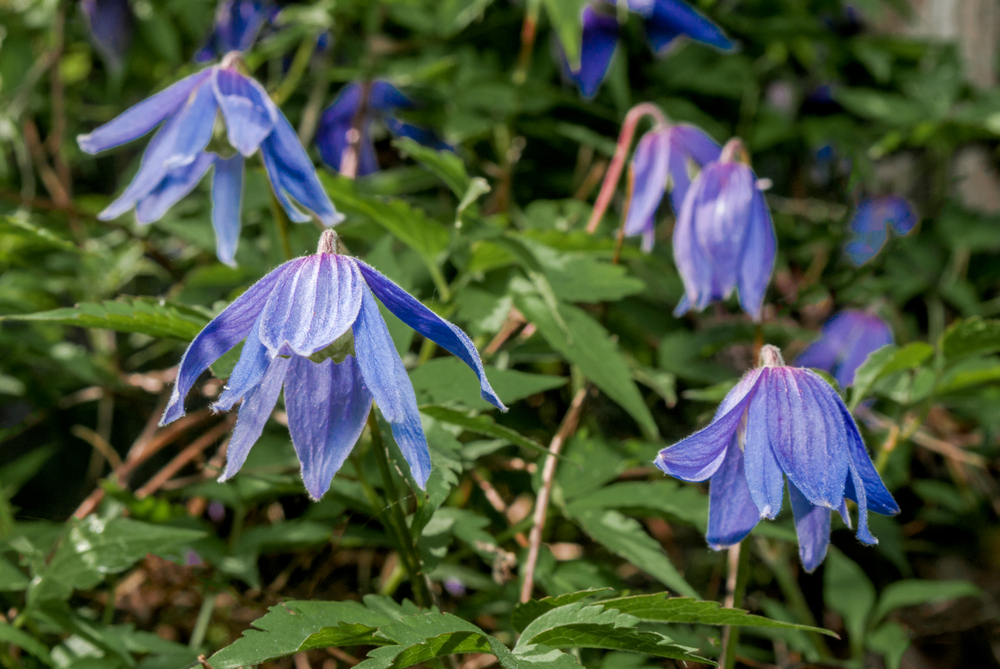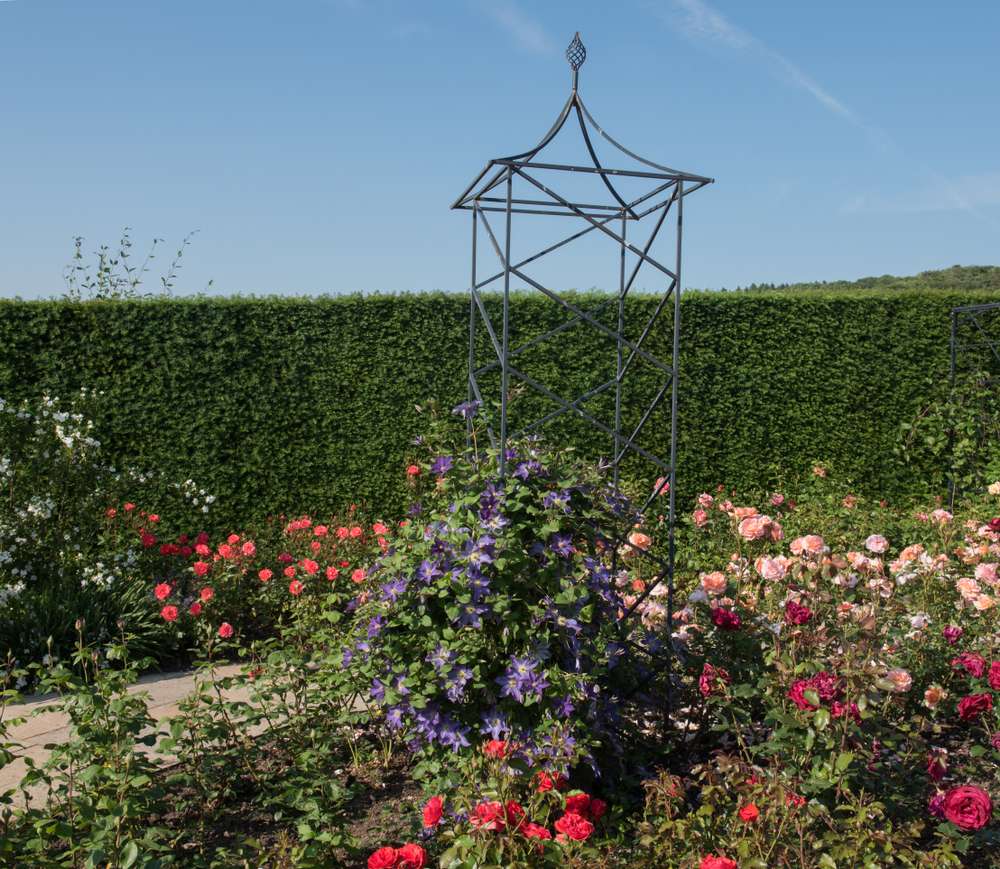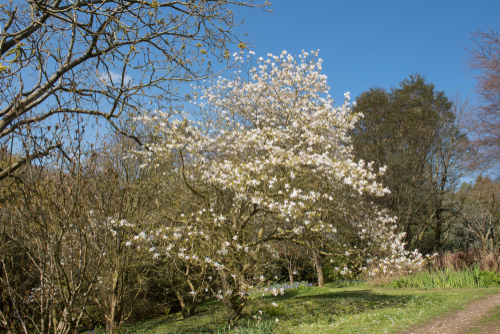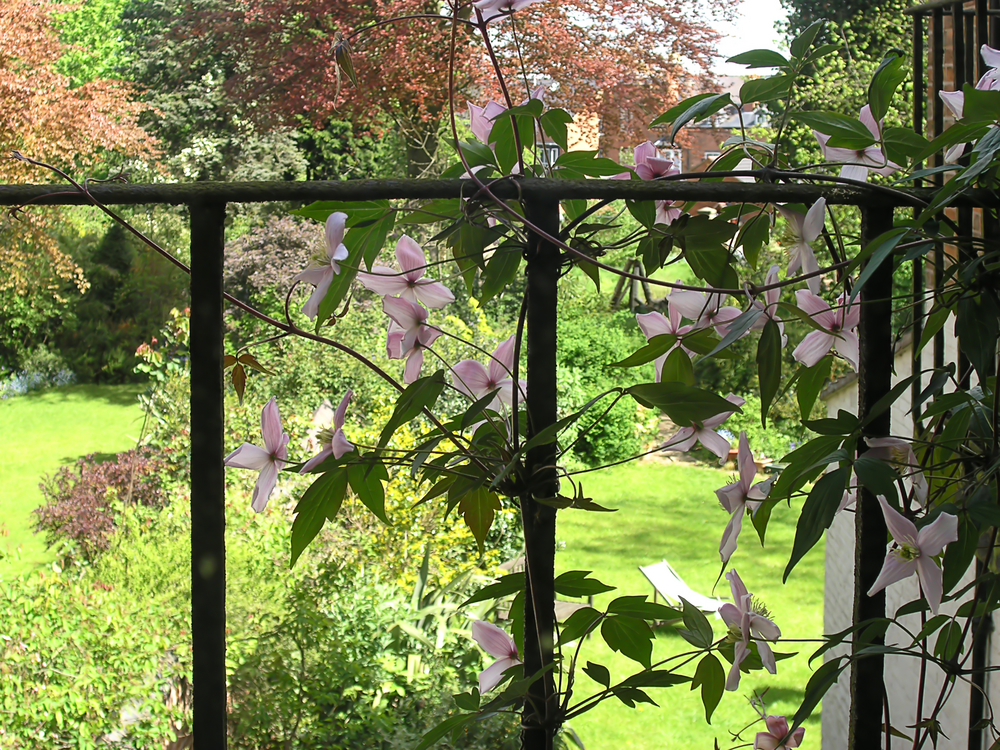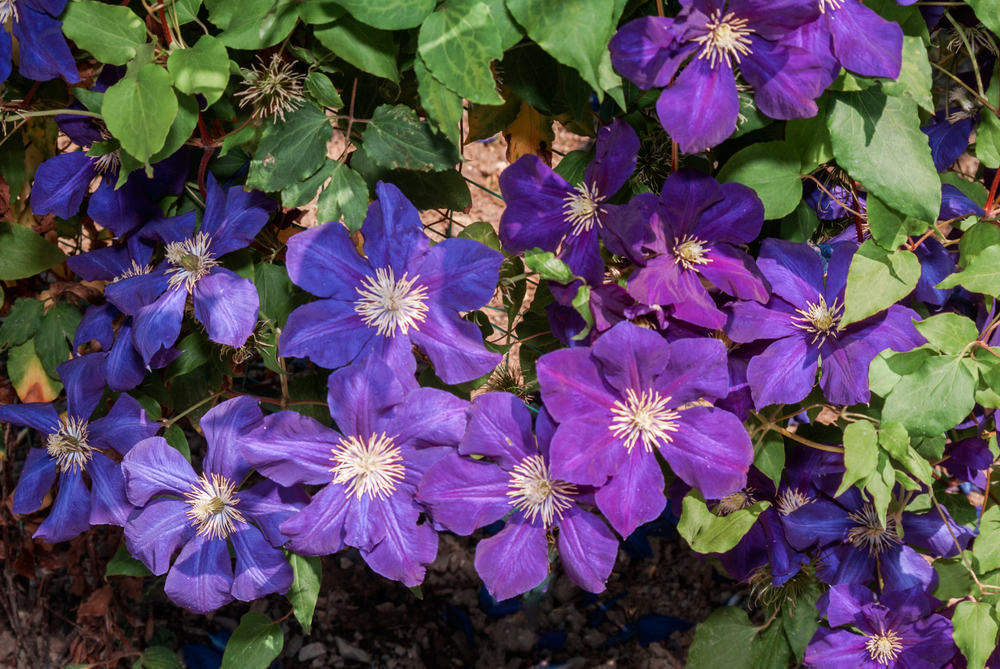
If you want your Clematis to truly thrive, you’ve got to start with the right location. It’s not just about nutrient-rich soil; it’s all about the lighting. Here’s the quirky thing about Clematis: the “head” and the “foot” of the plant actually want totally different things. Keeping these needs in mind when you’re planting is the secret to getting those massive, lush blooms we all love.
A Tale of Two Climates
Think about where Clematis grows in the wild—usually along the edges of forests or in sunny clearings. This means the top of this climbing plant is used to soaking up plenty of sunlight. Meanwhile, the base is tucked away under brush and forest floor vegetation, keeping it cool and shaded. To keep your Clematis happy in your backyard, you’ll want to mimic those exact conditions.
Finding the Sweet Spot: Partial Shade
Even in partial shade, your Clematis will usually get enough sun to produce beautiful flowers. A west-facing wall is often the “Goldilocks” spot for these climbers. You’ll also want to keep an eye on the wind; a sheltered spot that stays out of harsh gusts (especially when it gets chilly) is usually your best bet for a healthy plant.
Keeping it Cool at the Base
While Clematis loves the sun for its blooms, that “cool feet” rule is non-negotiable. If you have a sunny spot, you can create your own shade by using companion plants. Low-growing, spreading perennials like Bellflowers, Hostas, or Coral Bells (Heuchera) work wonders. Just a pro-tip: use a root barrier or some pond liner in the soil to make sure the perennials don’t compete with your Clematis roots for nutrients.
To sum it up, here’s your checklist for a happy Clematis:
- Keep the “head” in the sun and the “foot” in the shade.
- Aim for a west-facing location if possible.
- Use companion plants to provide natural shade for the roots.