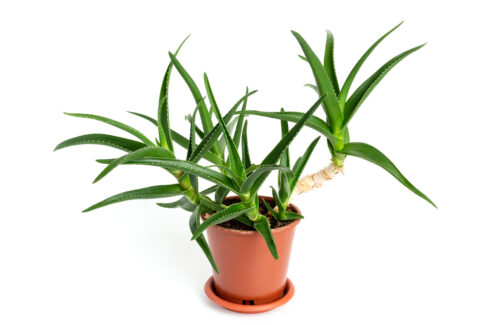
If you’ve noticed weird spots or a strange coating on your Yucca’s leaves, you’re likely dealing with a fungal infection. It’s often hard to pinpoint exactly where these pesky spores came from since they travel easily through the air, but catching the symptoms early is key to saving your plant.
Common Fungal Symptoms
You can usually tell which fungus you’re dealing with just by looking at the color and texture of the spots. Here’s a quick breakdown:
Gray Discoloration
If you see gray patches, you’re likely looking at a *Cytospora* infection. Here is what to watch for:
- It usually starts with gray tips or edges on the leaves.
- Eventually, those gray patches spread across the entire leaf.
Interestingly, one common trigger for this specific fungus is watering your Yucca with water that’s a bit too warm.
Rust-Colored Spots
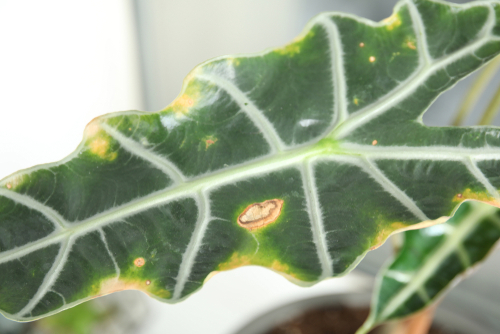
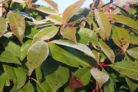
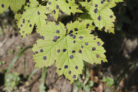
Rusty, reddish-orange spots are typically caused by *Cercospora* fungi. You’ll recognize this infection by these signs:
- It starts as scattered, rust-colored dots.
- Over time, these spots turn brown.
- They eventually merge together, forming large blotches that can grow over two inches wide.
Brown and Yellow Discoloration
The fungus *Coniothyrium concentricum* is the usual suspect here. Since yellowing leaves can sometimes just mean your plant is thirsty or unhappy, look for these specific “red flags” to confirm it’s fungal:
- Yellow and brown spots with a distinct black border.
- The spots often show up on the older, lower leaves first.
- The discoloration eventually takes over the whole leaf.
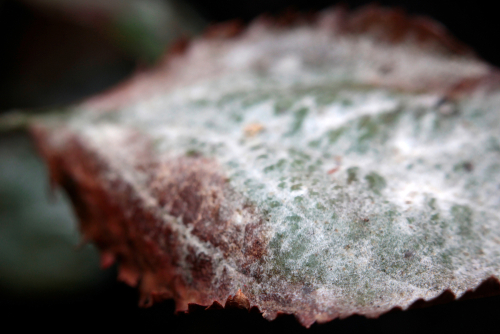
White Powdery Coating
If your Yucca looks like it’s been dusted with flour, that’s Powdery Mildew. A quick way to tell this apart from a mite infestation is to try rubbing it—mildew will easily wipe off with your finger.
Sooty Gray or Black Coating
If the leaves look like they’re covered in soot, you’ve got Sooty Mold. This fungus doesn’t actually “eat” your plant; instead, it grows on the sticky “honeydew” left behind by aphids or scale insects. While the fungus itself isn’t parasitic, that dark layer blocks sunlight, preventing photosynthesis and eventually starving the plant.
How to Treat It
Once a fungus takes hold, it can be a bit stubborn to get rid of. If you catch it early, you can try some natural DIY remedies like horsetail, nettle, or tansy infusions. For Powdery Mildew, a simple mixture of water and milk often does the trick.
However, if the infection has really spread, your best bet is to prune away the affected areas aggressively and treat the plant with a fungicide to stop the spores in their tracks.