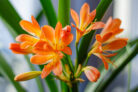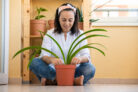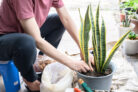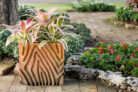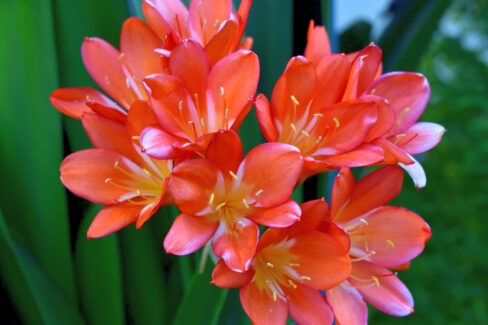
You’ll often hear gardeners talk about “dividing” plants by cutting through the root ball, but let me stop you right there—the Clivia is definitely not a fan of that method! Instead of traditional root division, these beauties produce independent little “pups” (also called offsets or suckers) that you can carefully separate and pot up on their own.
When is the best time to divide a Clivia?
Once the blooming season wraps up, your Clivia will start focusing its energy on growing those pups. Before you get too excited with the garden shears, though, you need to make sure the little guys have developed their own root systems. A good rule of thumb is to wait until the offset is at least 8 inches (20 cm) tall, or roughly half the size of the mother plant.
How do you actually separate Clivia pups?
Before you make your move, make sure your knife or shears are nice and clean. Using a sterilized tool is the best way to prevent any nasty infections from hurting your plants. Carefully slice the pup away from the main plant, being extra mindful not to damage the roots of the baby or the “mama” plant. Pro tip: Dab a little charcoal powder on the cut surface to help it heal and prevent rot.
Next, tuck your new plant into a pot filled with peat-based potting soil or a mix of peat and sand. If you’ve harvested a few pups, give them each their own individual home. This makes things way easier later on when it’s time for repotting, as you won’t have to worry about tangling or breaking those sensitive roots. You won’t need to move them again until you see roots starting to peek out or crowd the pot.
Caring for your new Clivia babies
To help your young Clivias thrive, they’ll need a little consistent TLC:
- Regular watering
- Repotting as they outgrow their space
- A bit of fertilizer as they get bigger
The biggest danger here is root rot. To keep things healthy, only water your Clivia when the top layer of soil feels dry to the touch. If the soil stays too soggy, you might notice an unpleasant smell—that’s a surefire sign the roots are struggling. If that happens, your best bet is to repot the plant into fresh, dry soil and dial back the watering.
As time goes on, your offsets will mature into stunning adult plants. As they grow, they’ll start needing a bit more fertilizer and a proper spot to overwinter to keep them happy for years to come!