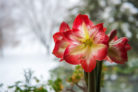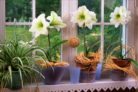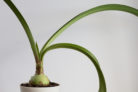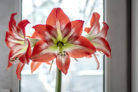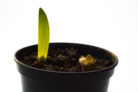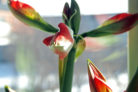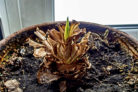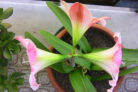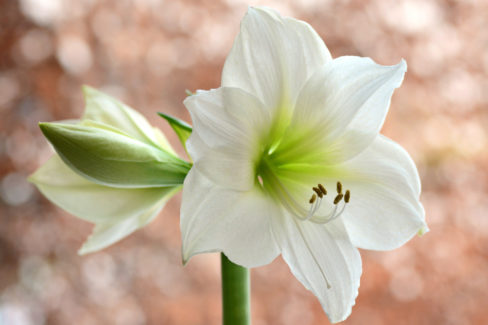
Once your Amaryllis has finished its big winter show, don’t be fooled—there’s still plenty of life left in that bulb! The end of the blooming season actually marks the start of its summer growth phase. You’ll notice a lush crown of green leaves starting to sprout; these are essential for soaking up nutrients and recharging the bulb for next year. With a little TLC, you can keep your Amaryllis thriving through every season.
Caring for Your Amaryllis During the Growth Phase
Starting in May, your subtropical Amaryllis enters its peak growing period. This is the time when a little extra attention goes a long way in keeping the plant healthy and strong.
Here’s how to help your leafy beauty cruise through the summer:
- In May, prune away any withered flowers and the yellowed flower stalks.
- Move your plant to a bright windowsill or a spot on your balcony. Just be sure to avoid harsh, direct midday sun.
- Keep watering regularly and treat your plant to some liquid fertilizer every two weeks.
- Stick to this routine through July.
How to Give Your Amaryllis a Winter Rest
Starting in August, it’s time to wind things down. Gradually reduce the amount of water you provide and stop fertilizing altogether. By September, your Amaryllis will be ready for its “nap” or dormancy phase.
To make sure your plant gets the rest it needs to recharge, follow these steps:
- Cut off any remaining leaves once they have turned yellow and withered.
- Move the bulb to a cool, dark spot (ideally around 57°F or 14°C).
- Stop watering and fertilizing completely during this time.
How to Encourage New Blooms
By November, the rest period is over! Your Amaryllis should be fully refreshed and ready for action. A healthy bulb will likely have a root system that’s completely filled its pot.
Now is the time for these specific care steps:
- Repot your bulb into some fresh, high-quality potting soil.
- Move it back to a bright, warm spot (between 65°F and 72°F).
- Keep the soil slightly moist. This “wakes up” the bulb and signals that it’s time to start pushing out new buds.
- Increase your watering as the stems and buds begin to grow.
- Wait to give the first dose of fertilizer until you see green leaves starting to flourish.
When it comes to watering, the golden rule is to avoid waterlogging at all costs. Soggy soil is a one-way ticket to bulb rot. The best trick? Water into the saucer rather than the top of the pot. Let it sit for about five minutes so the plant can drink its fill, then pour out any excess water.