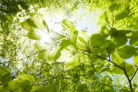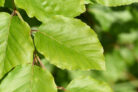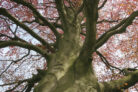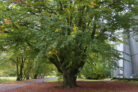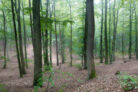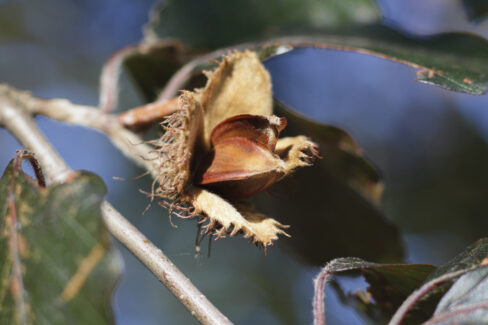
European Beech trees are staples of our forests and parks, and you’ll even spot them in the occasional backyard. Most of the time, they just blend into the landscape—until autumn hits. That’s when they drop a massive carpet of leaves and scatter their signature fruit, the beech nut, all over the ground.
All About Beech Nuts
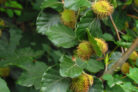
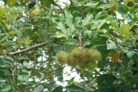
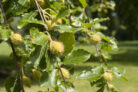
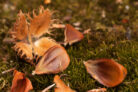
The beech nut is the fruit of the European Beech (*Fagus sylvatica*). Fun fact: a tree usually has to be about 40 years old before it starts producing its first crop! These trees are monoecious, which is just a fancy way of saying that both male and female flowers live on the same tree. The male flowers look like little hanging tassels, while the female flowers are small, upright green capsules. Once the wind does its job and pollinates them, those capsules develop into beech nuts. As they ripen, the spiky outer husk turns woody, and the nuts inside develop a hard shell before falling out. You can easily spot a beech nut by these features:
- Three-sided shape
- Pointed tip, almost like a tiny pyramid
- Rich brown color
- About 3/4 of an inch (2 cm) long
- Usually two (sometimes four) nuts per husk
- Ripens between September and October
- Slightly toxic when raw
How to Use Beech Nuts
First and foremost, beech nuts are a vital “superfood” for forest wildlife. Birds, squirrels, mice, deer, and wild boars all rely on them. Because these nuts are packed with oil, they’re perfect for helping animals bulk up their fat reserves for the winter.
Can humans eat them? Yes, but with a big “proceed with caution” sign. Raw beech nuts contain oxalic acid and a substance called fagin, which makes them slightly toxic. If you eat too many raw, you might deal with:
- Headaches
- Dizziness
- Stomach issues
- Shortness of breath
However, if you roast the nuts, the heat neutralizes the toxins, making them safe to eat—and they actually taste pretty great! Back in the day, people used them as a nutritional supplement during lean times or ground them into flour. That coarse flour was even used as a coffee substitute. If you’re feeling adventurous, try tossing some roasted beech nuts onto a fall salad for a nice crunch.
Growing New Trees from Beech Nuts
Of course, you can always use beech nuts for their original purpose: growing new trees. If you gather nuts from the woods, they’ll need to be “stratified” first. This basically means they need a cold treatment (like a stint in the fridge) to trigger germination. In the wild, they spend the winter on the cold ground under the snow before sprouting in the spring.
If you want to grow a European Beech in your own garden, you can either sow the nuts directly outside in the fall or keep them in a cool, dark place until you’re ready to plant.