The world of edible trees is way bigger than most people realize! Almost every species has something to offer for your kitchen table. When it comes to the Beech tree, there are two specific parts you absolutely have to try at least once. And trust me, once you get a taste, you’ll probably find yourself foraging for them every year.
Which parts of the Beech tree can you eat?
This majestic tree offers three main treats for us to enjoy:
Harvesting and using the leaves
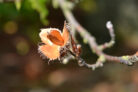
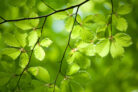
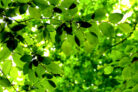
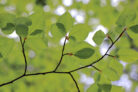
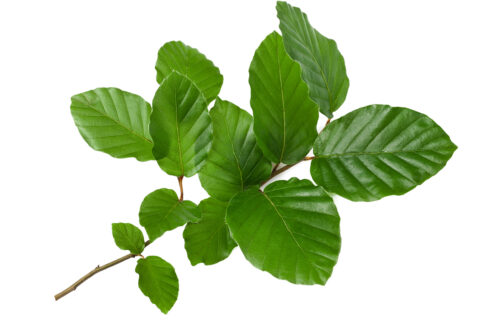
Even though the Beech is covered in leaves from spring through fall, you’ll want to do your harvesting in the early spring. The pale green, fresh new growth that appears alongside the blossoms around late April is incredibly tender. As the leaves age, they get tough and leathery—if you use older ones, you’ll definitely need to chop them up very finely.
Fresh Beech leaves are great raw in a spring salad or tossed into a green smoothie. You can also cook them up just like any other leafy green vegetable. Taste-wise, they have a lovely mild tartness, similar to wood sorrel or sorrel.
Pro Tip:
Beech leaves are actually great for quenching thirst! That’s a handy bit of info to have if you’re out for a forest hike and realize you left your water bottle sitting on the kitchen counter.
When to forage and how to use Beechnuts
Keep in mind that only Beech trees of a certain age will actually produce fruit. These trees are also famous for “mast years”—every five to eight years, they produce a massive bumper crop, with leaner years in between. But since the Beech is such a common deciduous tree, you shouldn’t have much trouble finding some.
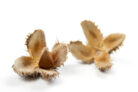
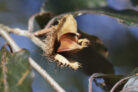
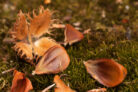
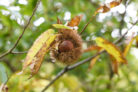
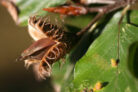
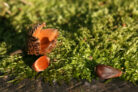
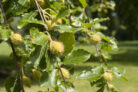
Starting around September, the prickly seed pods fall to the ground, pop open, and release the little triangular nuts. A word of caution: don’t eat too many of them raw. They contain a mildly toxic substance called fagin, which can cause a stomachache if you overdo it. However, once you roast the nuts, that toxin is completely neutralized.
Roasted beechnuts are delicious as a snack or sprinkled over salads. You can even grind them into a flour for cookies and cakes. If you give them a darker roast, they make a pretty decent coffee substitute! They’re also very high in oil, though pressing your own oil at home can be a bit of a project.
Hunting for seedlings
In the spring, the beechnuts that spent the winter on the forest floor begin to sprout. If you enjoy a little scavenger hunt, looking for these tiny seedlings is well worth the effort. They provide tender, healthy, and super flavorful greens for your meals. Just a quick reminder: always forage in locations well away from busy roads or popular dog-walking paths!