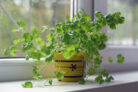
Comfrey is a total game-changer for anyone trying to garden in harmony with nature. Not only is it a powerhouse medicinal herb for healing wounds, but it also makes a nutrient-rich “comfrey tea” fertilizer that your other plants will love. Plus, it’s a blooming machine! If you’re like me, you’ll definitely want more of it in your yard. But what’s the best way to get more?
Two Ways to Multiply Your Comfrey
Sure, you could just head to the nursery and buy a bunch of new starts, but where’s the fun in that? If you want to expand your comfrey patch on a budget, you’ve got two great DIY options:
- Starting from seed
- Root division or root cuttings
Starting Comfrey from Seed
You can harvest seeds from your own plants or pick some up at the garden center. Just a heads-up: comfrey seeds lose their “oomph” pretty fast, so make sure to plant them within a year. While you can start them indoors and transplant them out after the last frost in May, I actually recommend direct sowing. Comfrey grows a long taproot and isn’t a huge fan of being moved once it gets settled. Aim for March/April or a fall planting in September/October.
- Comfrey seeds need darkness to germinate.
- Plant them about 1/2 to 1 inch deep.
- Keep the soil consistently moist.
- Once they sprout leaves, thin them out to about 20 inches apart.
Propagating via Root Cuttings
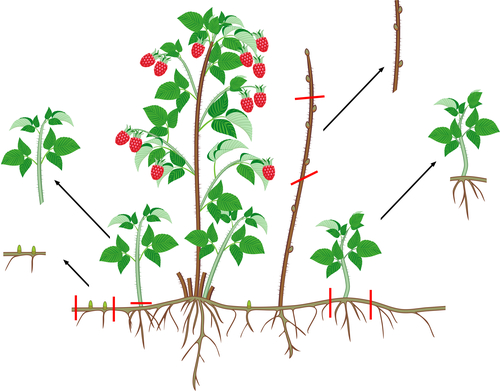
In the spring or fall, you can turn one established comfrey plant into a whole family of new ones. Just dig up the root system and use a sharp spade to split it into two or more sections. Replant those pieces, and you’re good to go! You can also grow entirely new plants from small root cuttings:
- Slice the root ball with a clean, sharp knife.
- Each cutting should be about the size of your thumb.
- Get those root pieces back into the ground immediately.
Pro Tip:
If you have extra root pieces left over, don’t toss them in the compost! You can dry them out and use them later to make your own medicinal tinctures.
The Perfect Spot for Your Comfrey
Whether you’re sowing seeds or planting root chunks, picking the right location is key. If the plant is happy, it’ll produce way more of those beneficial compounds that give it its famous healing properties. Here’s what comfrey is looking for in a home:
- Full sun to partial shade and plenty of warmth.
- Moist or even boggy soil (it actually loves heavy, clay-like dirt).
- Rich soil, especially high in nitrogen.
- A pH level between 6.5 and 7.5.
- Plenty of elbow room—give each plant about 20 inches of space.