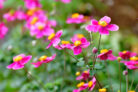
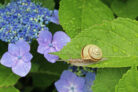
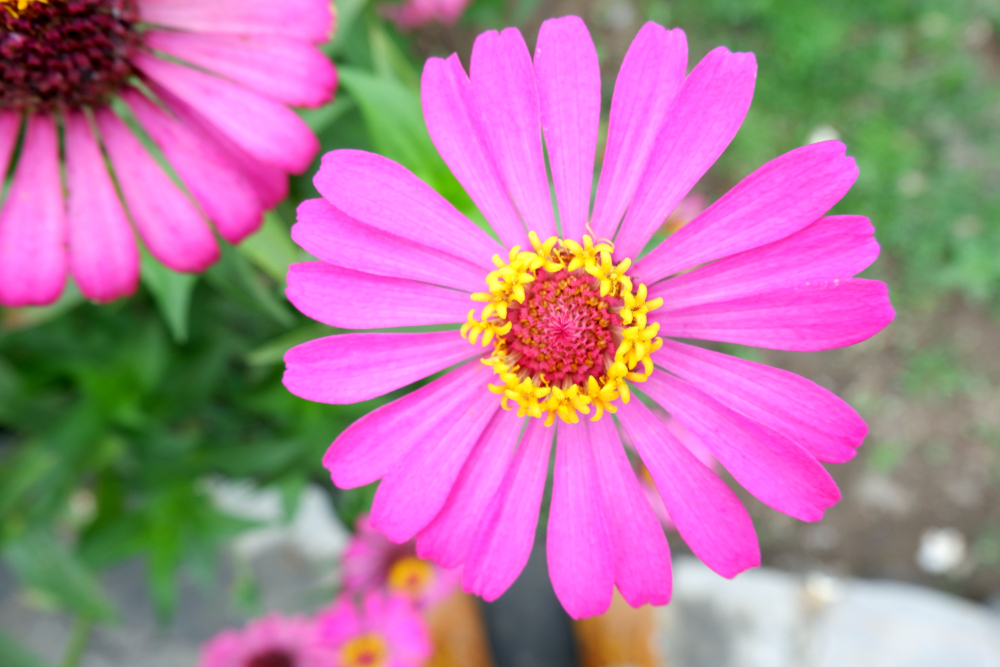
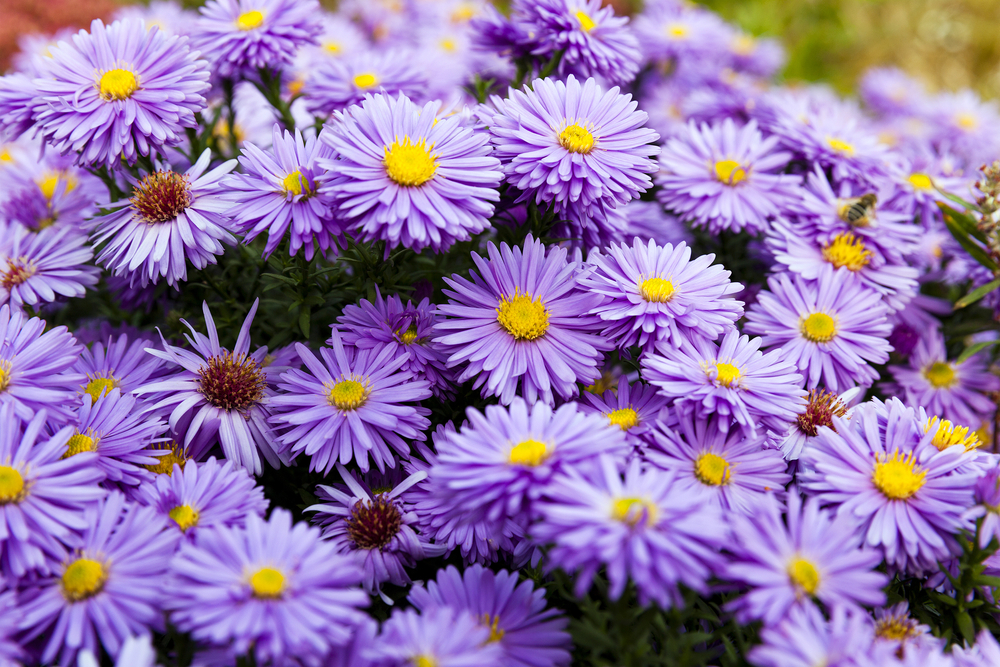
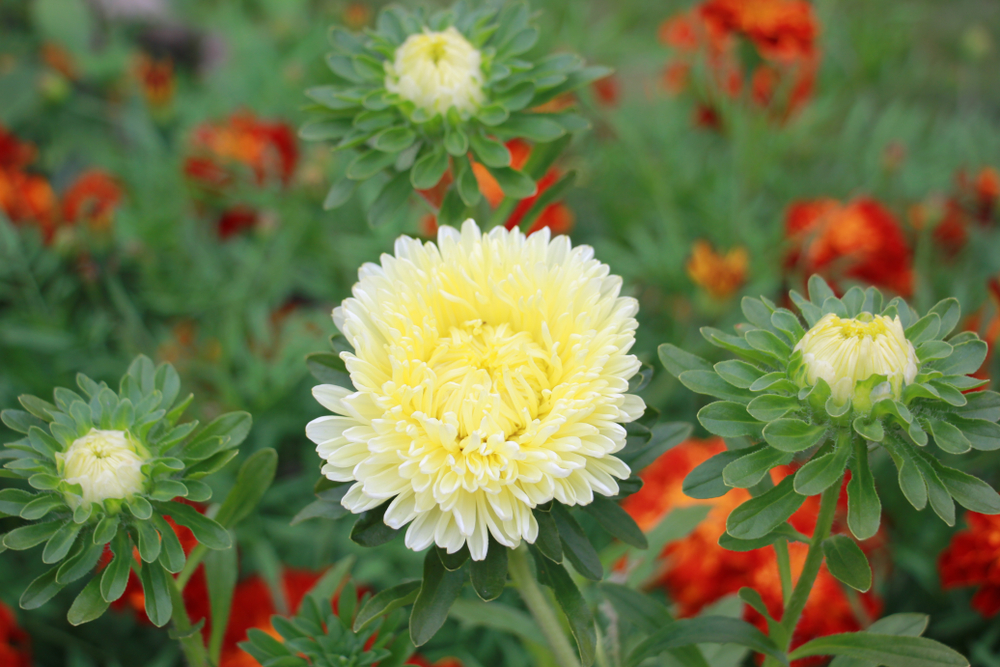
From early spring all the way through late autumn, asters are the absolute stars of the garden. But let’s be real—sometimes that garden joy gets cut short. Just as those fresh green shoots start popping up, the “slimy brigade” arrives. Slugs and snails love asters so much they can strip a beautiful plant down to a bare stem overnight. So, what’s a gardener to do?
Asters: A Five-Star Buffet for Slugs
Slugs have a major sweet tooth for asters. The danger is highest in the spring when the new growth is tender and delicious. Young plants, fresh transplants, and tiny seedlings are especially at risk. It’s heartbreaking to wake up and find your entire patch decimated in a single night! If you want to enjoy those blooms later in the year, you’ve got to have a game plan and take some preventative steps.
How to Tackle the Slug Problem
The “easy” button for many is slug bait (pellets). The slugs eat them, crawl away, and die underground. However, there’s a catch: these pellets don’t discriminate. They also kill beneficial garden residents like the Leopard Slug, which actually hunts the “bad” slugs! Plus, many baits aren’t great for pets or local wildlife. Personally, I prefer skipping the chemicals and sticking to more natural methods.
Fighting Slugs the Natural Way
You can create natural barriers that slugs simply hate crawling over. Try surrounding your plants with:
- Rock dust
- Sand
- Wood ash
- Pine needles
These materials absorb moisture and make it really difficult for slugs to glide across. For the best results, sprinkle your chosen material in a wide circle around the base of your asters.
Other Natural Tricks
Slugs are night owls—they do their best work under the cover of darkness, especially when the ground is damp. A pro tip? Switch your watering schedule to the morning. If the soil surface has dried out by evening, it’s much less inviting for them. You can also outsmart them by picking specific varieties. New England Asters (*Symphyotrichum novae-angliae*), for example, have rough, hairy leaves that slugs find pretty unappetizing.
Another fantastic strategy is “companion planting” with herbs. Slugs can’t stand the strong scents of:
- Thyme
- Lavender
- Oregano
- Onions
- Rosemary
- Garlic
By tucking these herbs into your flower beds, you’re creating a natural “no-slug zone” while also growing fresh ingredients for your kitchen. It’s a win-win!
Even More Ideas for Slug Control
If you’re dealing with a full-on slug invasion, you might need to combine a few different tactics. Every gardener has their favorite go-to move:
- Setting out beer traps (a classic for a reason!)
- Installing slug fences or copper tape
- Going on a “night patrol” with a flashlight to hand-pick them
- Checking their favorite daytime hideouts (under boards, tarps, or pavers) and removing them manually