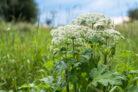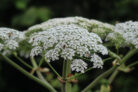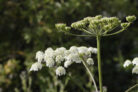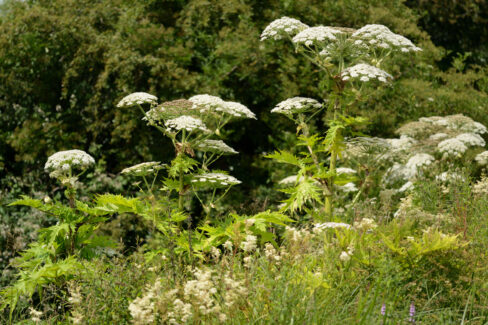
Giant Hogweed (scientifically known as *Heracleum mantegazzianum*) isn’t just impressively huge—it’s also incredibly toxic. That’s the big difference between this beast and its edible cousin, Common Hogweed. Beyond the health risks, there’s another reason people get worried about it: how fast it spreads. As an invasive species, Giant Hogweed loves to take over large areas, completely crowding out our native wildflowers.
Is Giant Hogweed a Reportable Weed?
If you’re an experienced gardener, you might know that certain plant diseases have to be reported to the authorities. But even though Giant Hogweed is dangerous, there’s actually no federal requirement to report it in most areas, just like other poisonous plants. However, that doesn’t mean the experts are just sitting back and doing nothing. Whether or not a government agency steps in to help usually depends on where the plant is found and how much of a risk it poses to the public.
Finding it in Nature or Public Spaces
If you spot Giant Hogweed while you’re out and about in a public park or along a trail, you should definitely give your local parks department or city hall a heads-up. They can send someone out to assess the situation. For example, if it’s growing near a playground, they’ll likely jump into action immediately. Because it’s so massive and unique-looking (it’s often called “Hercules Parsnip”), it naturally draws the curiosity of kids, which can lead to some nasty accidental poisonings.
Finding it in Your Own Backyard
Sometimes, Giant Hogweed finds its way into private gardens, and trust me, it won’t leave on its own! It’ll just keep spreading if you let it. In this case, the city won’t come to the rescue; it’s up to the homeowner to handle the removal or hire a professional. The standard way to deal with it is to cut down the stalks and then dig out the roots at least 6 inches deep. You’ll want to tackle this project before the seeds ripen, otherwise, you’ll just be dealing with a new crop of “monsters” next season.
Pro Tip:
Try to do your weeding on a cloudy day. The sap of this plant reacts with sunlight to cause incredibly painful, blister-like skin burns—so the less sun, the better!
How to Identify Giant Hogweed
A fully grown Giant Hogweed is hard to miss just because of its sheer size. But don’t rely on height alone! When the plants are still young, they can easily be confused with other similar-looking plants. It’s a good idea to do your homework or grab a field guide so you can identify it with confidence. And whatever you do, never get close to it without the right protective gear:
- Long, thick clothing (no skin showing!)
- Closed-toe shoes or boots
- Heavy-duty gloves
- Face protection, including safety goggles with side shields