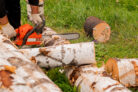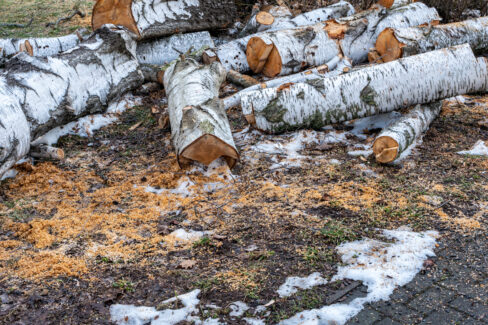
A birch tree is a living, breathing thing—and a gorgeous, useful one at that. In my book, taking one down should always be a last resort. We should only consider it if the tree’s presence in the garden has truly become impossible.
Check the Rules and Get Permission
Is removal really the only way? Maybe the tree is suffering from a fungal infection or was planted in a totally unsuitable spot. Before you make a final call, see if there’s any way to save it. If you’ve made the tough decision that the tree has to go, don’t grab your gear just yet. Trees are protected by law for good reason. Generally, the older and bigger the tree, the more likely you’ll need a permit to remove it. Check with your local city or county office first, as regulations vary depending on where you live.
The Best Timing
If you can’t or don’t want to fell the tree right away, there are other ways to go about it. You could try subjecting it to constant drought stress, but honestly, that can take years. A common forestry technique called “girdling” (or ring-barking) is a great option for home gardens. It usually takes about a year for the tree to fully die off. The best time to start girdling is in midsummer, right after the blooming season.
How to Girdle a Tree: A Step-by-Step Guide
Girdling is definitely a DIY project, but be prepared—it’s a bit of a workout! Follow these steps closely to make sure it works effectively:
- Grab a drawknife, a marking hook (or scraper), and a wire brush.
- You might want to ask a friend for help; it’s physically demanding work and goes faster with two people.
- At about 3 feet (1 meter) up the trunk, strip away a band of bark 2 to 4 inches wide all the way around the tree.
- Use your scraper to get rid of any stubborn bits of bark.
- Carefully scrape away the exposed cambium (that slippery layer under the bark) with your wire brush.
Pro Tip:
Be careful to only remove the cambium layer without hacking into the wood underneath. If you damage the structural wood, the tree can rot prematurely and become a safety hazard, potentially falling over when you least expect it.
What Happens Next?
By girdling the tree, you’re essentially cutting off its food supply. You’ll start to see the birch slowly “starve”:
- Keep a safe distance from the tree as it weakens.
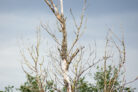
- Individual branches will dry out and begin to fall.
- Eventually, the tree will succumb completely.
- You can let fallen branches rot in place to nourish the soil or haul them away.