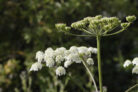
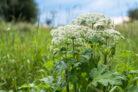
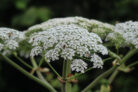
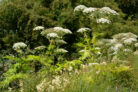
When it comes to Hogweed, we’re really talking about a “Dr. Jekyll and Mr. Hyde” situation. On one hand, you have a wild plant that foragers consider an aromatic delicacy. On the other, you have a dangerous invader that causes severe skin burns and is spreading rapidly across the country. The big question is: how do you tell the difference before you get too close?
The Tale of Two Plants: Common Hogweed vs. Giant Hogweed
Common Hogweed (*Heracleum sphondylium*) is a native species that’s generally harmless. While its sap can cause mild allergic reactions in folks with sensitive skin, it’s not considered dangerous. In fact, many wild food enthusiasts use small amounts of the leaves, buds, seeds, and roots in the kitchen. But—and this is a big “but”—you have to be 100% sure of your ID before you even think about putting it in a pan.
Giant Hogweed (*Heracleum mantegazzianum*), however, is an invasive species that’s a real bully in the garden and the wild. It grows so aggressively that it crowds out almost everything else. More importantly, its sap is phototoxic, meaning it can cause painful third-degree burns when your skin is exposed to sunlight. Knowing how to spot this plant is crucial so you can safely get rid of it. It’s also important not to confuse either of these with other look-alike plants in the carrot family.
Quick Note:
If you spot Giant Hogweed in the wild, you aren’t legally required to report it, but it’s a great idea to notify your local environmental office. They can take steps to remove it and keep the public safe from accidental burns.
Size Matters (Usually)
When dangerous Giant Hogweed is fully grown, it’s pretty easy to spot. It’s a monster of a plant, reaching heights of 10 to 13 feet, while Common Hogweed usually tops out at around 5 feet. This is why Giant Hogweed is often called “Hercules Parsnip.” The tricky part is identifying it when it’s young—before it has a chance to go to seed and spread. At that stage, size won’t help you, so you have to look at the finer details.
Stems and Leaves
Take a look at the stem: Giant Hogweed has a hollow stem covered in distinct purple-red splotches. Common Hogweed also has a hollow stem, but it’s more angular/furrowed and lacks those bright red spots.
The leaves are another giveaway. Giant Hogweed leaves are massive (3 to 10 feet long!), sharply pointed, and hairy on the underside. Common Hogweed leaves are much smaller, grayish-green, and have more rounded, irregular lobes.
Pro Tip:
If you’re planning on removing Giant Hogweed, gear up! Wear long sleeves, gloves, face protection, and goggles. Once you’ve cut the plant and dug up the roots, the best way to dispose of them is by burning them to ensure they don’t grow back.
Spotting the Difference During Bloom
The flowers can also give you some great clues:
- Giant Hogweed blooms only in June and July. Its massive flower heads (umbels) can be 12 to 20 inches across and are white to pale pink.
- Common Hogweed has a longer blooming season, from June all the way to September. Its flower heads are smaller (up to 10 inches across) and range from white to a creamy color.