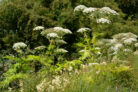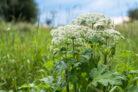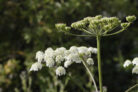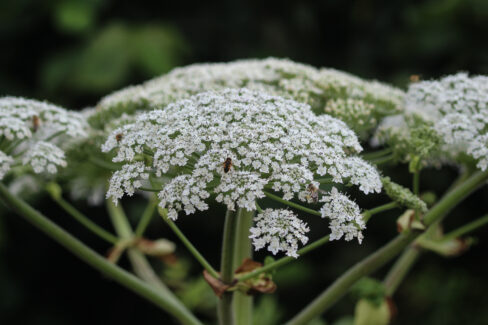
The name “Giant Hogweed” isn’t an exaggeration—this plant is a literal monster. But while its height is impressive, the “giant” part of its name could just as easily refer to the massive danger it poses. This invasive species doesn’t just bully our native plants out of the way; it’s also incredibly toxic. If you spot it on your property, getting rid of it needs to be your top priority.
Act Fast and Time It Right
A single Giant Hogweed (*Heracleum mantegazzianum*), also known as Cartwheel-flower, can pump out up to 50,000 seeds from its massive flower umbrellas. These seeds hitch a ride on the wind or float down waterways to colonize new areas, while plenty of “babies” sprout up right around the mother plant. Taking action quickly is key—ideally before those seeds even form.
Pro tip: Plan your removal for a rainy or overcast day. The sap from Giant Hogweed causes severe, painful skin burns when it reacts with sunlight (phototoxicity).
Safety First:
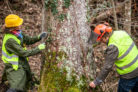
Never get close to this plant without protection. Even a quick brush against your skin is dangerous. Before you head out, suit up with: long, thick clothing, sturdy boots, heavy-duty gloves, and safety goggles with side shields.
Mechanical Removal is the Way to Go
First things first: make sure you can identify the culprit correctly. When it’s still small, Giant Hogweed looks a lot like several look-alike plants. While you aren’t usually required to report a sighting to local authorities, it’s often a good idea. Depending on where it’s growing, local officials might even come out to handle it or give you expert advice.
In backyards or near water, chemical weed killers are usually a no-go. You’re going to need some elbow grease and the right tools:
- Cut down the above-ground stalks using loppers or garden shears.
- Use a spade to cut into the root ball about 6 inches (15 cm) below the surface.
- Lift the root out with a garden fork.
- Cover the remaining root area with black plastic sheeting to “cook” any leftovers.
- Keep a close eye on the area for any new sprouts popping up.
Dealing with Large Infestations
If your yard is being overrun by a whole army of Giant Hogweed, digging them up one by one might be impossible. In this case, focus on stopping the spread. Starting in May, mow the area every 10 days and follow up by tilling the soil about 6 inches deep. Stick to this routine until the end of summer to exhaust the plants.
Safe Disposal is Crucial
All your hard work will go to waste if the plant finds a way to resprout elsewhere. Never put cut stalks, seeds, or roots in your compost pile or green waste bin! If you aren’t allowed to burn yard waste in your area, the safest bet is to bag it up and put it in your regular trash (landfill waste).