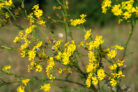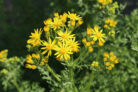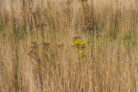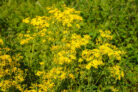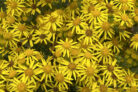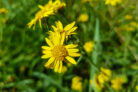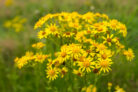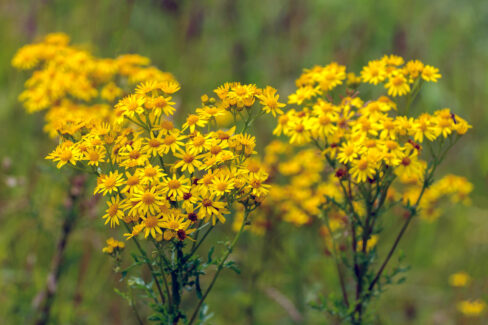
Don’t let those sunny yellow flowers fool you! While Tansy Ragwort (scientifically known as *Jacobaea vulgaris* or *Senecio jacobaea*) might look like a lovely addition to a wildflower meadow, it’s actually a wolf in sheep’s clothing. This plant is packing some serious toxins, and both humans and animals need to keep their distance.
The Toxic Truth About Tansy Ragwort
Tansy Ragwort is highly poisonous in every single part of the plant, but the highest concentrations of toxins are found in the young shoots and the flowers. The culprits here are pyrrolizidine alkaloids. Once these are metabolized by the liver, they turn dangerous, often leading to severe liver damage or even liver cancer. Scientists have also linked these toxins to genetic damage and risks to unborn offspring. It’s a major threat to humans and livestock alike—especially horses and cattle, who might encounter it while grazing or, even worse, find it hidden in their hay.
Symptoms of Poisoning in Humans
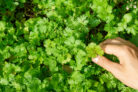
One of the biggest dangers to us gardeners and foragers is that Tansy Ragwort is a master of disguise. It’s easily confused with Common St. John’s Wort, a popular medicinal herb, since they both bloom with similar yellow flowers from late June through August. Even trickier? In its first year, the plant grows as a leafy rosette that looks remarkably like arugula. It’s all too easy for an unsuspecting forager to accidentally toss a few leaves into a salad or tea. While touching the plant usually won’t cause a reaction, eating it is a different story. Stomach issues might pop up shortly after, but the real danger is that liver damage can manifest months or even years later, making it hard to trace back to the plant.
A Major Threat to Horses and Cattle
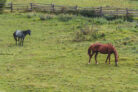
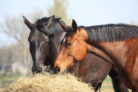
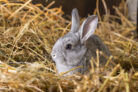
While sheep and goats are somewhat more resistant, horses and cattle are incredibly sensitive to Tansy Ragwort. Unfortunately, there is no cure for either acute or chronic poisoning in these animals. Usually, animals will avoid the bitter taste of the fresh plant in a pasture. However, on neglected or overgrazed land, they might accidentally munch on the low-growing rosettes. The real “silent killer” is dried hay. Once the plant is dried, it loses its bitter warning flavor, but it keeps all of its toxicity. Animals can’t tell it’s there and will eat it right up.
Note:
Hay contaminated with Tansy Ragwort is extremely toxic and should never be used as feed. It needs to be disposed of immediately to keep your animals safe.
Typical Symptoms in Animals
To give you an idea of how potent this stuff is: depending on the size of the horse, just 1.5 to 3 ounces of fresh Tansy Ragwort can be fatal. For cattle, the lethal dose is around 5 ounces. If an animal has been poisoned, they might stop eating and lose weight rapidly. Keep an eye out for these red flags:
- Horses and Cattle: Colic, constipation, or bloody diarrhea.
- Horses: Uncoordinated movement (staggering), sensitivity to light, and signs of liver failure like yellowing of the eyes or even blindness.
- Cattle: A sudden drop in milk production and swinging between extreme nervousness and lethargy.
Quick Tip:
If you spot this or other toxic ragwort species on your property, it’s time to get to work. Try to remove them before they go to seed, as they love to spread far and wide!