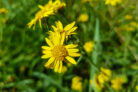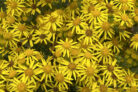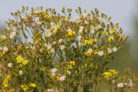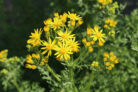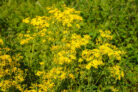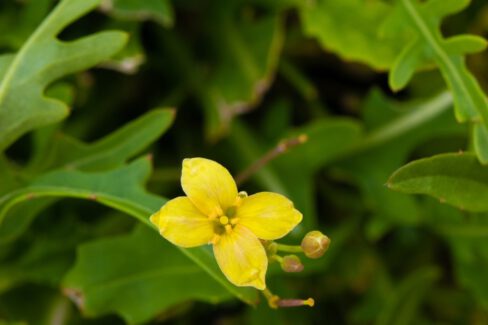
Years ago, a single leaf of common groundsel was found in a container of arugula, and let me tell you, it caused quite a stir! The panic was understandable, though, because groundsel (and its cousin, ragwort) is one of the most toxic plants you’ll find growing in the wild. But before you swear off salads forever, take a deep breath. There’s no need to panic—if you know what to look for, you won’t be fooled by this poisonous imposter.
Where these two species cross paths
In a perfect world, arugula and groundsel should never share a salad bowl. Commercial growers usually do a great job of keeping them separate, often using high-tech machinery to sort the harvest. That famous “leaf in the box” incident was a rare fluke. However, out in the open field—or even in your own backyard garden—it’s a different story. Groundsel loves to seed itself right in the middle of your arugula patch. So, the risk is real, but manageable.
How to identify groundsel like a pro
You can drastically lower the risk of a toxic leaf ending up in your dinner by knowing your plants. It all comes down to paying attention while you’re harvesting and prepping. To avoid an accidental poisoning, get familiar with these key groundsel traits:
- The leaves are generally smaller and darker than arugula.
- The leaf veins aren’t as prominent or “bold” as those on arugula.
- They are often hairy, especially when young (it almost looks like tiny spiderwebs).
- They definitely don’t smell like arugula.
Groundsel completely lacks that signature, peppery scent we love in arugula. If you’re ever unsure, just rub a piece of the leaf between your fingers. The smell (or lack thereof) is usually a dead giveaway.
Controlling groundsel in your garden
The absolute best way to prevent accidental poisoning is to make sure the weed never gets a foothold in your garden to begin with. Don’t hesitate—if you see even one plant, pull it out immediately, roots and all. Groundsel is a prolific self-seeder and can even grow back from small pieces of root left in the soil.
Groundsel in the wild
If you’re an experienced forager, you probably won’t be fooled by Tansy Ragwort or Groundsel. But for beginners or those with just a “surface-level” knowledge of herbs, mix-ups happen easily. In the wild, ragwort is most commonly mistaken for St. John’s Wort, a popular medicinal herb.
Pro Tip:
Hold a leaf up to the light. If you see tiny, translucent dots, you’re looking at St. John’s Wort. Those dots are actually glands filled with essential oils. Also, if you crush a St. John’s Wort leaf, it will usually leave a reddish stain on your skin—groundsel won’t do that!