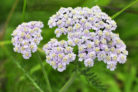
Whether we’re talking about Tansy Ragwort, Common Groundsel, or any other variety, “Ragworts” are bad news. These plants are toxic whether they’re fresh in the garden or dried out in hay. Being able to spot them quickly can save you a lot of trouble, but here’s the catch: they aren’t always easy to identify at a glance. You really have to look closely to make sure you aren’t confusing them with something beneficial.
How to Spot Tansy Ragwort
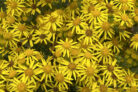
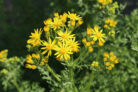
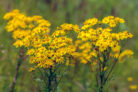
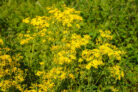
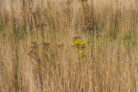
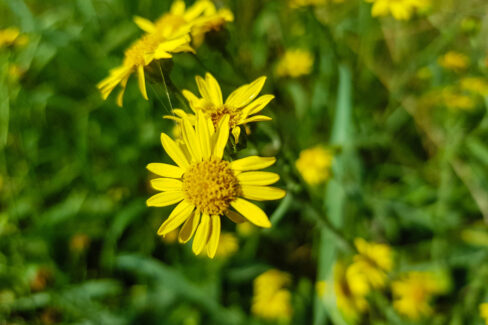
You’ll run into Tansy Ragwort just about everywhere in the wild. During the summer, it’s hard to miss thanks to those bright yellow flower clusters sitting on stems that can reach up to 4 feet high. However, poisoning from this plant is serious for both humans and livestock. Keep an eye out for these specific features:
- Height: 1 to 4 feet tall
- Bloom time: June through October
- Flower heads: Arranged in upright, flat-topped clusters
- Petals: Usually 13 bright yellow ray florets (the “petals”)
- Leaves: Young plants start as low-growing rosettes; older plants have ruffled, feathery leaves attached directly to the stem
Quick Tip:
Be extra careful not to mistake the leaves for arugula! If you look closely, ragwort leaves are darker and smaller than arugula. Plus, they definitely don’t have that signature peppery smell we love in a salad.
Don’t Confuse Ragwort with St. John’s Wort
At first glance, Tansy Ragwort looks a lot like the medicinal herb St. John’s Wort. They’re a similar height and both sport yellow flowers, but mixing them up is a mistake you don’t want to make. St. John’s Wort has only five petals and a bunch of long, bushy stamens in the center. Unlike ragwort, its petals aren’t arranged in a “basket” shape. Also, St. John’s Wort has a shorter blooming season (June to August), a solid stem (ragwort’s is hollow), and leaves covered in tiny translucent dots that look like pinpricks.
Identifying Common Groundsel
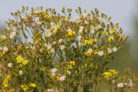
Common Groundsel is the “little cousin” of Tansy Ragwort, usually topping out at about 12 inches. It also has yellow flowers, but they lack those long, daisy-like outer petals. Instead, the flower heads look like little cylinders held by short green bracts. The leaves are feathery and can be slightly hairy. Just like dandelions, both types of ragwort turn into fluffy white seed heads that catch the wind to spread.
How to Get Rid of Ragwort
Because these plants are toxic and spread like wildfire, you’ll want to deal with them immediately. In a home garden, chemical weed killers aren’t usually the best way to go. Your best bet is to dig out individual plants by hand. Make sure you get the entire taproot, because even a tiny piece of root left behind can grow into a brand-new plant! Try to do this before they bloom to stop them from dropping seeds. For larger patches, mow them down regularly or cover the area with landscape fabric for several months to smother them out.