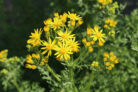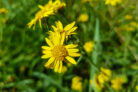
Whether you’re a backyard gardener or a full-time farmer, chances are you’ve crossed paths with Tansy Ragwort. With its bright yellow blooms, it looks pretty enough to be a wildflower, but don’t let those looks fool you—this plant is highly toxic to both humans and animals. If you spot it on your property, you’ll want to get rid of it as soon as possible.
Tansy Ragwort: A Quick Profile
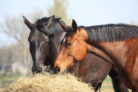
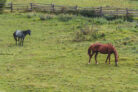
Tansy Ragwort (also known as Stinking Willie in some circles) is commonly found in pastures, along roadsides, and near railroad tracks. It’s particularly dangerous when it pops up in fields used for grazing cattle or horses, or in meadows destined to become hay. The plant contains toxic pyrrolizidine alkaloids that don’t just disappear when the plant is dried. If animals eat it, these toxins build up in the liver over time, which can unfortunately be fatal. These toxins can even find their way into our own food chain through milk.
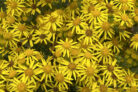
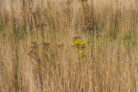
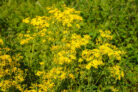
As a homeowner, it’s a good idea to know how to spot Tansy Ragwort (which, while dangerous, isn’t usually a reportable weed in most areas). Here are the key features to look for:
- Blooms from early June through August
- Grows up to 3 feet (100 cm) tall
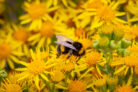
- Features bright yellow, daisy-like flower clusters
- Dark reddish stems near the flower heads
- Thrives in dry, nutrient-poor soil
- Every single part of the plant is highly toxic
How to Get Rid of Tansy Ragwort Naturally
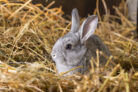
One eco-friendly way to tackle Tansy Ragwort is to let nature do the work. The Cinnabar moth is a natural enemy of this weed; its caterpillars love to munch on the leaves and stems, which helps stop the plant from spreading. You might also get some help from flea beetles or even rabbits, which sometimes feed on the root systems.
If the local wildlife isn’t keeping up, your best bet is to grab a garden fork and dig it out by hand. Make sure you get the entire root system, or it might just grow back. Once you’ve pulled it, seal the plants in a plastic bag and toss them in your regular household trash. While some people put it in the compost, it’s generally safer to keep it out of your garden soil to prevent any seeds or toxins from lingering.
Dealing with a Major Infestation
If your land is completely overrun, you might need to turn to a targeted herbicide to get the situation under control. Just remember: even after the plants have been treated and died off, they are still toxic. Be sure to remove all the dead plant material from your pasture or yard and dispose of it in the trash to keep your pets and livestock safe.